Mechanical Integrity and Integrity Operating Windows (IOW)
We build API RP 584 integrity operating window programmes that prevent the silent pattern where an operating excursion accelerates damage
Mechanical Integrity and Integrity
Operating Windows (IOW)
Mechanical integrity under OSHA PSM 1910.119(j) and the integrity operating window framework codified by API RP 584 address the recurring industry pattern where equipment fails not from physical defect but from operating outside the conditions assumed during corrosion loop and damage mechanism evaluation. The 2014 Tesoro Anacortes high temperature hydrogen attack event was traced in part to undocumented operating drift, and the 2019 Husky Superior HF release similarly cited inadequate operating window governance. API RP 584 defines three tiers. Critical windows are those where an excursion causes rapid damage that requires immediate response, standard windows are those where an excursion accelerates damage and requires engineering review, and informational windows give data quality and trend visibility. Our team integrates the programme with corrosion loop diagrams, API RP 571 damage mechanism review, risk based inspection planning and the operating team daily routine through alarm integration and shift handover protocols. Most refineries and petrochemical plants now run formal programmes, and the chemicals industry is following on an adoption curve.
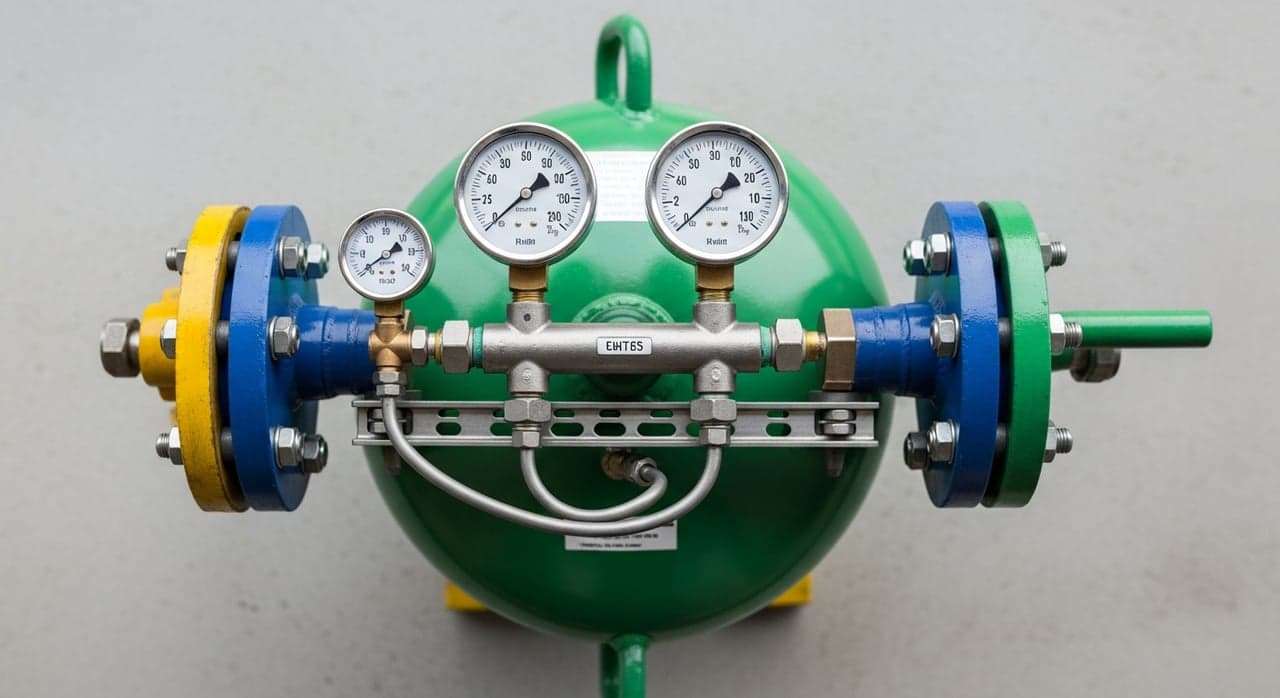
Mechanical Integrity and Integrity Operating Windows (IOW) workflow
Build Mechanical Integrity programme per OSHA PSM 1910.119(j) covering pressure vessels, piping, relief devices, emergency shutdown, controls, pumps, tanks, align with API RP 580 / 581 RBI methodology and ISO 14224 reliability data conventions.
Build equipment register with hierarchy (system, sub system, equipment) and criticality ranking (safety, environmental, operational), align with RBI consequence categories and RCM consequence framework, identify SCE / safety critical assets per UK COMAH SCE register.
Define Integrity Operating Windows per API RP 584, critical (immediate action), standard (engineering review), informational (trend monitoring), specify upper and lower limits per parameter (pressure, temperature, flow, composition, corrosivity).
Design IOW monitoring per DCS historian, pressure, temperature, flow, corrosion coupon / probe, chemistry, specify excursion alarm workflow with operator response, engineering review, and MOC trigger, integrate with PHA assumption set.
Design inspection programme per API 510 (vessels), API 570 (piping), API 653 (tanks), integrate with RBI driven inspection interval optimisation, specify NDE technique per damage mechanism, align with FFS triggering criteria.
Establish MI governance with annual MI audit, monthly inspection KPI review, MOC integration, align with OSHA PSM compliance audit and CCPS RBPS Mechanical Integrity element, document chain of traceability for regulator review.
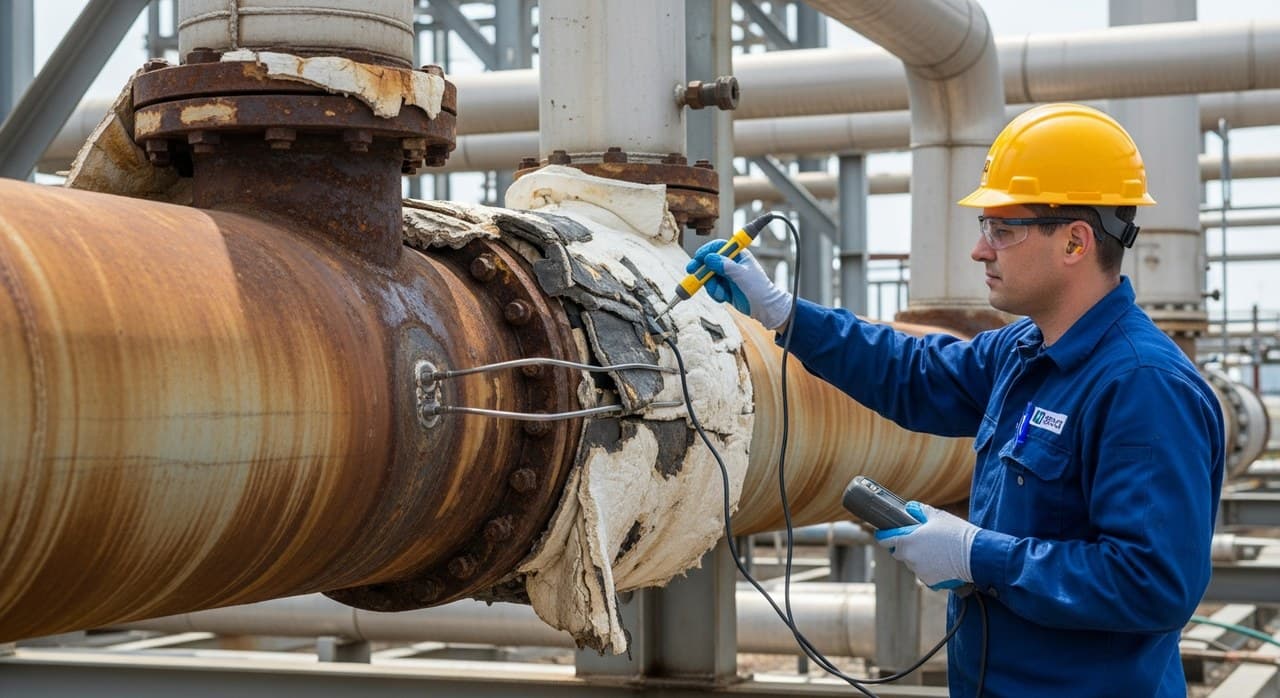
Every deliverable from basis to handover
Complete Mechanical Integrity and Integrity Operating Windows (IOW) scope covering every calculation, drawing, specification, and construction support activity.
Outcomes of Mechanical Integrity and Integrity Operating Windows (IOW)
- We surface the silent operating drift pattern cited in the Tesoro Anacortes and Husky Superior events
- We prevent damage mechanism acceleration outside the design corrosion loop assumptions
- We anchor operator awareness of the parameters that matter to each damage mechanism
- We drive an early warning culture through tiered window classification
- We give you documentation for the OSHA PSM 1910.119(j) mechanical integrity element that withstands scrutiny
- We align with the API RP 584 operating window framework
- We integrate with the API RP 580 risk based inspection re baseline triggers
- We produce records that withstand OSHA NEP refinery and chemical inspection
- We reduce unplanned outages from mechanical integrity failures by thirty to fifty per cent in mature programmes
- We drive operator awareness of the consequences of operating limits
- We sharpen management of change discipline for chemistry, throughput and condition changes
- We build cross function dialogue between operations, inspection and engineering
- We defer equipment replacement through documented run with monitoring
- We optimise inspection scope and frequency
- We reduce unplanned outage cost, which typically runs three to ten times the cost of planned maintenance
- We document ageing asset condition for underwriters to assess
Codes & standards we work to
Triggers that signal the need
Where Mechanical Integrity and Integrity Operating Windows (IOW) applies
Tangible deliverables
- Mechanical integrity scope register per OSHA PSM 1910.119(j)
- Corrosion loop and circuit drawings with chemistry mapping
- Damage mechanism inventory per API RP 571
- Critical, standard and informational window register for each parameter
- Control system alarm integration specification per ISA 18.2
- Excursion management procedure with corrective action workflow
- Risk based inspection integration matrix that links each excursion to a re baseline trigger
- Operating window KPI dashboard
- Annual operating window review and update procedure
Send us the scope
We will scope Mechanical Integrity and Integrity Operating Windows (IOW) against your site and come back with what it would take. Send us the process conditions, the equipment list and the stage the design has reached.