What We Do
Comprehensive process safety and engineering services, from hazard identification to operational excellence.
Industrial Risk Management
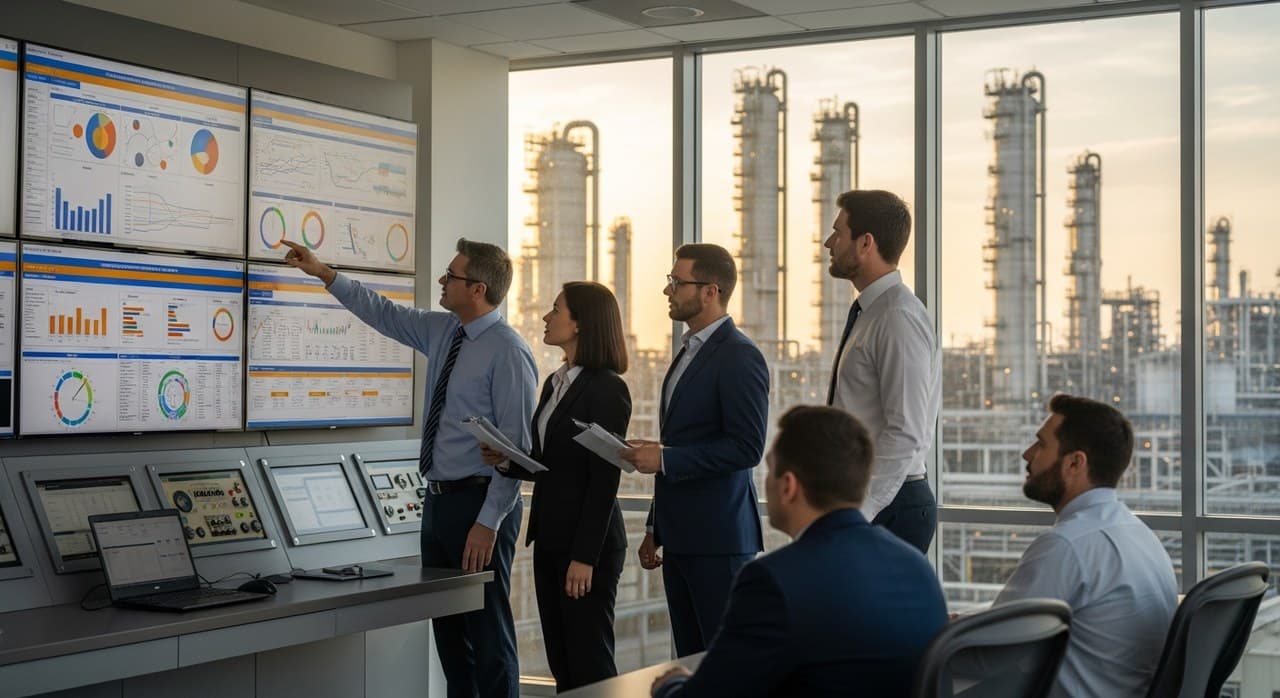
Process Safety Management Systems
We design and deploy complete process safety management systems for your high hazard operations and we align them to the CCPS Risk Based Process Safety framework, OSHA PSM, Responsible Care and ISO 45001 so that safe operation becomes part of how your facility runs every day.
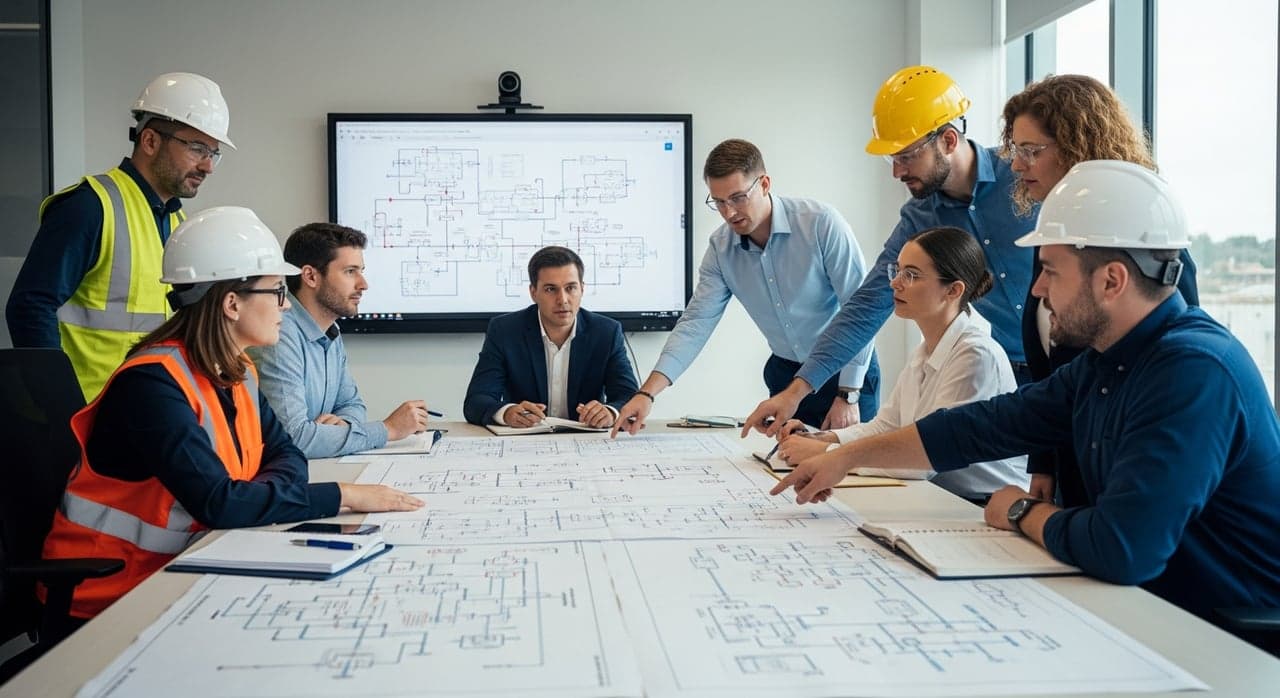
Hazard Studies & Risk Assessment
Our team runs the full range of qualitative and quantitative hazard studies for your facility, from HAZOP and SIL through LOPA, QRA, FERA and consequence modelling, so that you and your leadership can make risk decisions grounded in clear evidence rather than assumption.
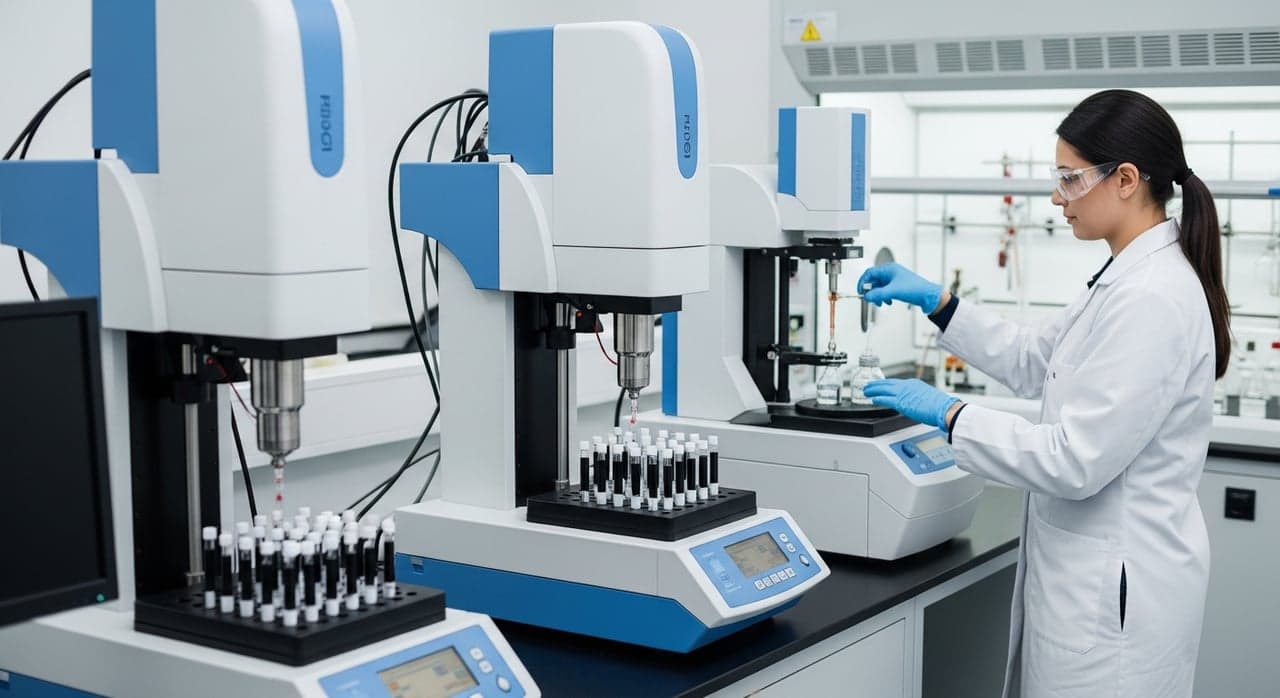
Chemical Safety Evaluation & Testing
We generate the laboratory data your chemistry needs and we turn it into engineering decisions you can act on, covering thermal stability, calorimetry, dust explosibility, reactivity and flammability so that the real behaviour of your materials is understood before it ever reaches the plant.
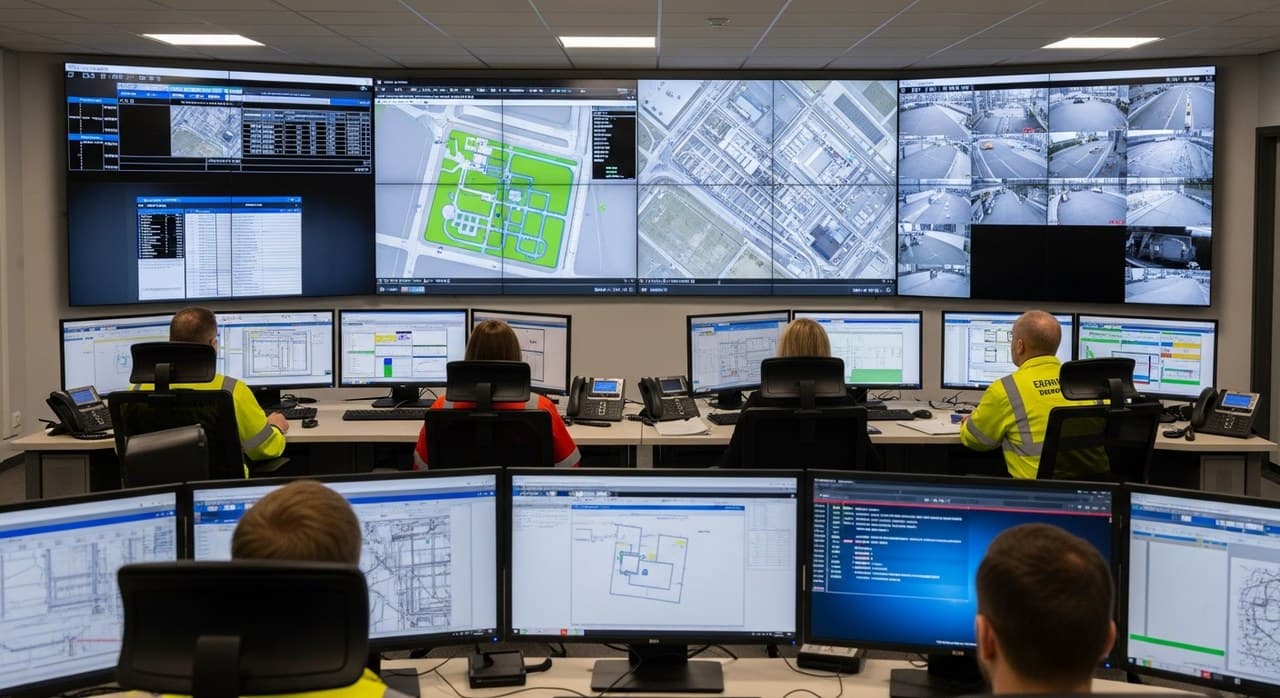
Emergency Response & Crisis Management
We help your facility prepare for the worst day with response systems that actually hold under pressure, building your emergency response plans, incident command structure, command centre and drill programme together with business continuity planning so that your people know exactly what to do when it matters most.
Design and Engineering
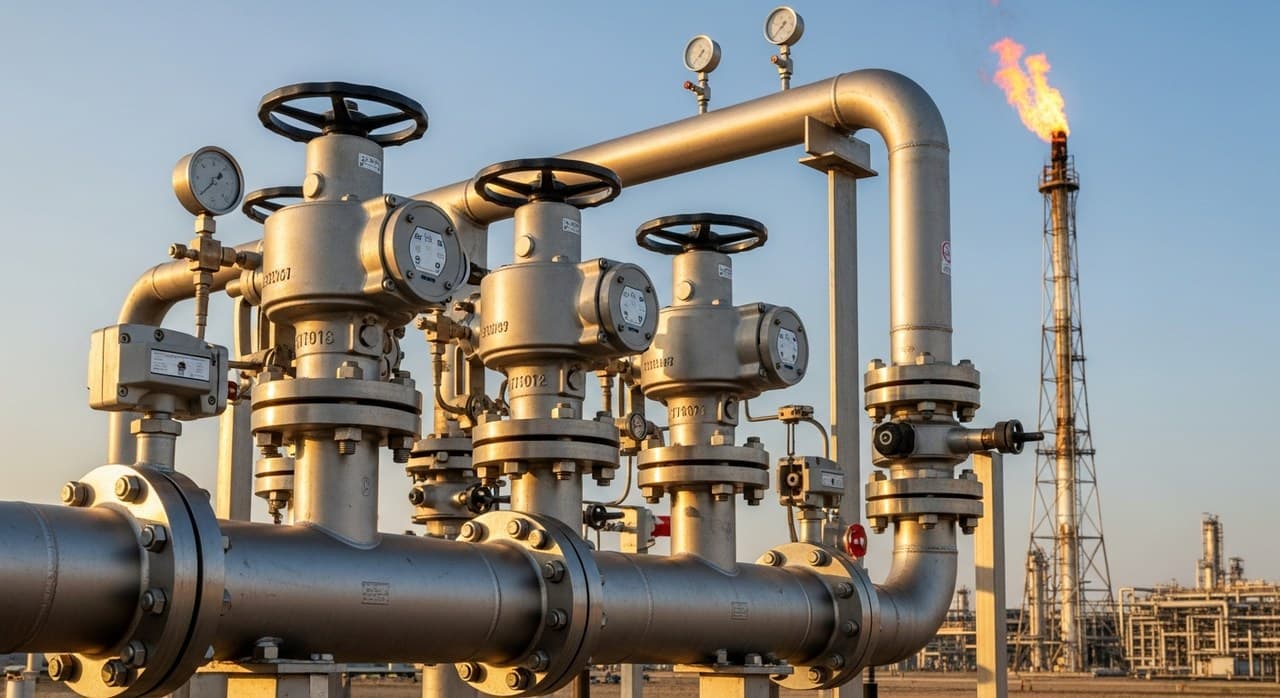
Process Safety Engineering
Our engineers deliver the code compliant safety engineering that keeps your process protected, covering relief systems, flare studies, fire protection, hazardous area classification, safety instrumented system design and alarm rationalisation so that every layer of protection on your facility is sound and well documented.
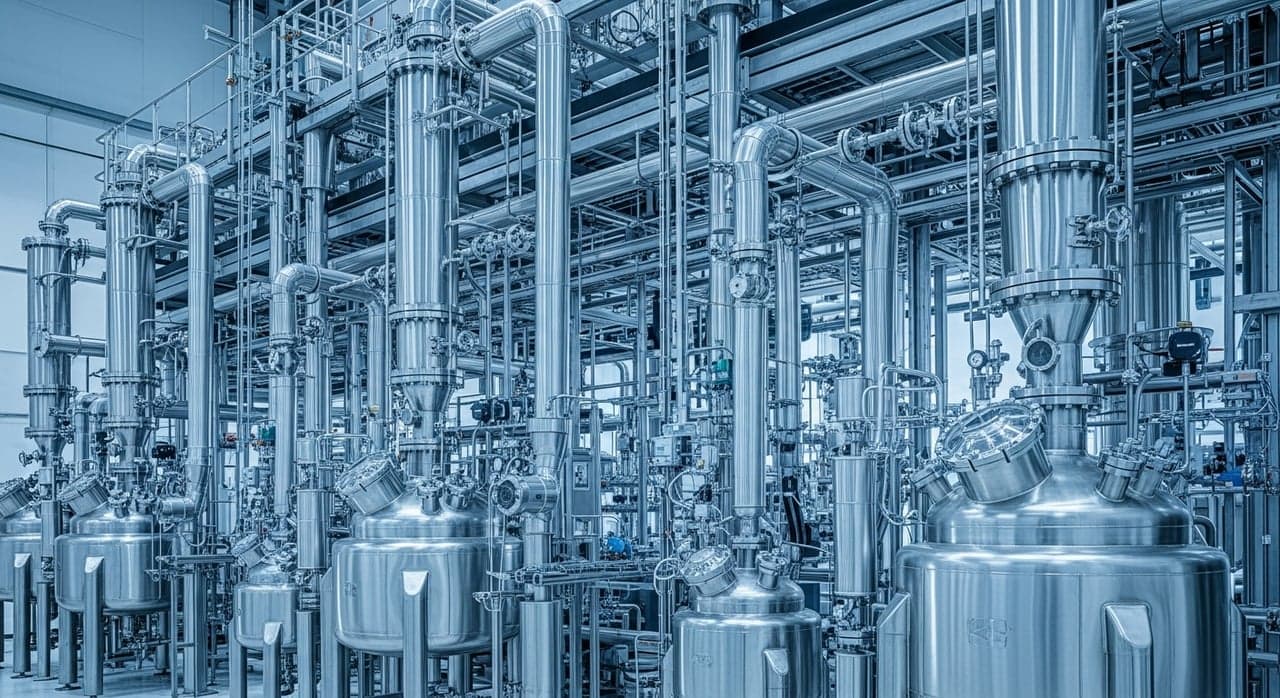
Hazardous Process Technology
We engineer the high risk chemistry that most service providers will not touch, working through your reactive systems, thermal hazards, runaway scenarios and the physics of scale up so that you can take demanding processes from concept to commercial production with confidence that the hazards are properly controlled.
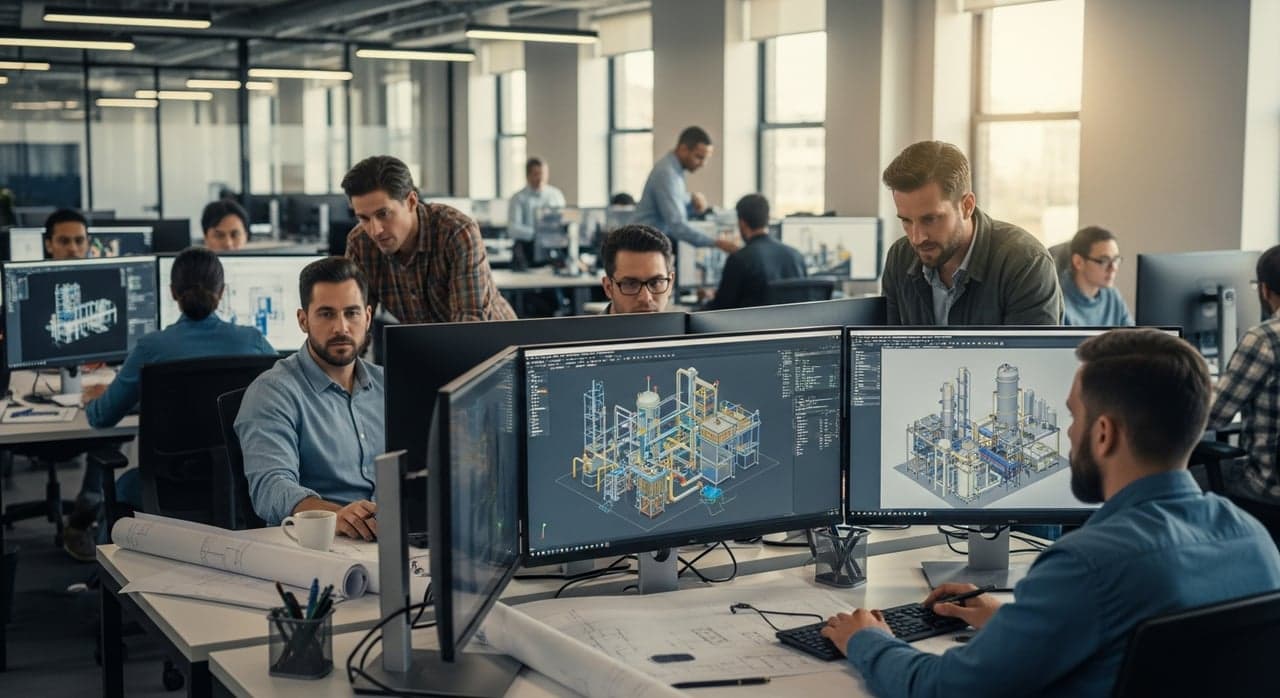
Detailed Engineering Solutions
Our multi discipline team carries your project from concept through commissioning, bringing process, mechanical, electrical and instrumentation engineering together under one roof so that the design that reaches your site is coherent, buildable and ready to operate safely.

Functional Safety Engineering
We take your safety instrumented functions through the complete SIL lifecycle, from determination and SIS design to IEC 61511 and IEC 61508 compliance, audits and proof test procedures, so that the layers your safety case relies on are verified and stay dependable across the life of your plant.
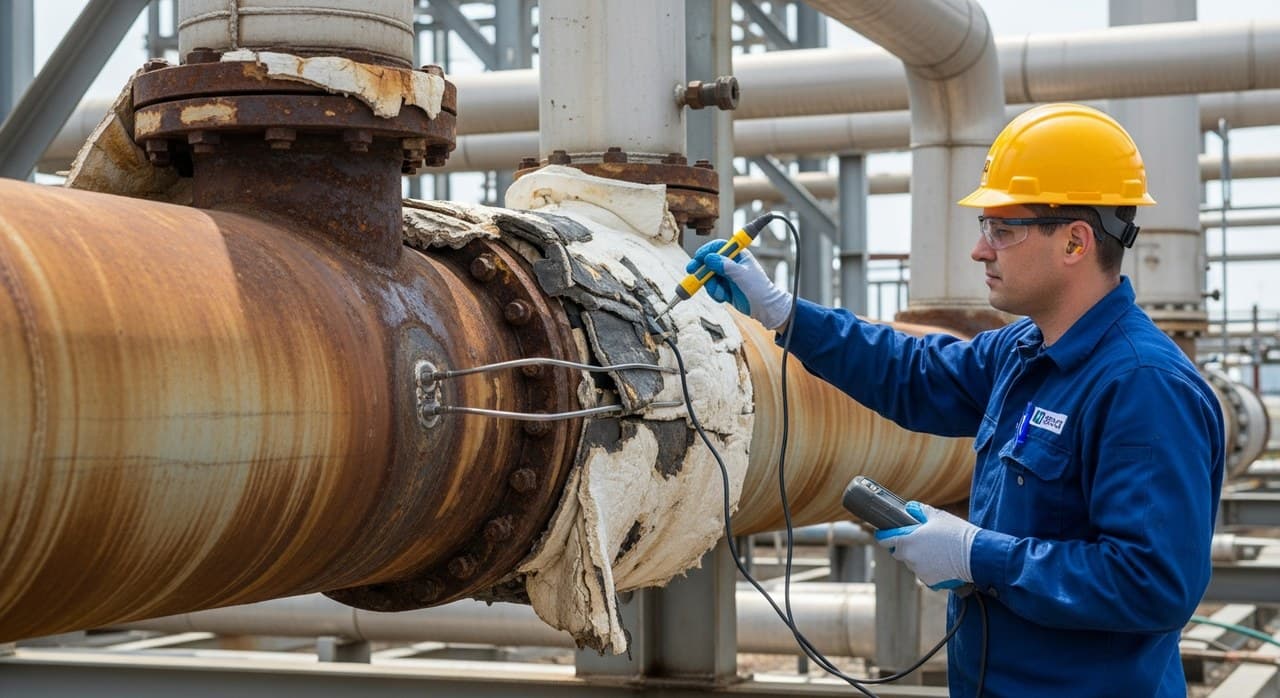
Asset Integrity Management
We help you keep ageing equipment safe and productive through risk based inspection, reliability centred maintenance, corrosion management, fitness for service evaluation and pipeline integrity, so that your team can extend the working life of critical assets while staying ahead of the damage mechanisms that threaten them.
Inherent Safer Design
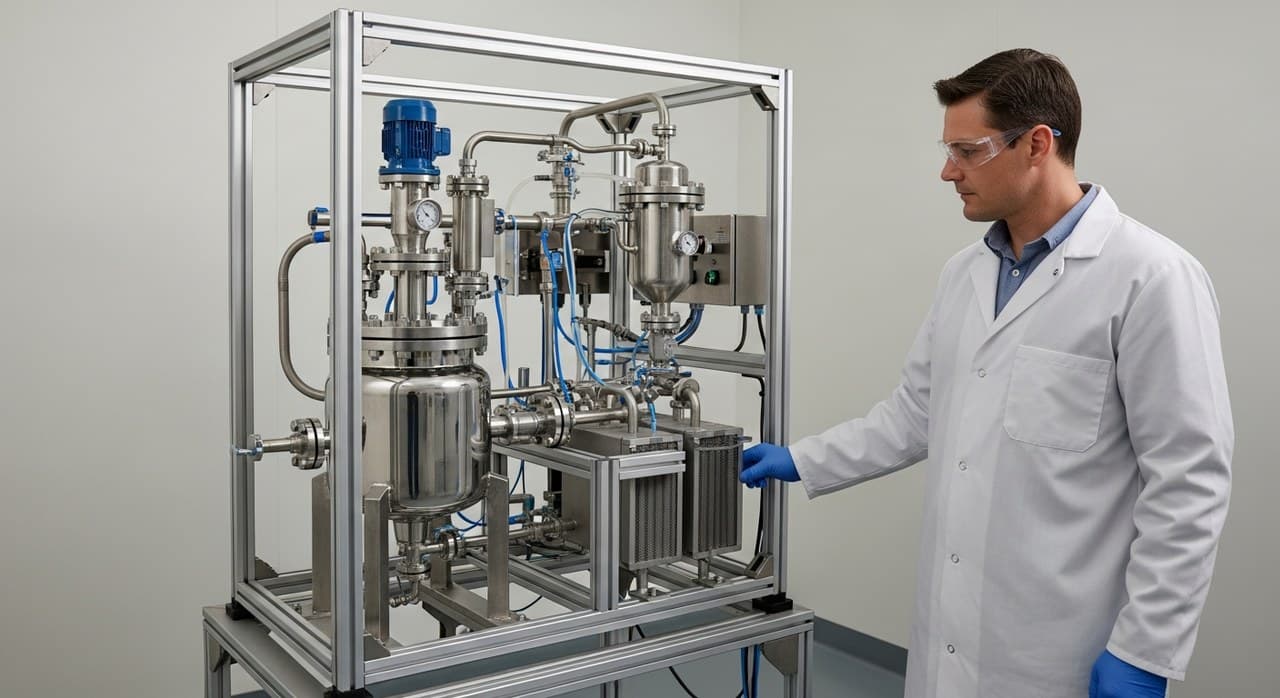
We work with your team to design hazards out of the process rather than relying on controls to contain them, applying the principles of substitute, minimise, moderate and simplify while your concept and FEED are still open, so that the safest and most economical option is locked in before the design freezes.
Fire Protection Engineering
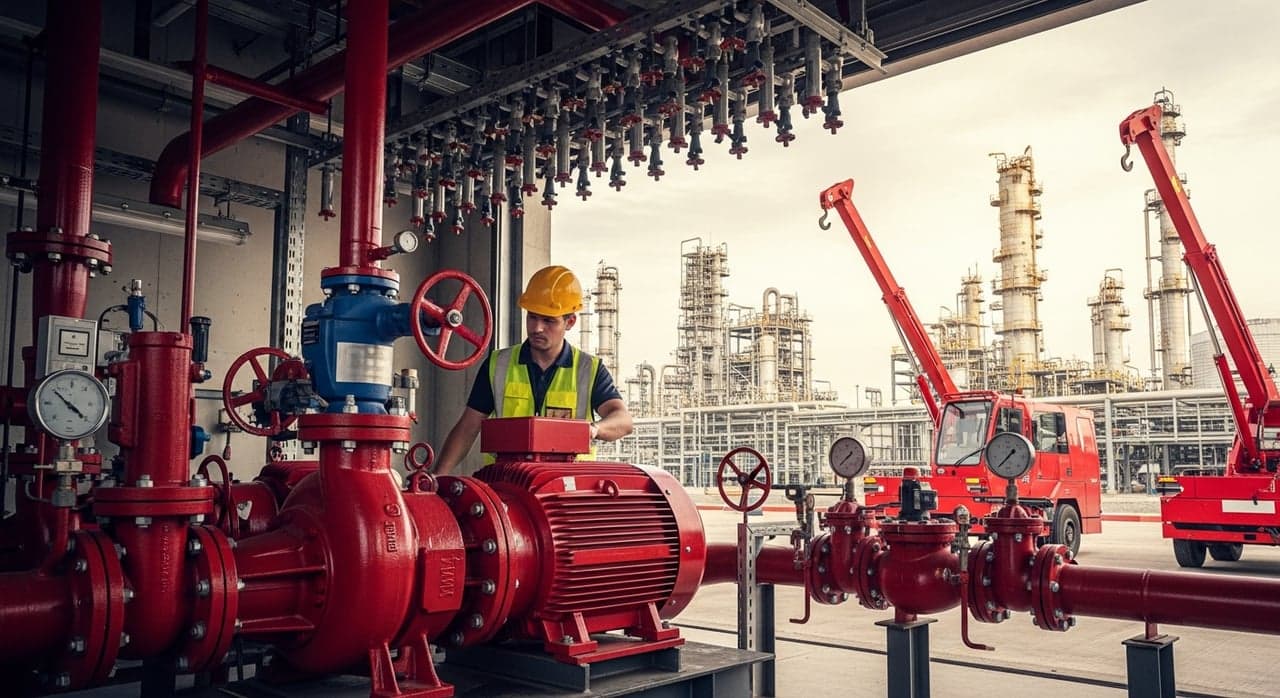
We engineer the active and passive fire protection that keeps your facility defended, from firewater networks and hydrant systems through sprinkler, foam and gas suppression to fire and explosion protection design, so that every credible fire on your site is contained quickly and your people and assets stay safe.

Electrical Safety
We assess and engineer the electrical hazards that sit outside a process hazard study, from arc flash incident energy and lightning protection risk through statutory electrical safety audit, earthing verification, hazardous area Ex compliance and static control, so that the energy in your switchgear and your earth grid is as well understood as the energy in your process.
Digital Tools and Software
Integrated Corporate Digital Platform
We put incident, action, change and audit onto one data model inside the Microsoft tenant you already license, so the record a technician creates in the field is the record a group director reads at quarter end.
Incident Reporting and Investigation System
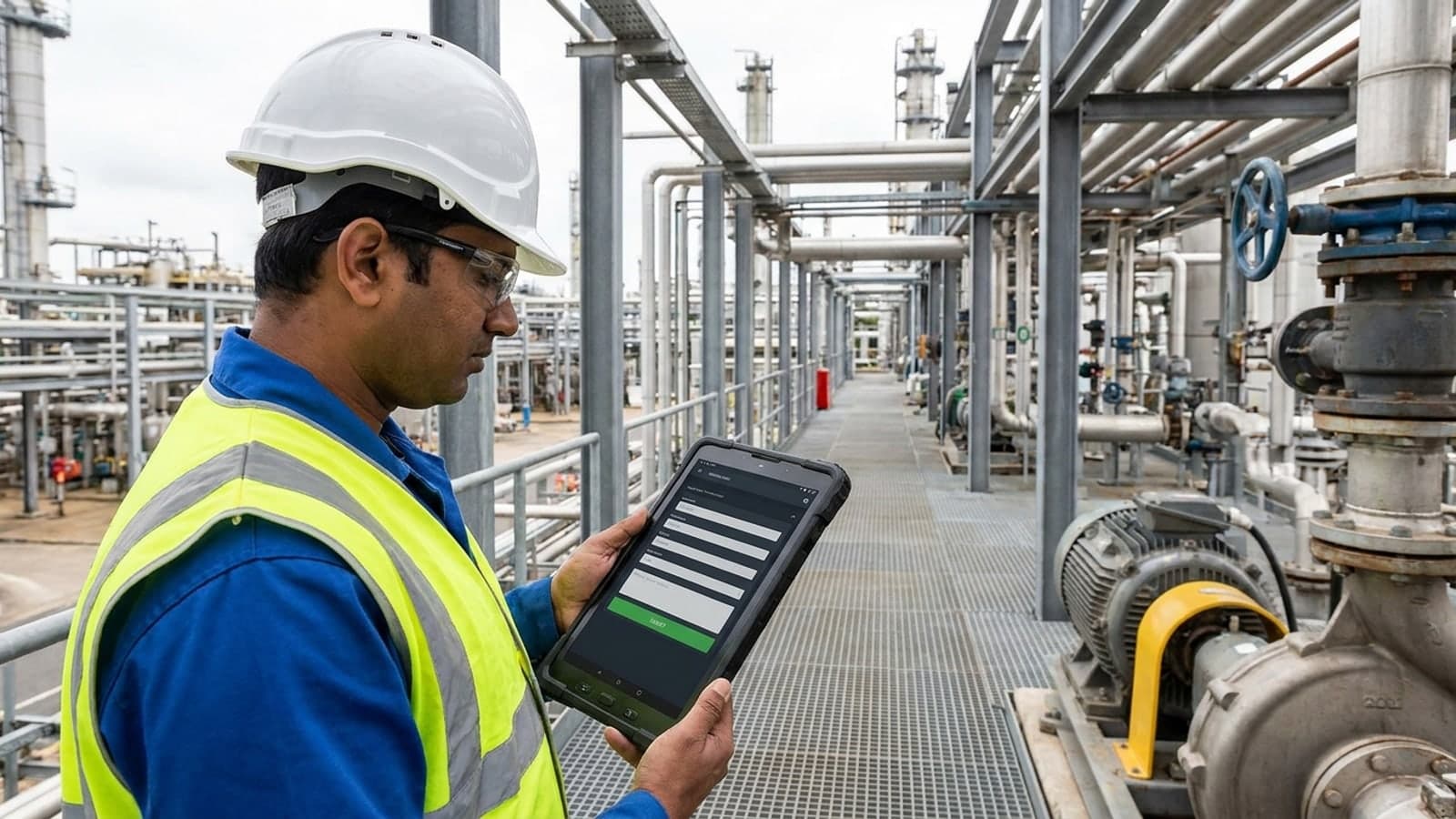
We carry one incident record from first notification through classification and cause analysis to a closed action, with notification and escalation driven by severity rather than by whoever remembers to make a call.
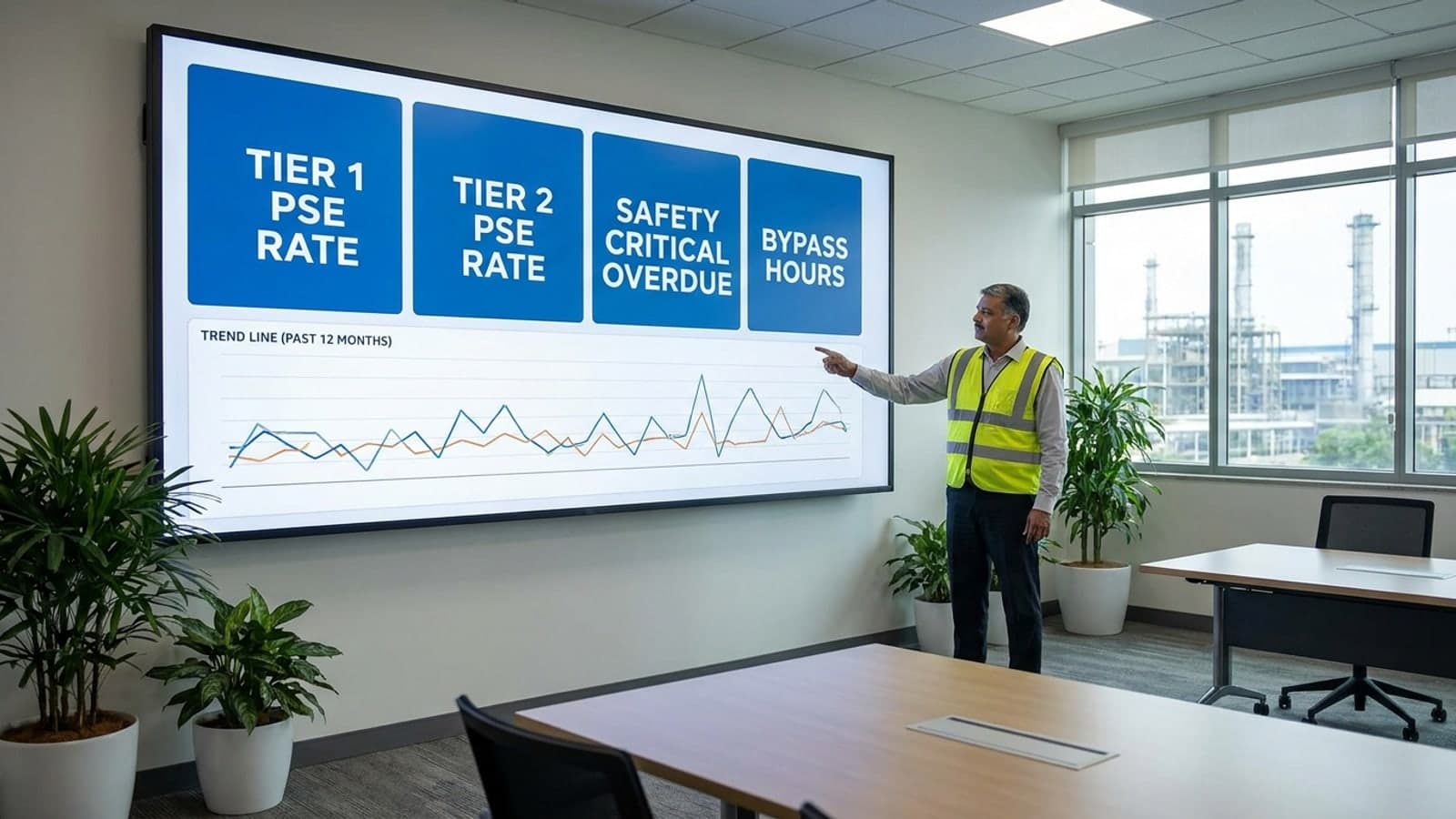
Process Safety KPI Dashboard
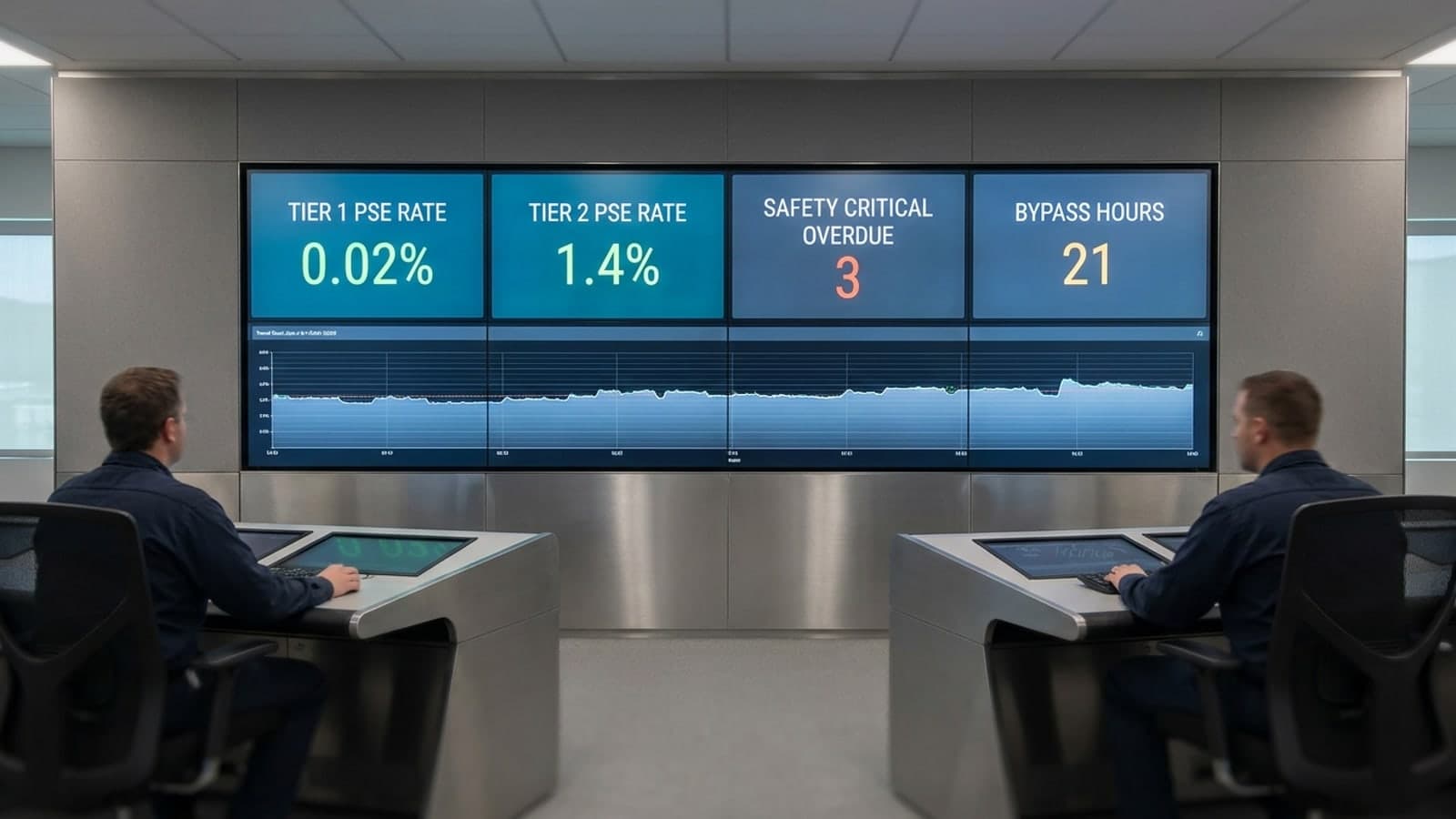
We build the indicator set that moves before your containment record does, normalised to the API RP 754 basis and read live from the systems that already hold the data.
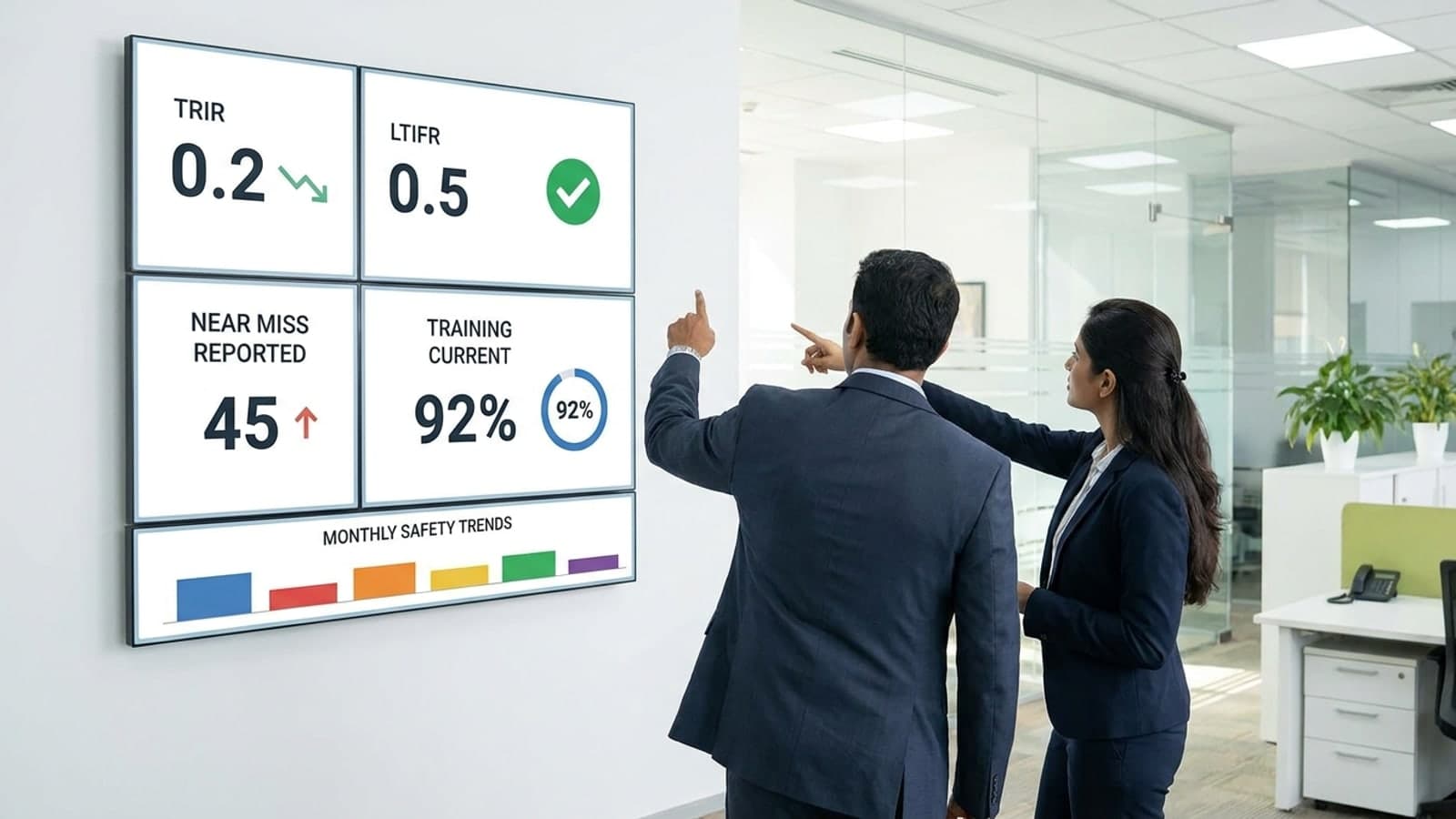
EHS KPI Dashboard
We read your safety, health, environment and training systems directly and keep the tiers separate, because a programme is judged at the base of the triangle and that is the part a summary score hides.
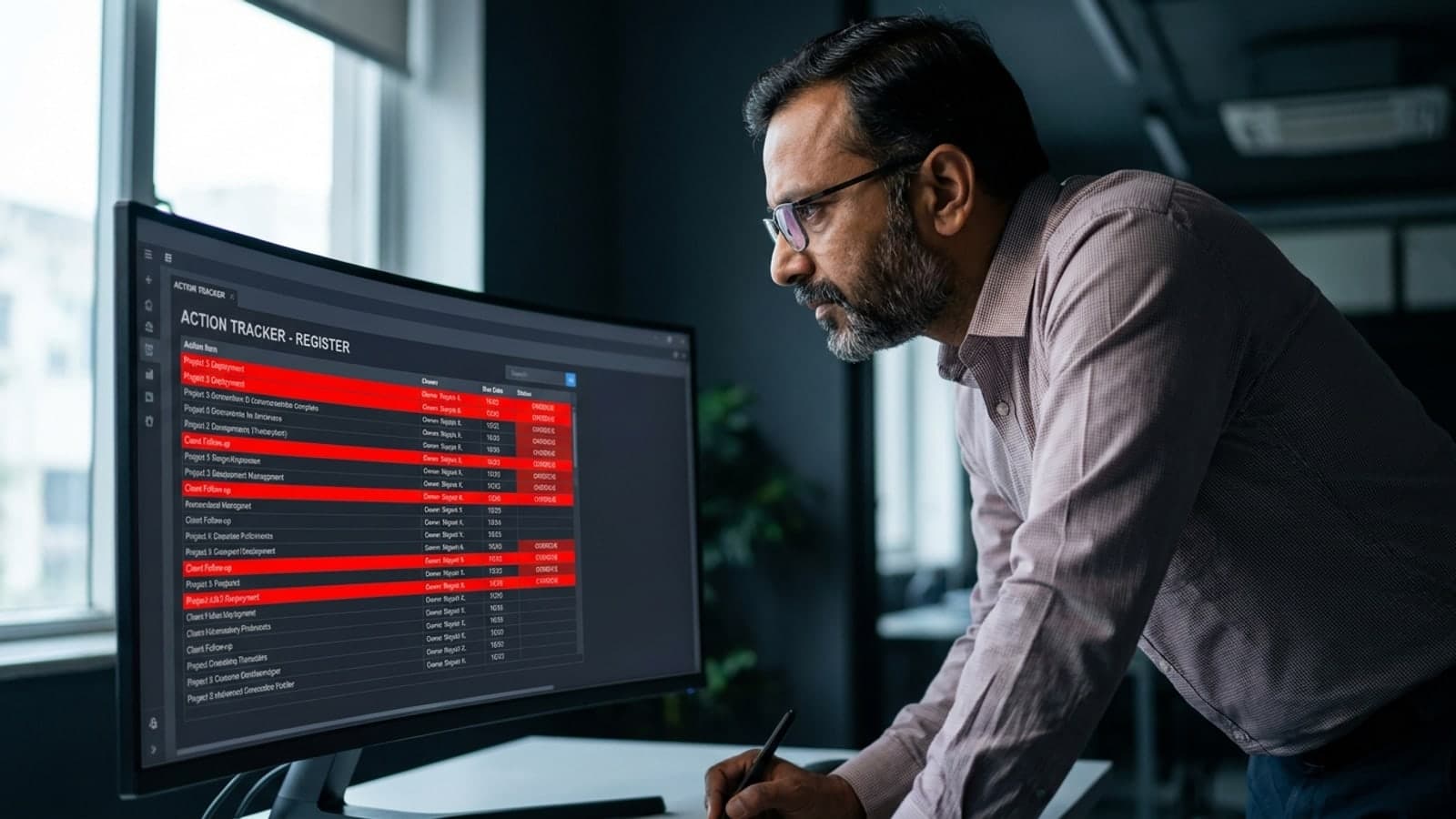
Action Tracking and Workflow System
We put every action from every source into one register with one owner, one date and one escalation path, so the age of your oldest open action becomes a number somebody can actually answer.
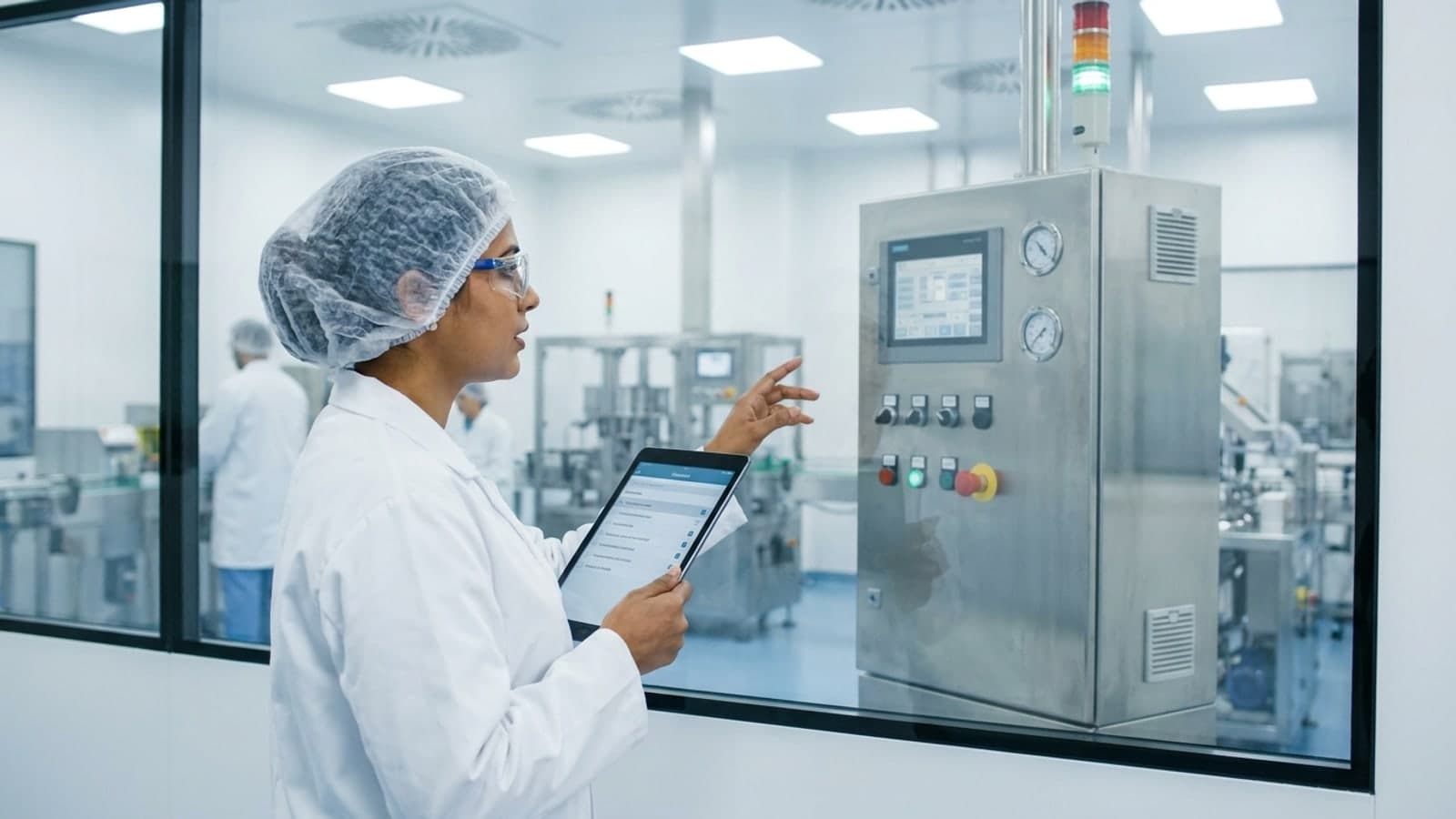
CAPA Management System
We hold cause, corrective action and preventive action as distinct records and schedule the effectiveness check, so the question an inspector actually asks has an answer on file.

Electronic Management of Change System
We build change control that will not close while the drawings and procedures it invalidated are still wrong, and gives every temporary change an expiry that escalates on its own.

Power Platform Workflow Automation
We build on the Power Platform your organisation already licenses, so a working system arrives in weeks rather than after a procurement cycle and your own team can extend it.
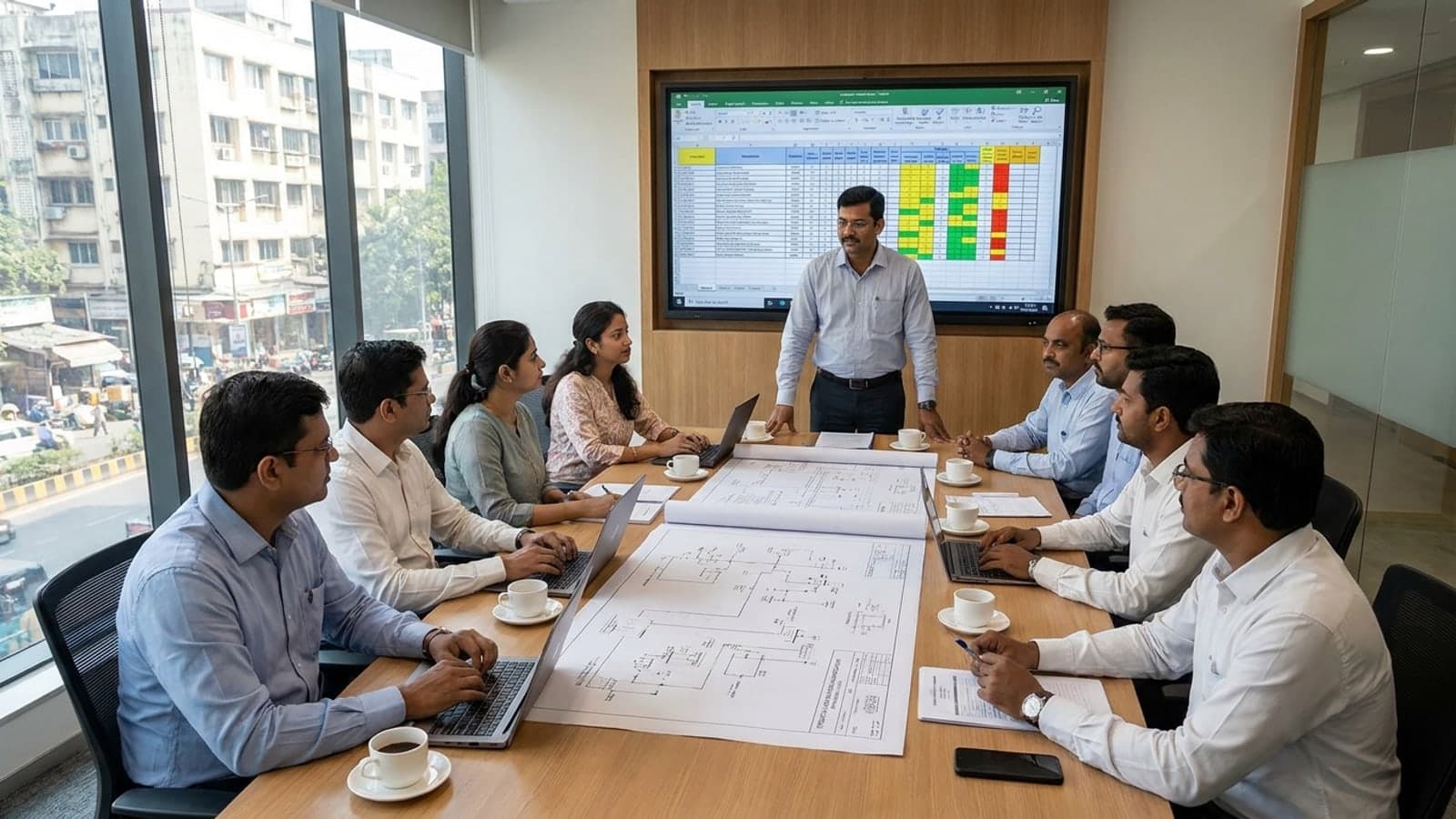
PHAx Hazard Study Software
We chair studies and we build the software, so PHAx records the way a study actually runs and holds the node structure against the drawing revision the team worked from.
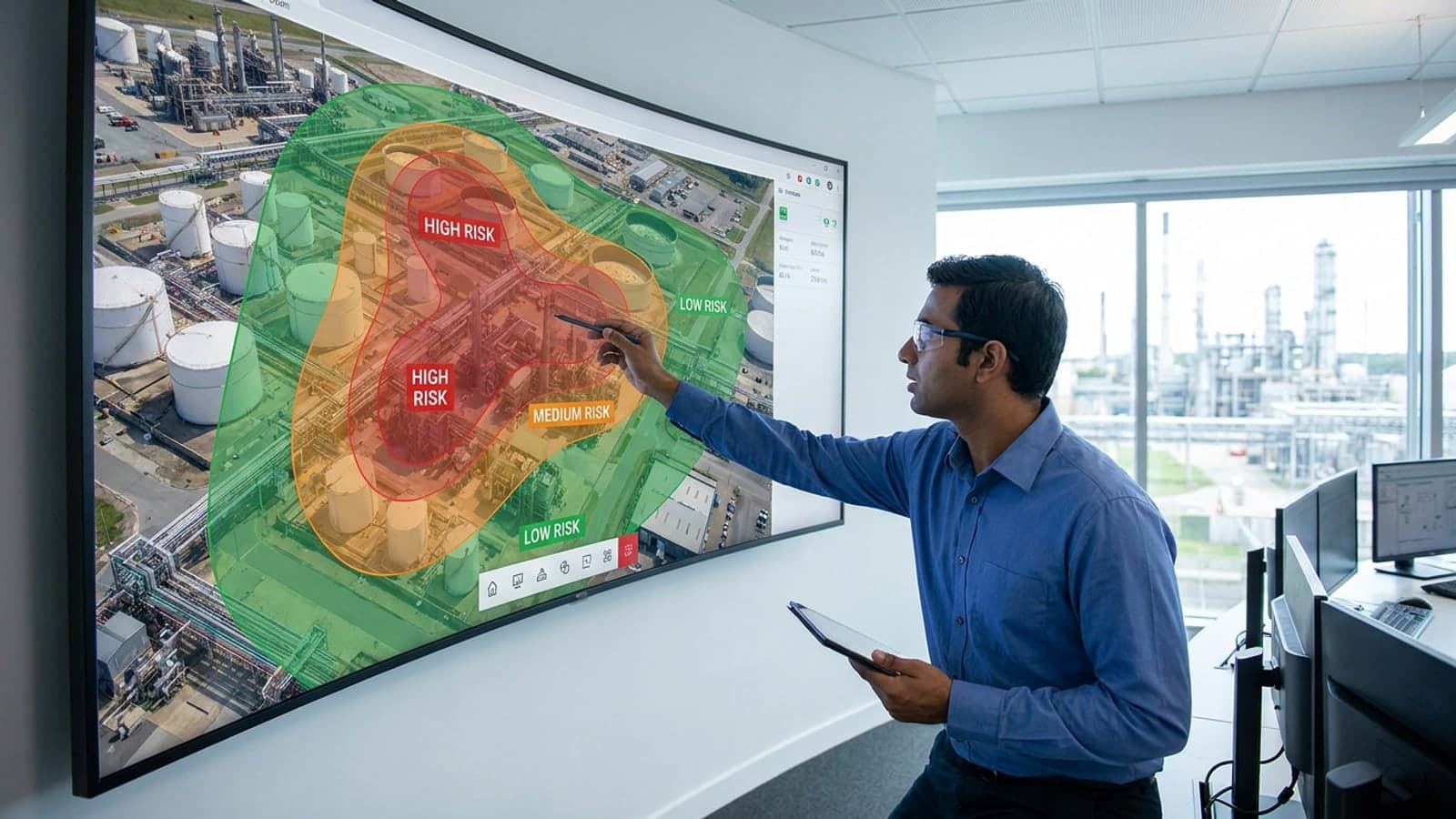
AQRA Advanced Quantitative Risk Analysis Software
We carry an assessment from source term through dispersion and consequence to risk contours in one environment, so the assumptions travel with the analysis and any contour traces back to the release behind it.
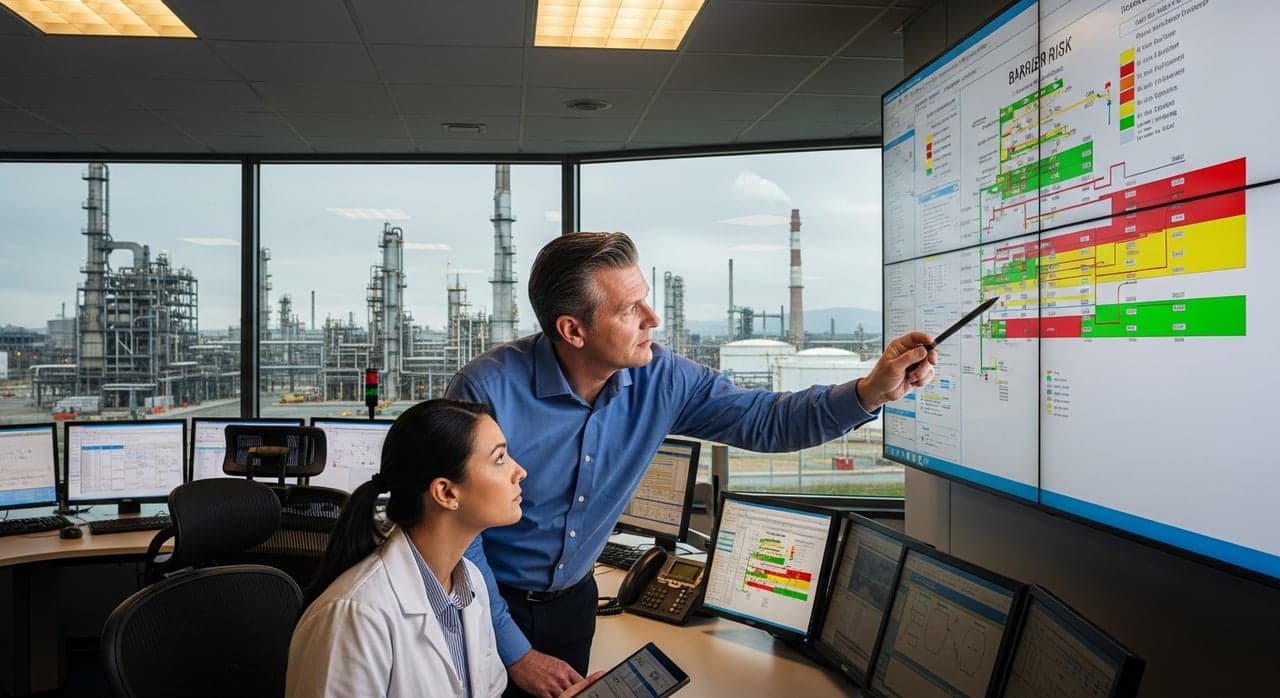
BOWTY Expert Bow Tie Risk Analysis Software
Our bow tie software for macOS and Windows, where a barrier carries its type, owner, criticality and verification, the controls that keep it working sit under it, and the files stay on your own computers.
EHS and Sustainability
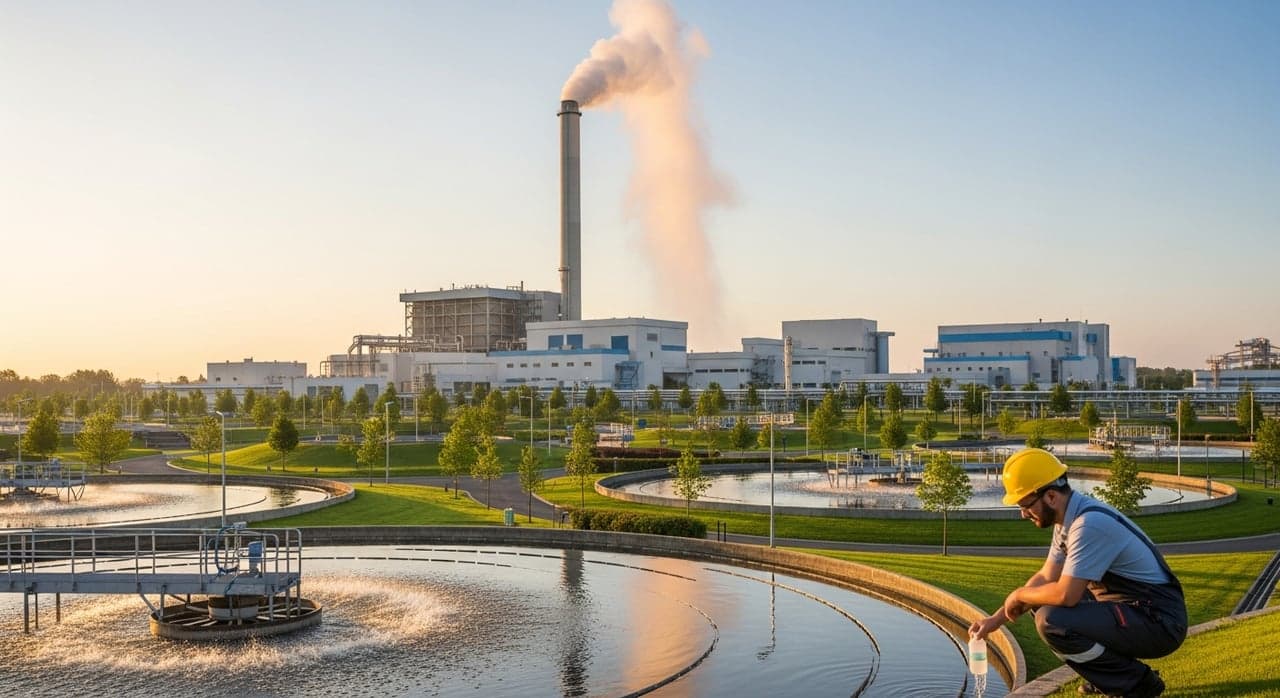
Environmental Management
We build environmental management systems that fit how your site actually operates, covering environmental impact assessment, air quality, water and waste compliance, so that your facility meets its statutory obligations and earns the trust of regulators and the community around it.

Occupational Health & Safety
We help you protect the people who keep your plant running through practical workplace safety systems, from risk assessment and behaviour based safety to ergonomics and worker health surveillance, so that safe working becomes a shared habit rather than a poster on the wall.
Industrial Hygiene
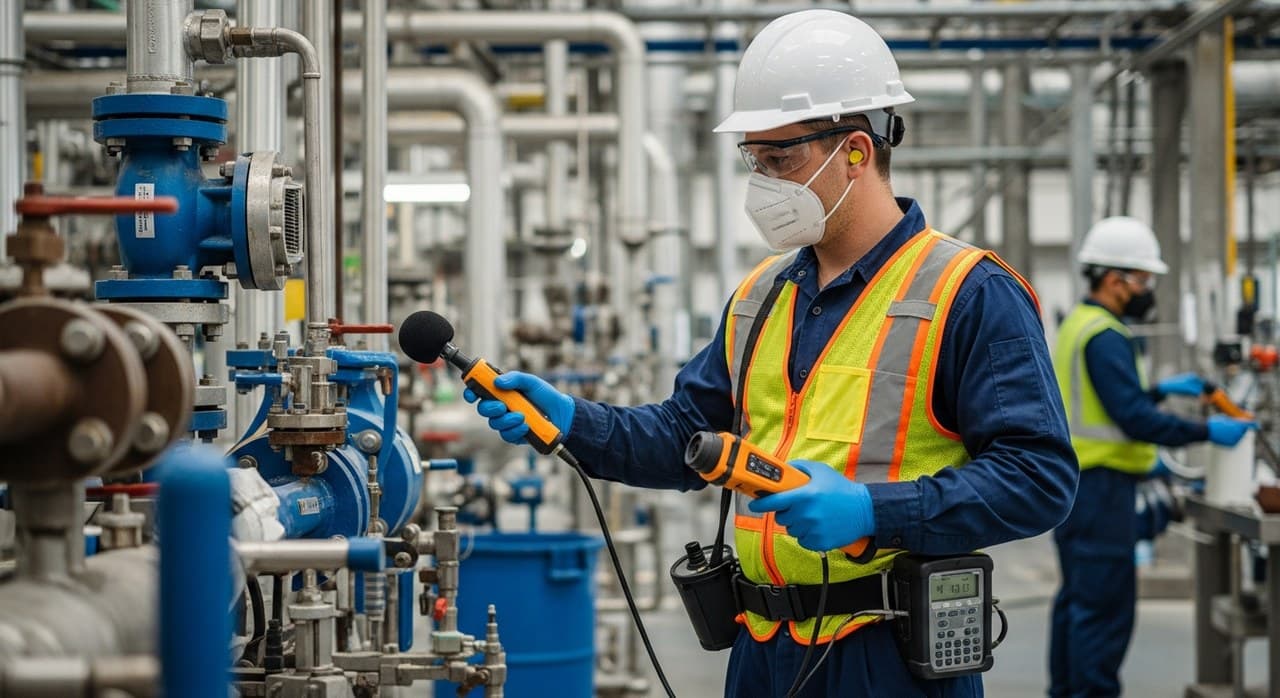
We measure and control the exposures your workforce cannot see, assessing chemical, physical, biological and ergonomic stressors and then engineering the controls that bring them within safe limits, so that long term health is protected across every shift and every role on your site.

Product Stewardship
We help you carry chemical regulatory responsibility across every market you sell into, authoring safety data sheets, handling GHS classification and REACH compliance and managing the full lifecycle of your products, so that your goods reach customers worldwide with the right information and clear regulatory standing.

Sustainability & ESG
We help you turn sustainability ambition into measured progress, building net zero roadmaps, ESG reporting, GHG inventories and circular economy strategy that are quantified and investor grade and that stand up to the scrutiny of assurance providers and the financial markets.
Business Excellence
Business Strategy and Transformation
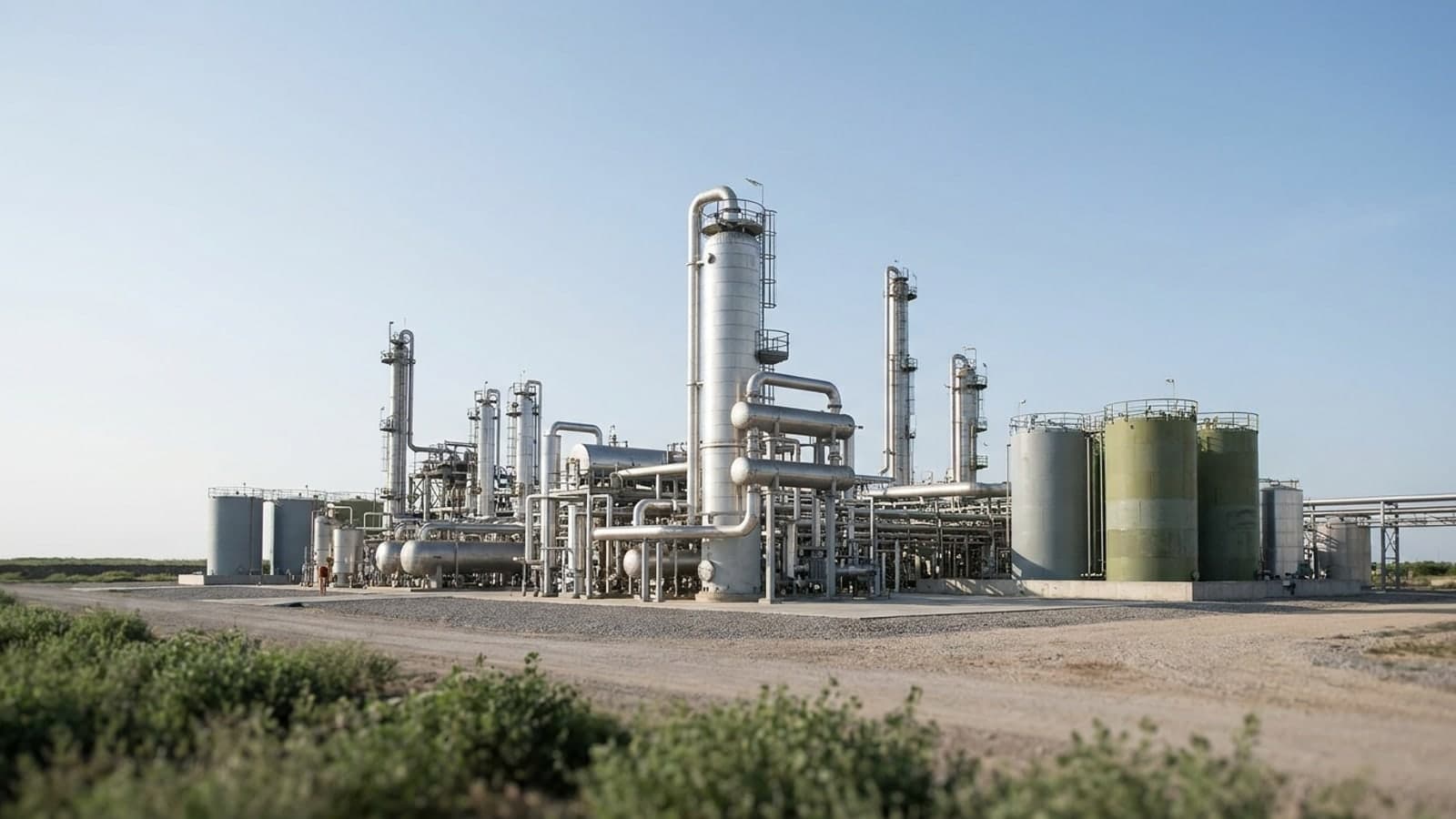
We help you decide what the business should be doing before you spend a rupee doing it, covering business, operational and manufacturing strategy, growth and expansion planning, M&A integration, innovation management, business process re engineering and organisation design, and we carry each decision through to the operating model that has to deliver it.
Digital Transformation and Industry 4.0
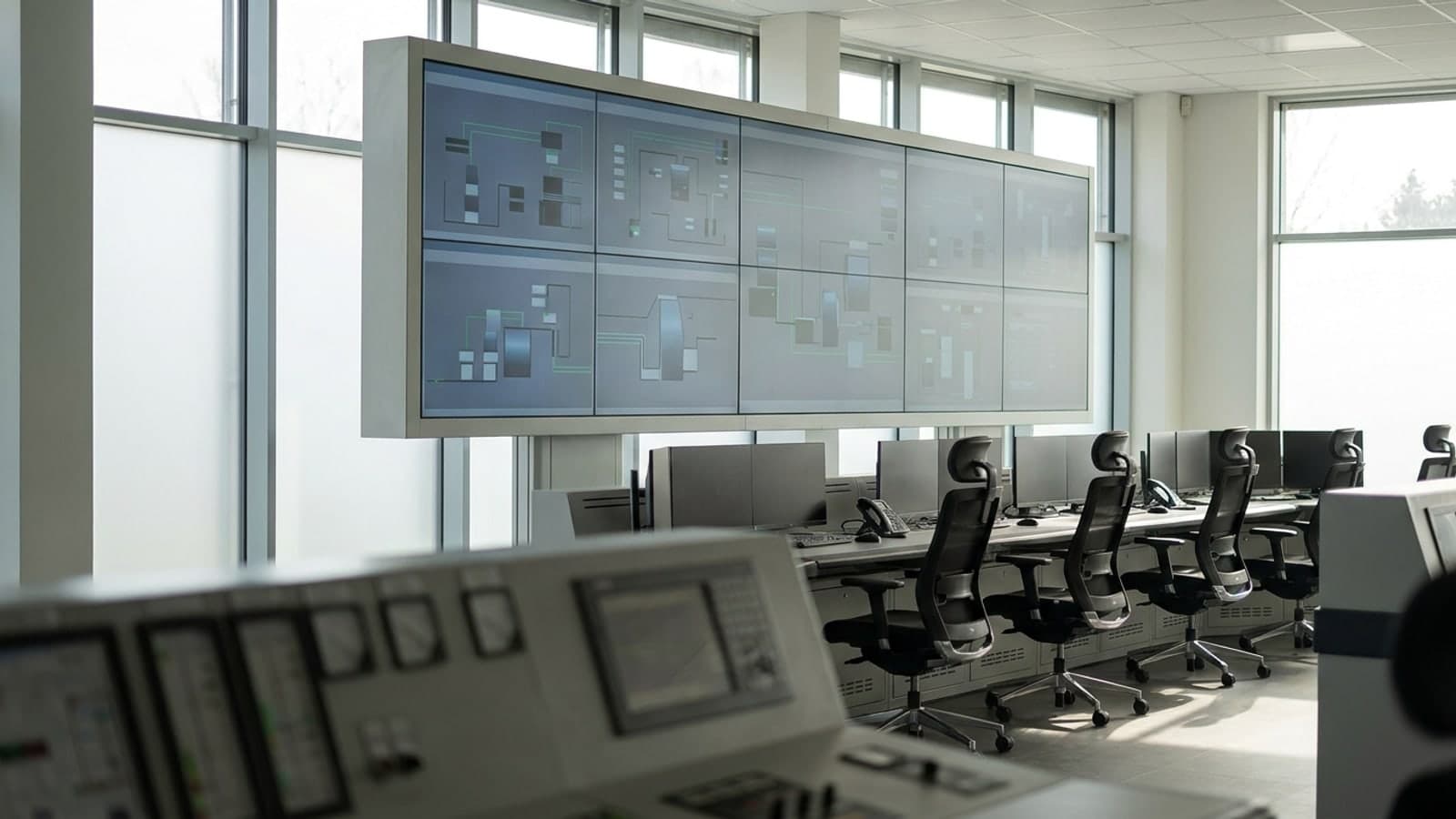
We take digital from slideware to the shop floor, building the transformation roadmap, assessing and selecting the technology, and implementing smart manufacturing, manufacturing execution systems, industrial IoT data analytics and predictive operations analytics so that the data your plant already generates starts changing decisions.
Manufacturing and Process Performance
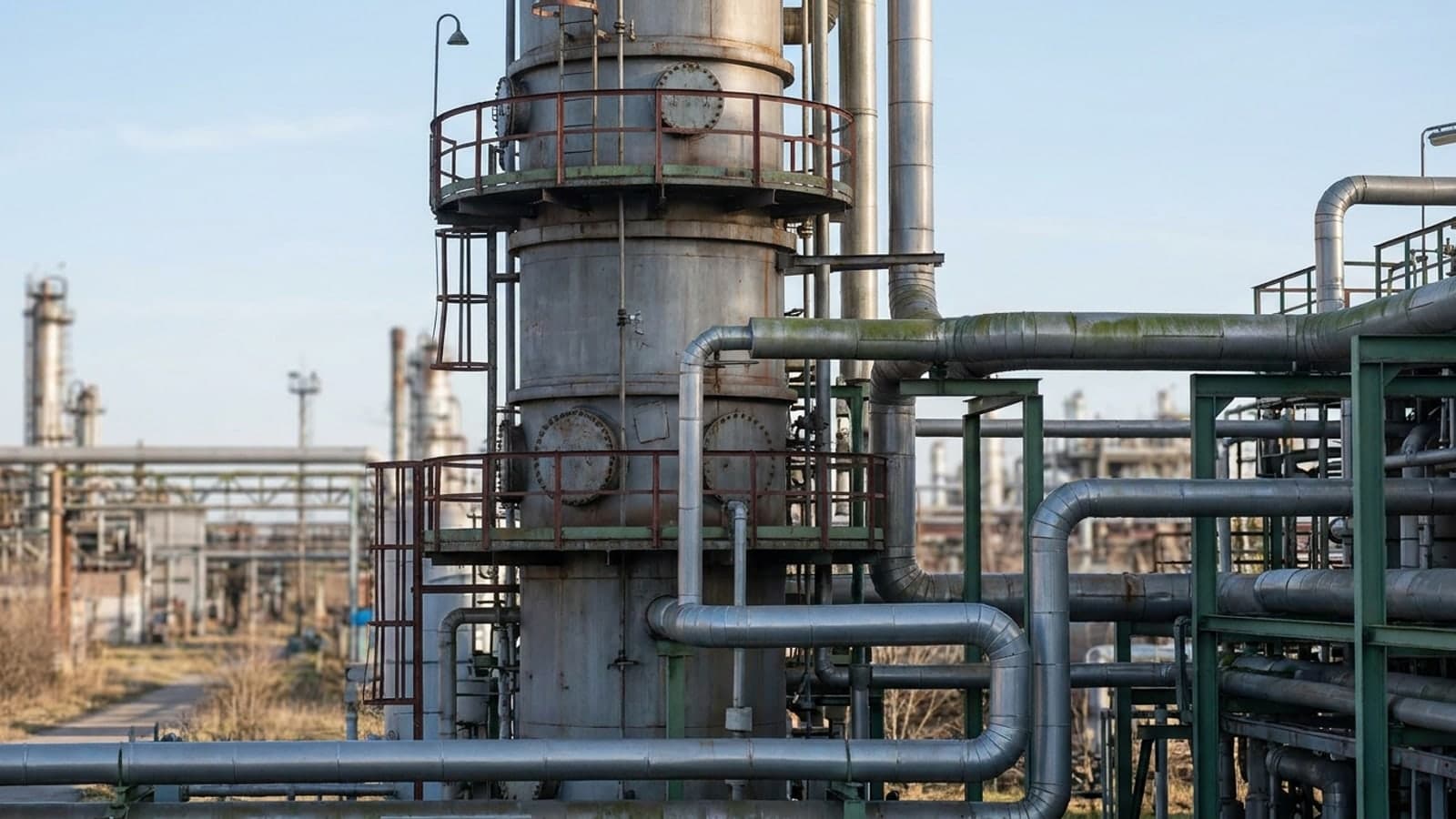
We find the output that is already inside your existing assets, through process optimisation, capacity debottlenecking, yield and OEE improvement, productivity programmes and process capability work, so that capacity comes from what you own rather than from what you have to build.
Reliability and Maintenance Excellence
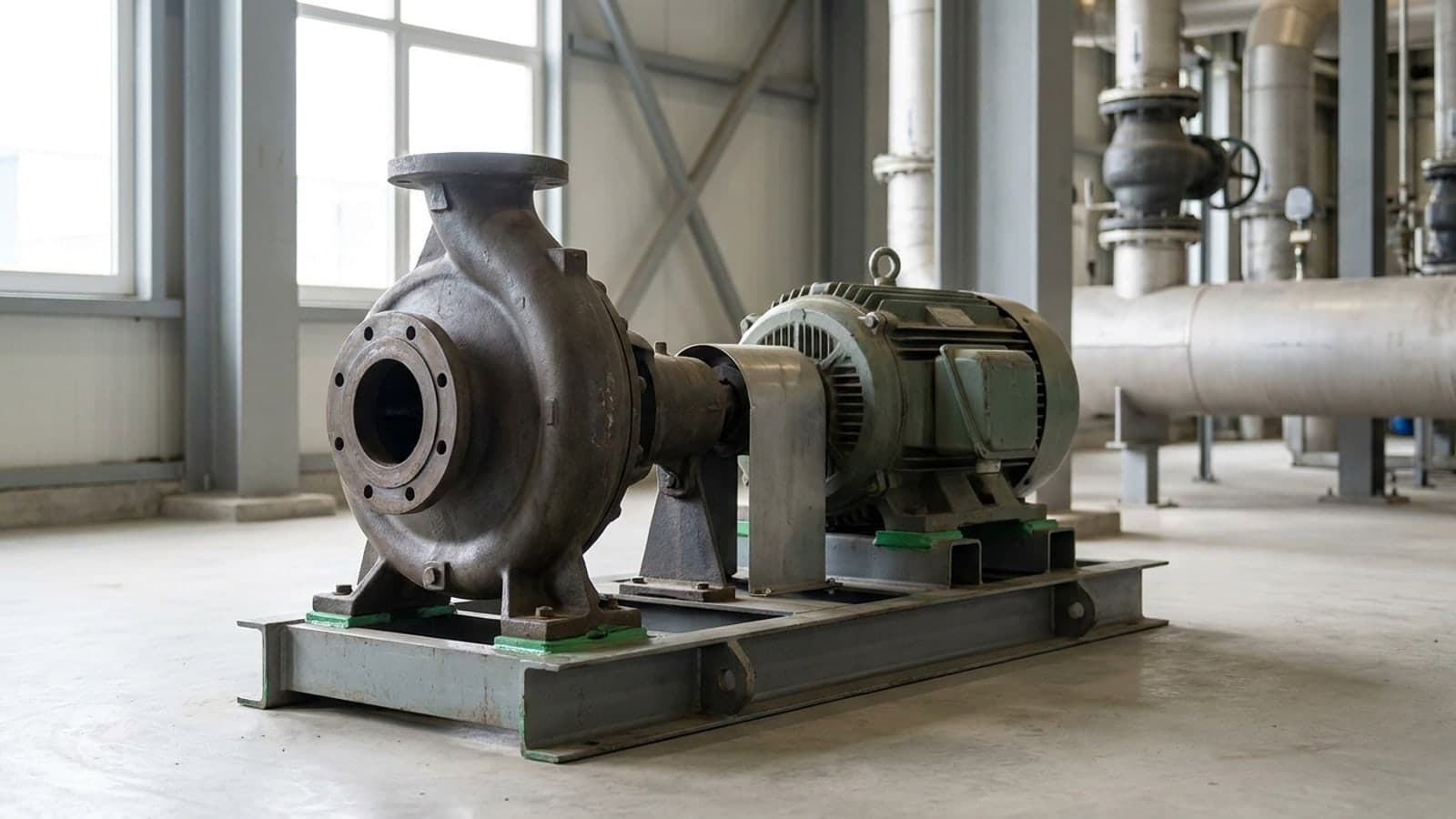
We move maintenance from reacting to predicting, through reliability engineering, reliability centered maintenance, total productive maintenance, maintenance strategy optimisation and asset management to ISO 55001, so that spend goes to the equipment whose failure actually costs you something.
Quality and Continuous Improvement
We build quality that is measured rather than asserted, covering quality management systems to ISO 9001, six sigma deployment, statistical process control, root cause analysis and CAPA, and the performance frameworks and dashboards that tell you whether any of it is working.

Lean and Cost Optimisation
We take cost out of the operation without taking capability out of it, through lean manufacturing, waste reduction, structured cost reduction programmes, inventory optimisation and working capital release, delivered as an operating system your teams keep running after we leave.
Training and Competency
Process Hazard Analysis Fundamentals
The entry point to the hazard study family. Delegates work through HAZOP, HAZID, What If, checklist and job safety analysis, see where each method earns its place in the project lifecycle, and practise all of them on the same worked plant so the differences are obvious rather than theoretical.
Advanced HAZOP Leadership and Facilitation
For engineers who will chair studies. The technical method is assumed, and the course concentrates on what actually decides study quality, which is node selection, keeping a mixed discipline team productive, handling the dominant voice and the silent expert, and knowing when a session has stopped producing anything.
LOPA and IPL Credit Assignment Workshop
Layer of protection analysis is simple arithmetic applied to difficult judgements. This workshop concentrates on the judgements, which are whether a layer is genuinely independent, whether the operator has time to act, and whether the conditional modifiers being applied are defensible.
Quantitative Risk Assessment and FERA Training
A QRA produces numbers that look authoritative and are built on assumptions that often are not stated. Delegates learn how individual and societal risk are calculated, what the difference between location based risk and IRPA does to a result, and which inputs genuinely control the outcome.
Bow Tie Analysis and ALARP Demonstration Workshop
Bow tie diagrams are widely drawn and frequently useless, because barriers get placed on the diagram that would not stop anything. This workshop builds bow ties that carry real barrier ownership and degradation controls, then uses them to construct an ALARP argument that will hold.
Consequence and Dispersion Modelling Training
Consequence software is easy to run and easy to run wrongly. Delegates learn the physics behind discharge, dispersion, fire and explosion models, then work through the input choices that change a result by an order of magnitude without any warning from the software.
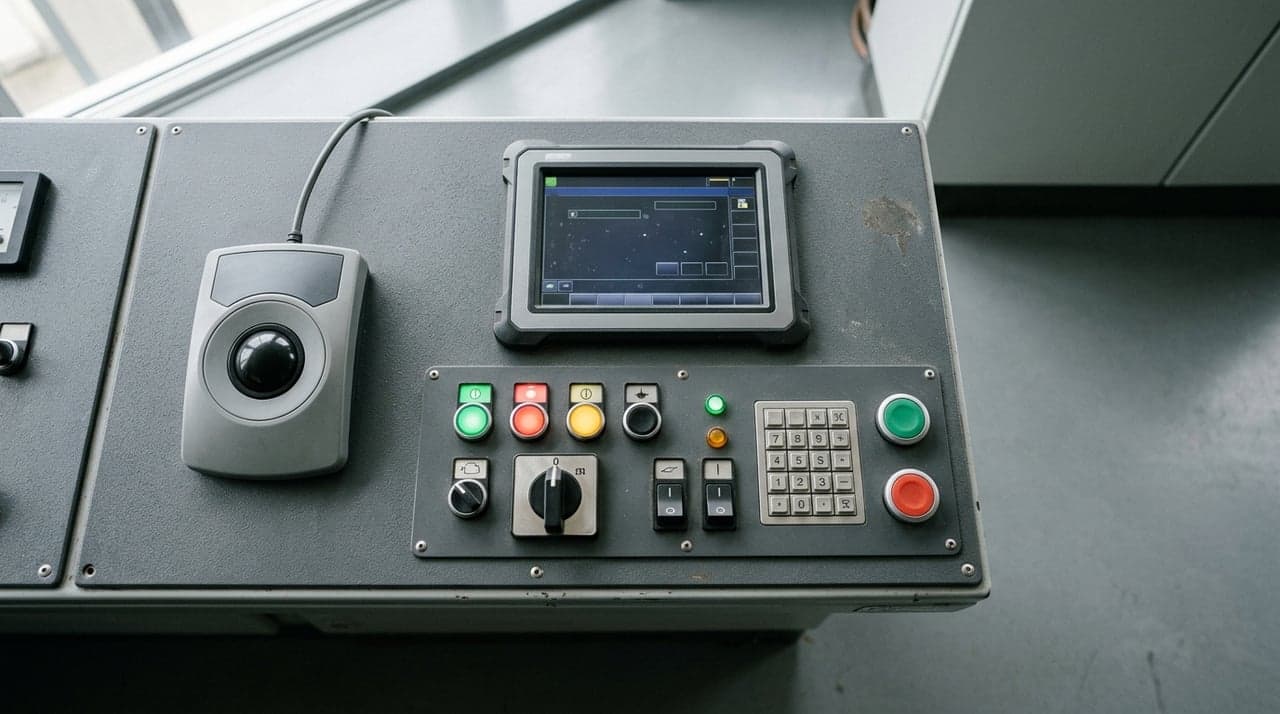
Human Reliability Analysis Training
Human error appears in almost every incident sequence and in very few risk assessments with any rigour. This course covers task analysis, error identification and quantification, and the performance shaping factors that move an error probability by more than an order of magnitude.
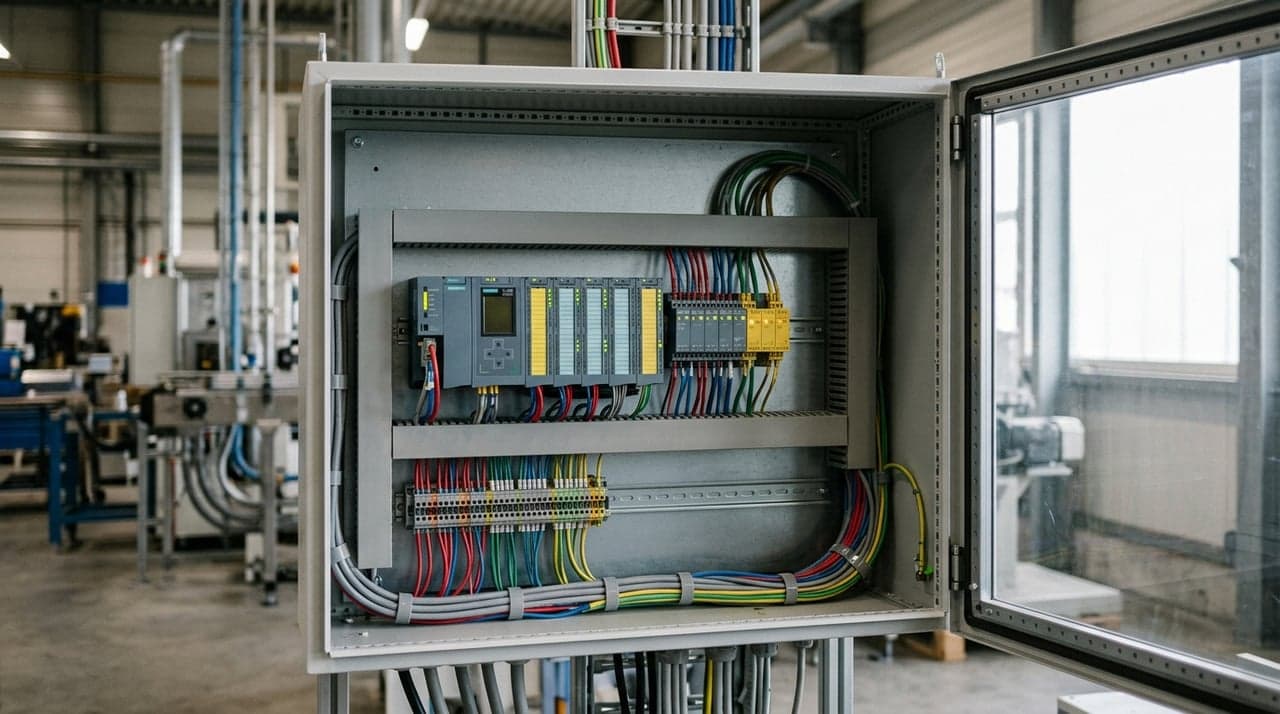
IEC 61511 Functional Safety Lifecycle
Functional safety fails far more often through lifecycle and management gaps than through hardware reliability. This course walks the complete IEC 61511 lifecycle, establishes what each phase must produce, and makes clear where responsibility sits between operator, integrator and vendor.
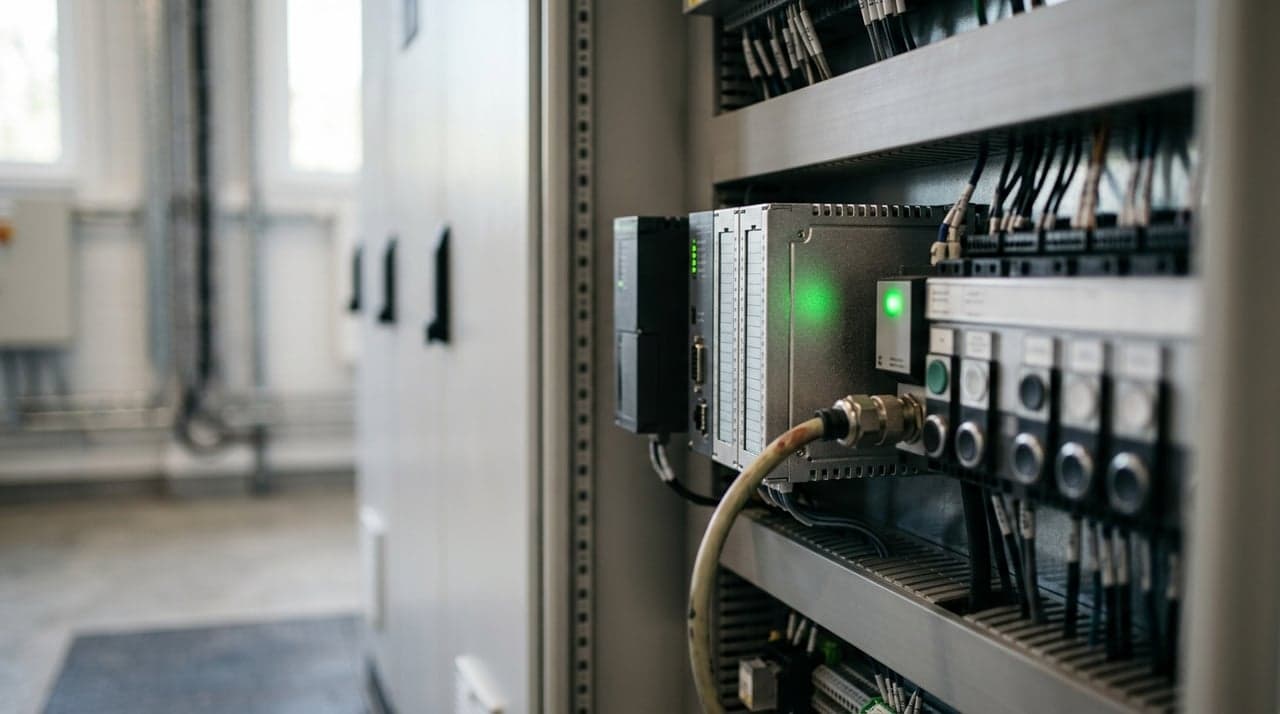
SIL Determination and Verification Workshop
Two distinct activities that get confused. Determination sets the required integrity from the risk. Verification proves a proposed loop achieves it. Delegates work through both, including the proof test coverage and common cause assumptions that most verification files leave unstated.
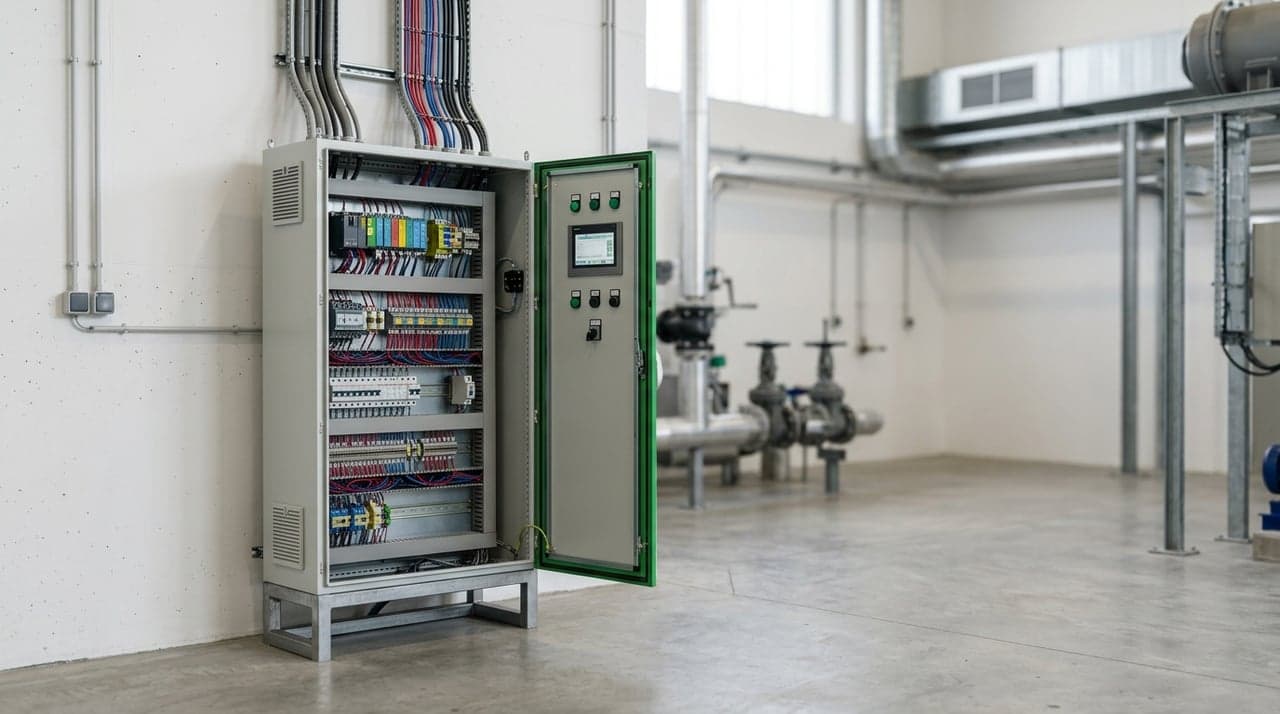
Safety Requirements Specification Authoring
The safety requirements specification is the handover point between those who understand the hazard and those who will build the system. Most are incomplete in the same predictable places. This workshop has delegates author and then peer review a full specification.
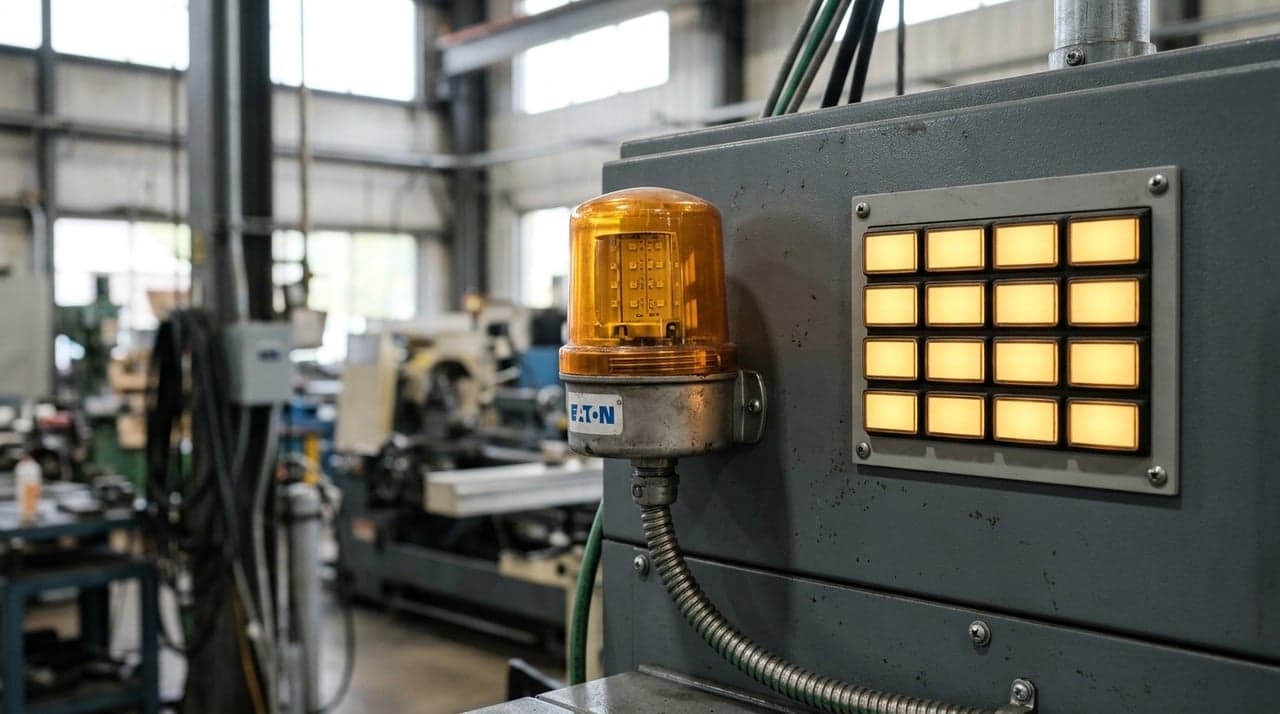
Alarm Management and Rationalisation
Alarm floods have contributed to major accidents where the information the operator needed was present and buried. This course covers alarm philosophy, rationalisation, performance measurement against published benchmarks, and the sustained management that stops the system degrading again.
Cybersecurity for Safety Instrumented Systems
IEC 61511 requires a security risk assessment of the safety instrumented system, and Triton demonstrated why. This course covers zone and conduit design, the security lifecycle in IEC 62443, and how security requirements interact with functional safety requirements rather than overriding them.
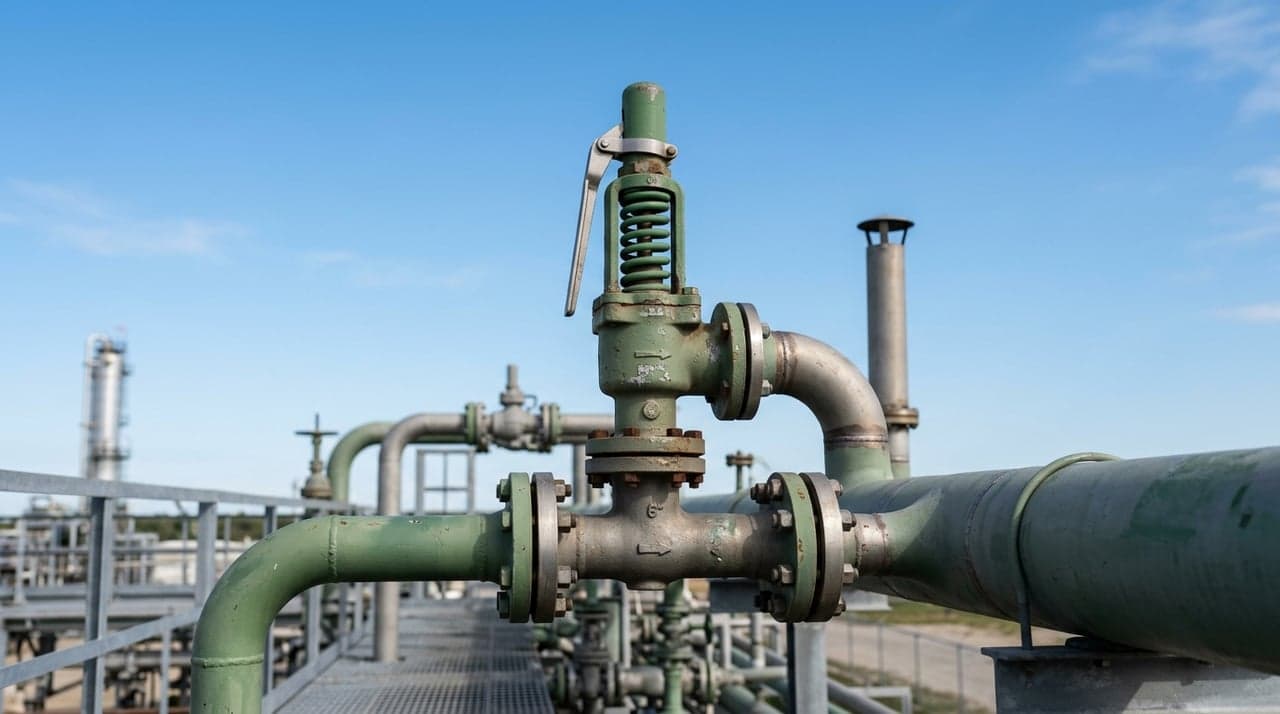
Relief and Flare System Design Workshop
Relief sizing is taught as a code exercise and fails as a scenario selection problem. This workshop covers the full case set from fire through to blocked outlet and runaway reaction, the two phase flow methods that a reactive case demands, and the flare header hydraulics that decide whether the device can actually relieve.
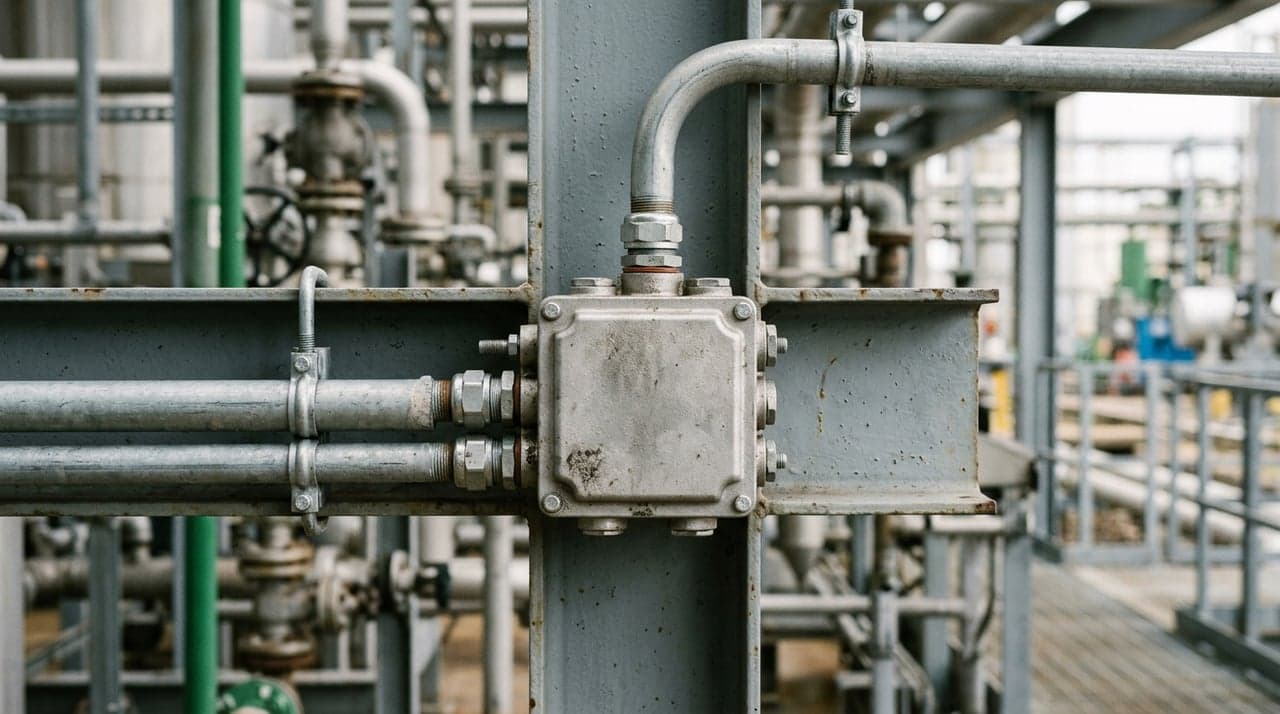
Hazardous Area Classification Training
Area classification drawings are frequently inherited, rarely re examined, and often wrong after a plant modification. This course teaches classification from source of release upward, covers both the IEC zone system and the North American division system, and addresses equipment selection and the inspection regime that keeps the protection valid.
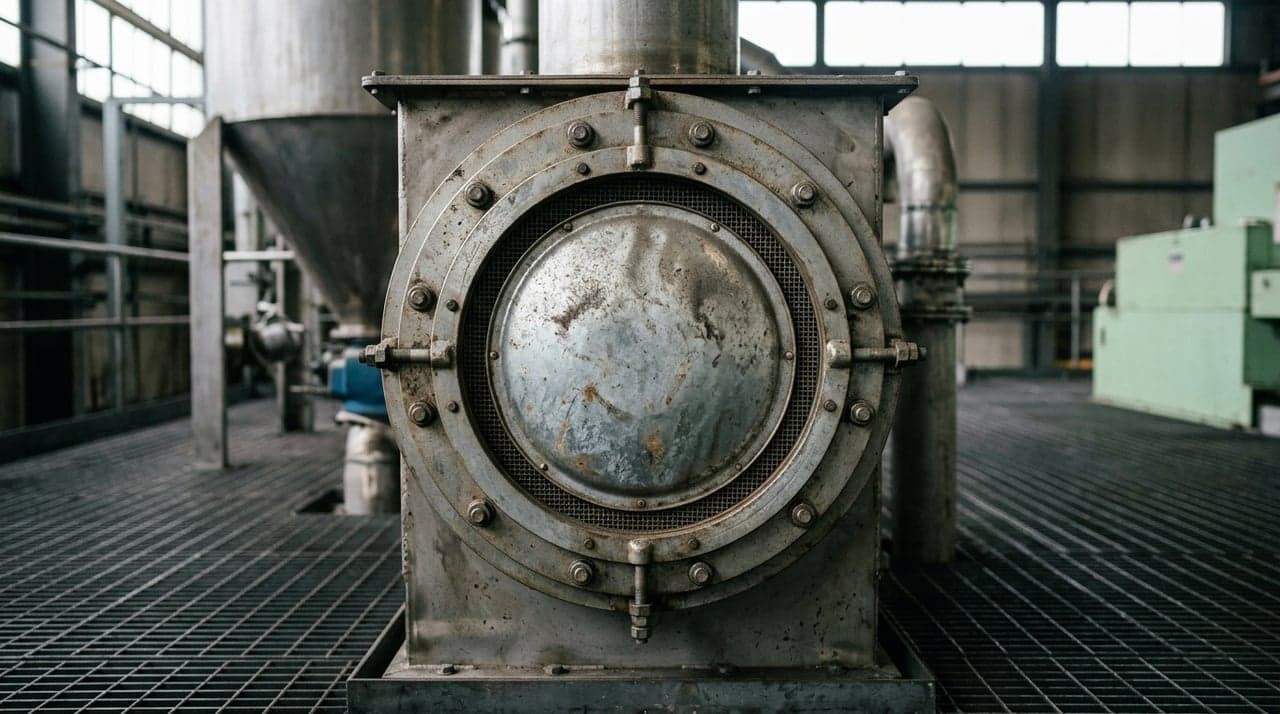
Fire and Explosion Protection Engineering
Covers the engineering of fire and explosion protection, from detection and suppression through to passive fire protection ratings and blast resistant design. The emphasis is on matching the protection to the modelled event rather than to a general specification.

Emergency Shutdown and Depressuring System Design
Emergency shutdown design covers more than a trip signal. This course addresses shutdown hierarchy and philosophy, isolation valve selection and fire survivability, depressuring rate calculation, and the consequences of a shutdown that leaves the plant in a worse state than it started.
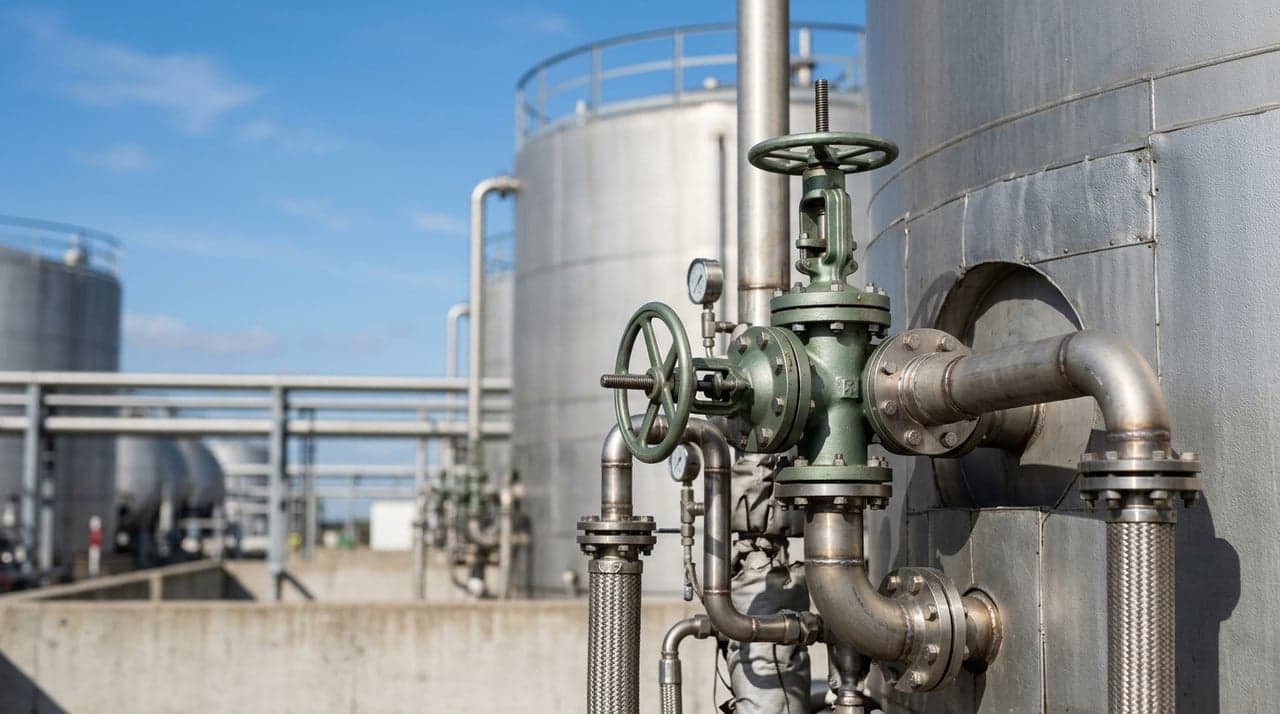
Hydrogen, Toxic Gas and Cryogenic Safety
Hydrogen, toxic gases and cryogenic fluids each break assumptions that hold for ordinary hydrocarbons. This course covers hydrogen embrittlement and its near invisible flame, toxic release and exposure endpoints, and the cold embrittlement, oxygen enrichment and rapid phase transition risks of cryogenic service.
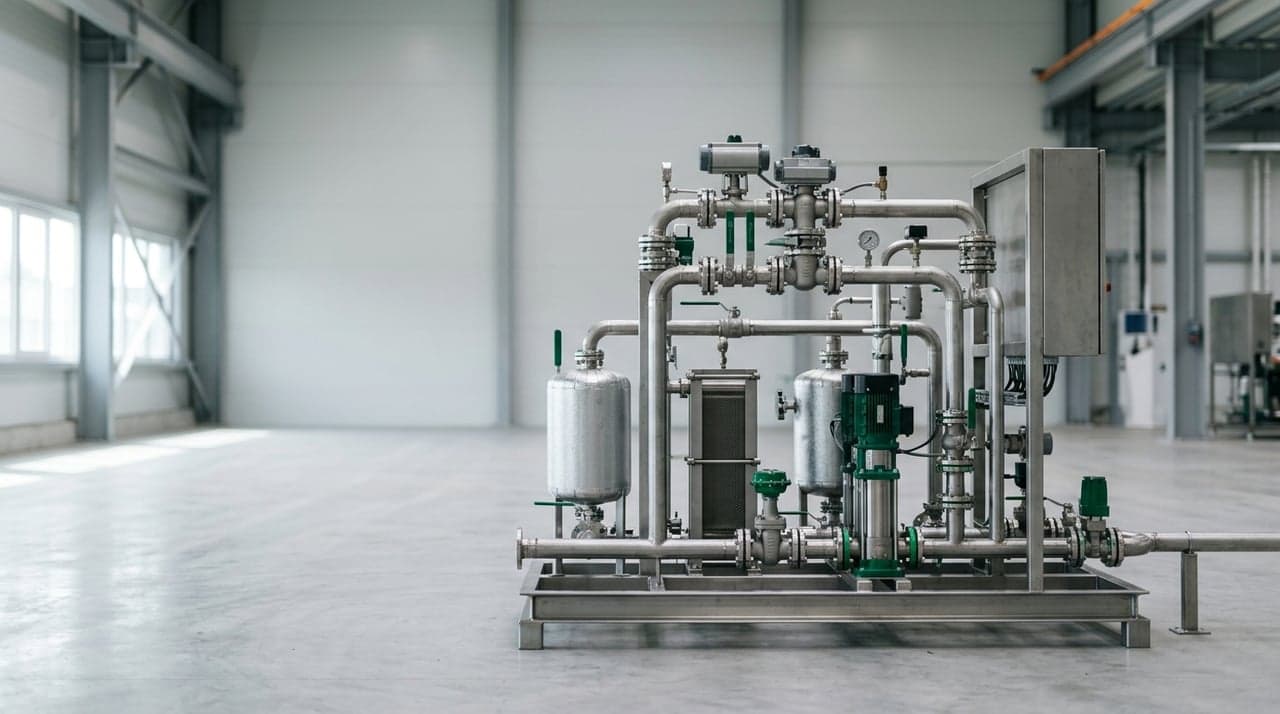
Inherent Safer Design and Safe Scale Up
Inherent safety is decided early and defended late. This course covers the four strategies of minimise, substitute, moderate and simplify, the project stages where each still has leverage, and the scale up decisions where laboratory chemistry meets plant scale heat transfer.
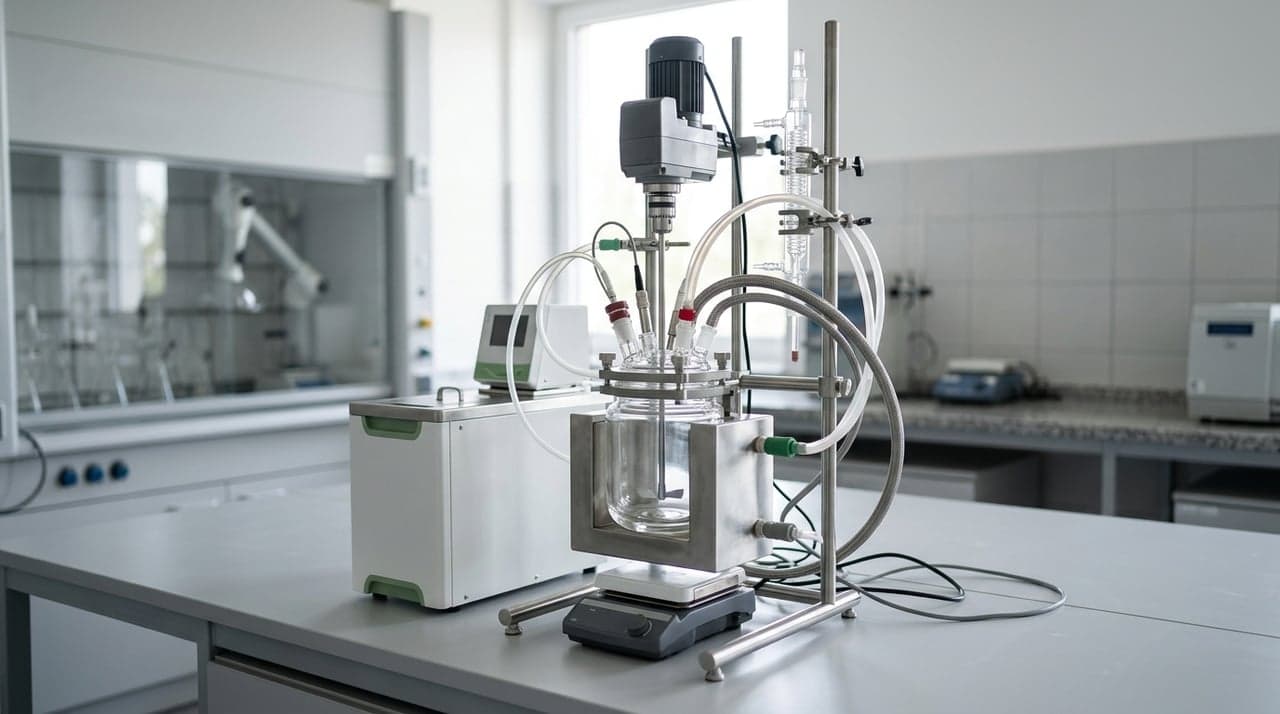
Reactive Chemistry and Thermal Hazard Workshop
Runaway reactions remain among the most destructive process incidents and the most predictable from testing. This workshop covers the four characteristic temperatures, criticality classification, calorimetry interpretation including the thermal inertia correction, and what the data means for relief sizing and basis of safety.
Dust Hazard Analysis Training
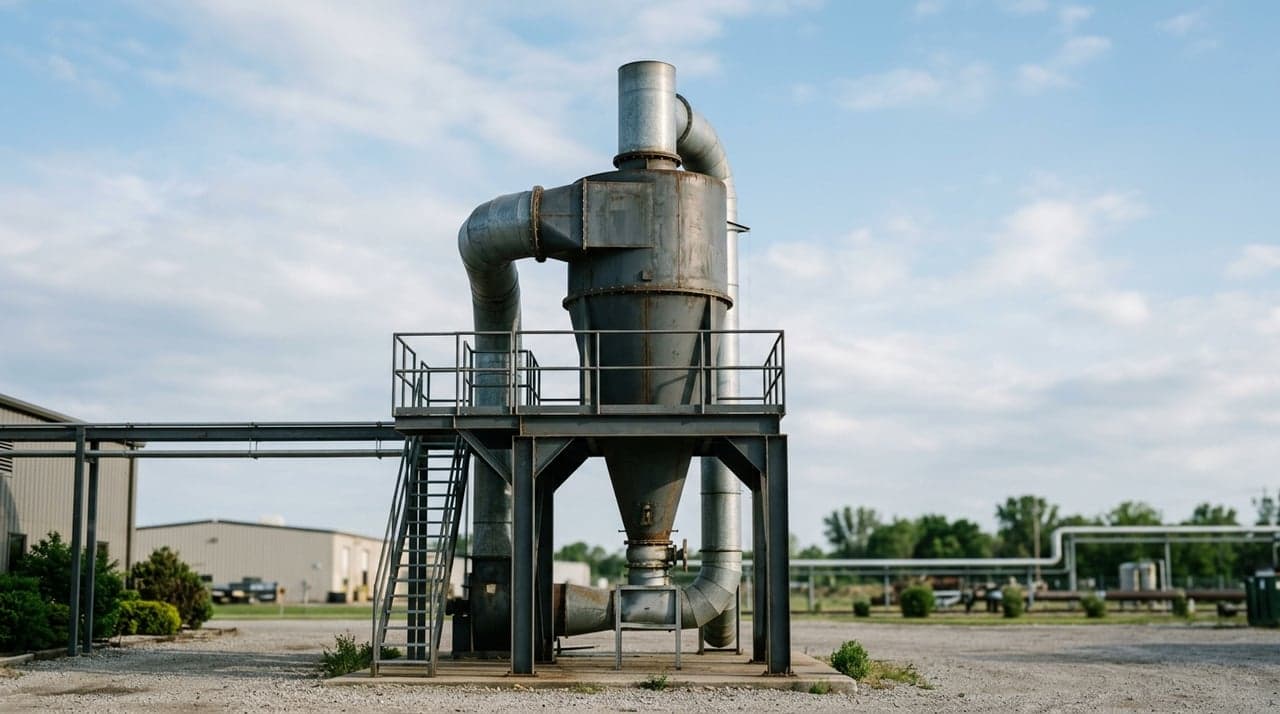
Covers the dust hazard analysis required for facilities handling combustible particulate solids. Delegates work through the cubic law and Kst classification, the properties that decide whether ignition is credible, and the layer accumulation calculation that separates a survivable primary event from a fatal secondary one.
Calorimetry and Dust Explosibility Testing
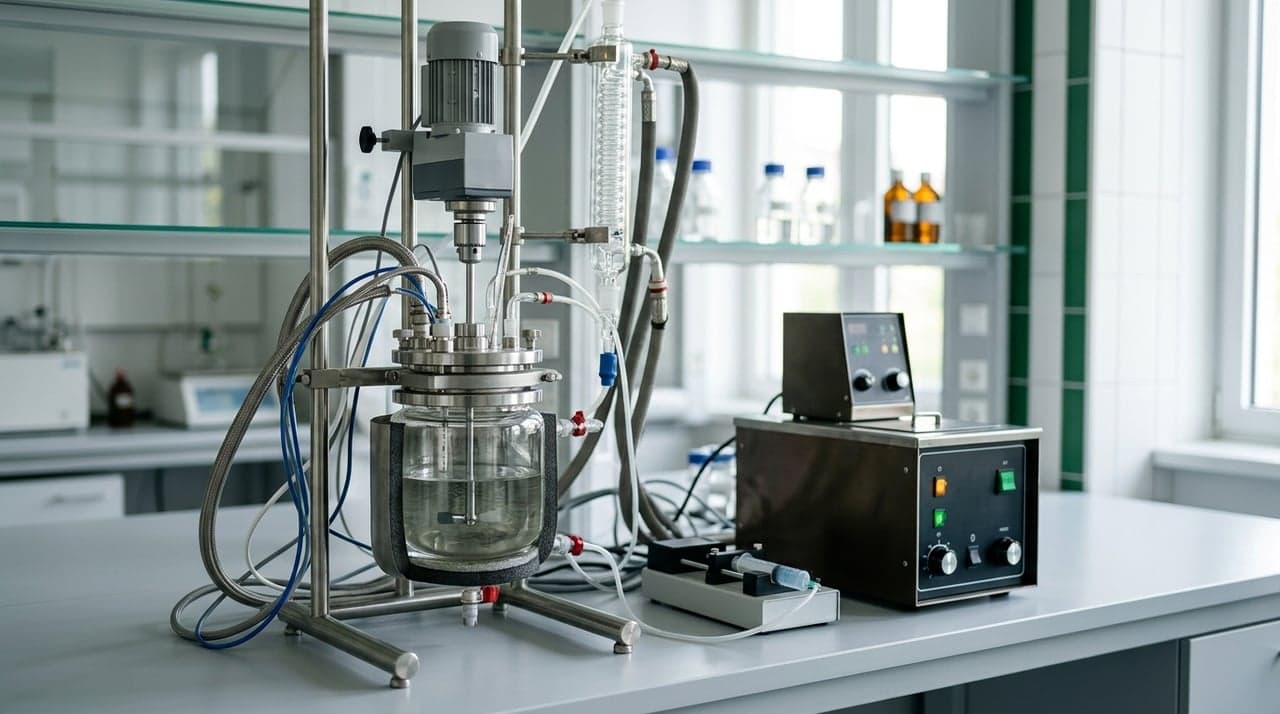
A practical course for engineers who specify laboratory testing and then have to interpret it. Covers what each calorimetric and explosibility test measures, what it assumes, the sample condition that must be right for the result to mean anything, and the common misreadings of test reports.
Chemical Handling, Storage and Compatibility
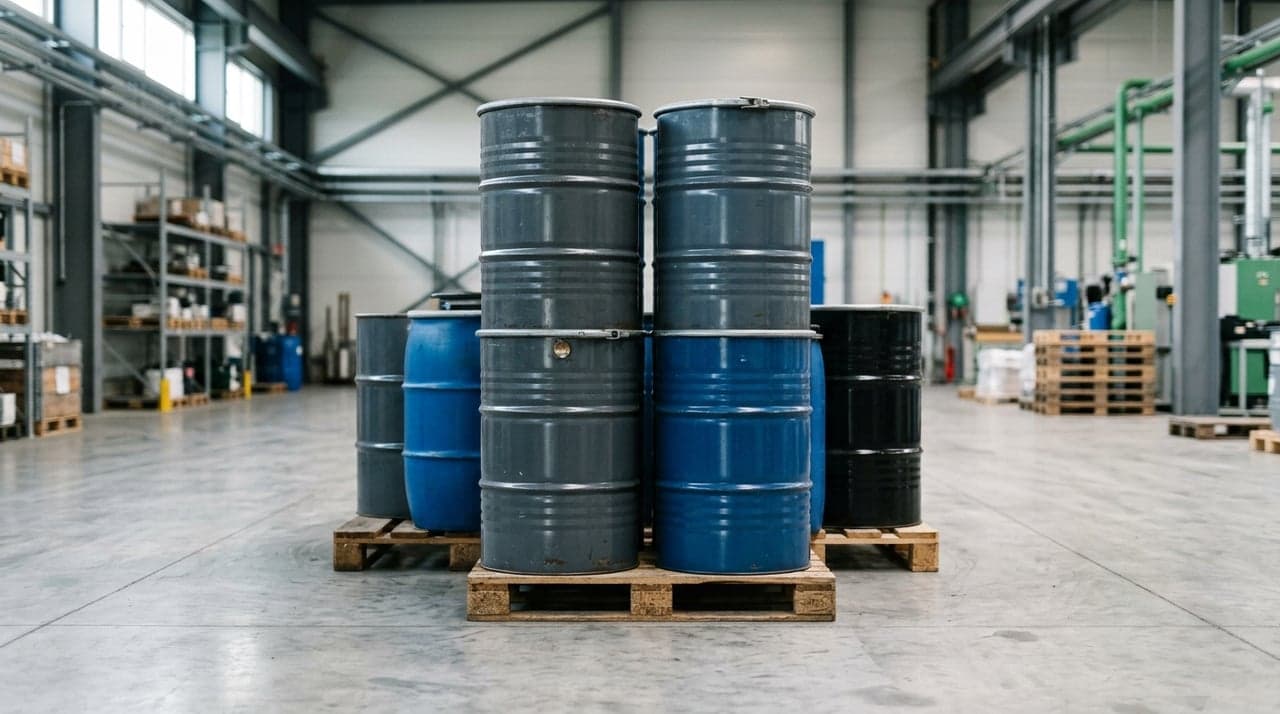
Incompatible storage causes incidents that are entirely foreseeable from a compatibility chart. This course covers hazard classification, segregation distances, bunding and drainage, and the compatibility assessment that should govern where material is placed.

SDS Authoring, GHS Classification and Chemical Regulatory Compliance
Covers classification of substances and mixtures under GHS, authoring a safety data sheet that is both compliant and usable, and the obligations under the major chemical regulatory regimes including REACH, TSCA and the Indian MSIHC Rules.
Risk Based Process Safety Framework
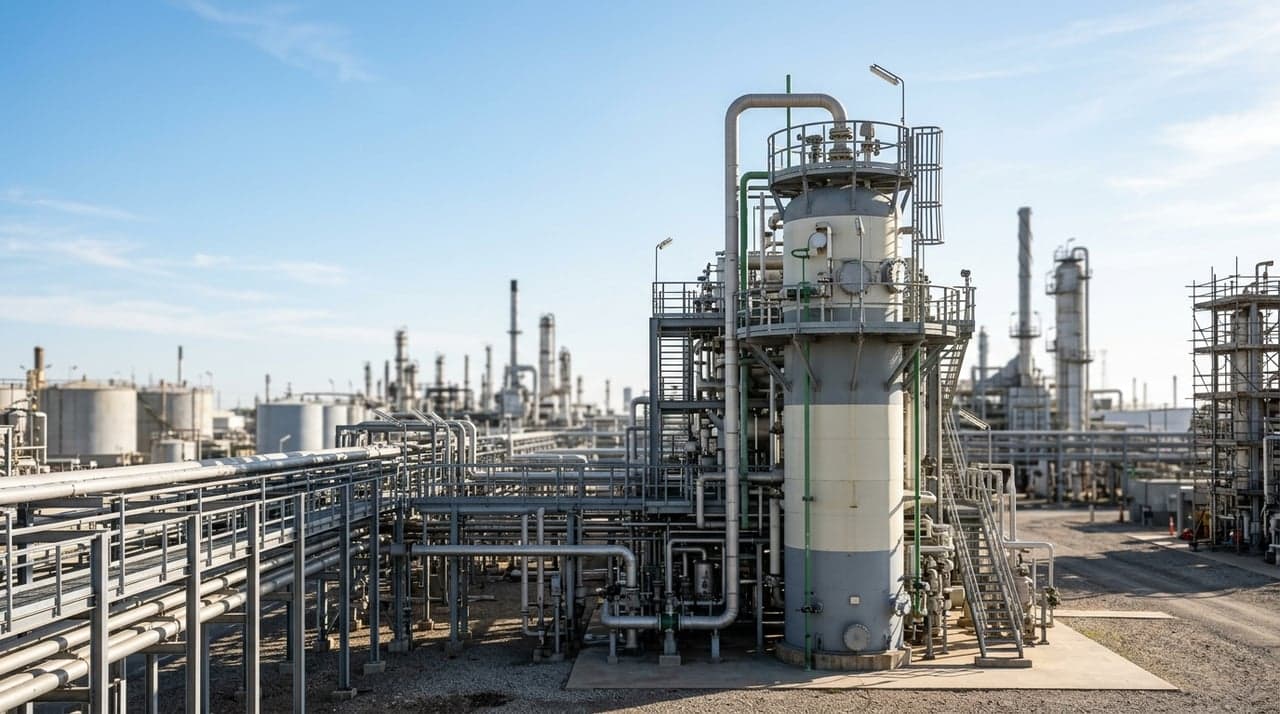
The CCPS Risk Based Process Safety framework organises process safety into twenty elements across four pillars. This course covers each element, what good looks like in practice, and how to run a gap assessment that produces a prioritised improvement plan rather than a scoring exercise.
OSHA PSM Implementation and Responsible Care
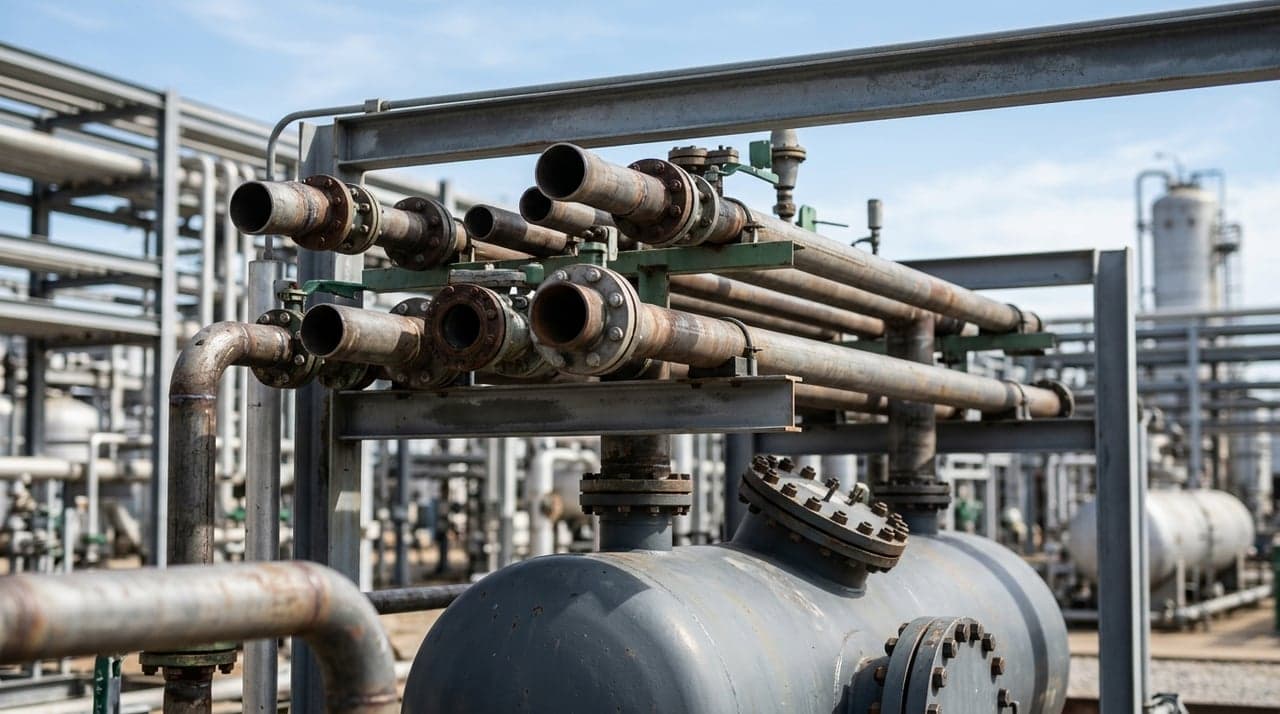
Covers the OSHA process safety management standard element by element, what compliance evidence each requires, and the citation patterns that reveal where sites most often fall short. Also covers the Responsible Care process safety code and how it extends beyond the regulatory minimum.
ISO 45001 and ISO 14001 Management Systems
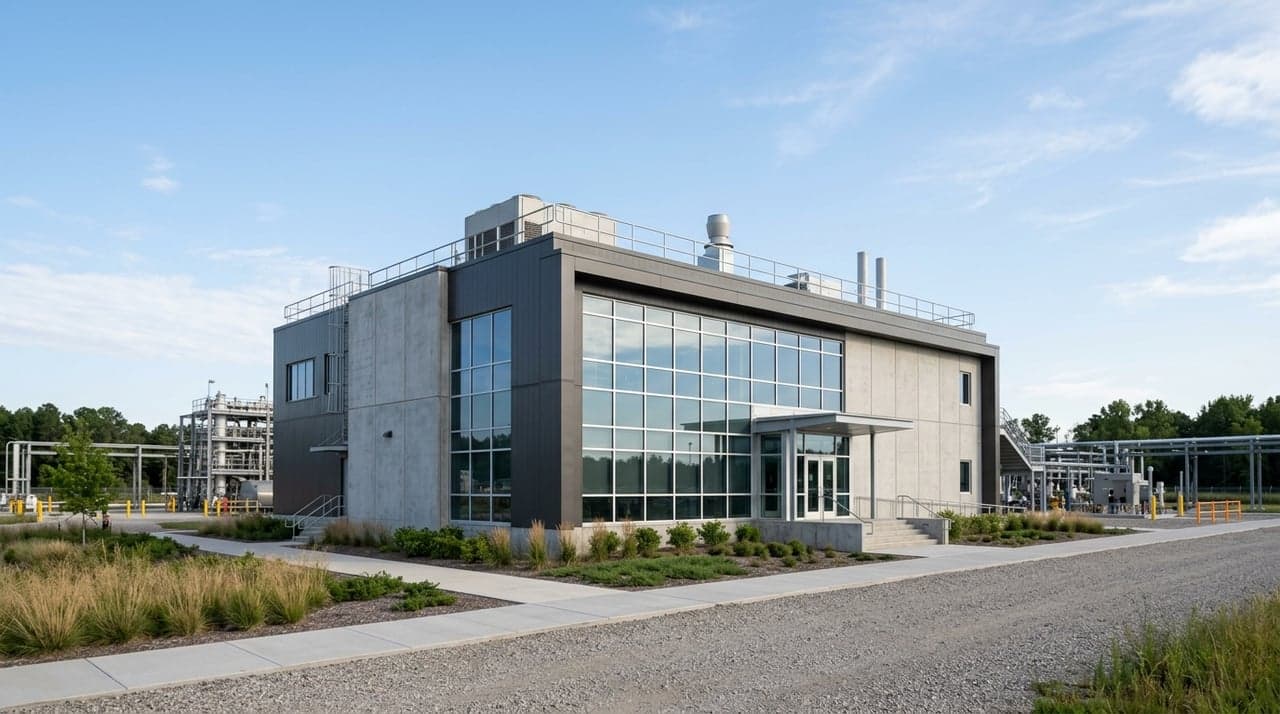
Covers both the occupational health and safety and the environmental management system standards, their shared high level structure, and the internal audit discipline that keeps a certified system real rather than reactivated a month before each surveillance visit.

Indian Major Hazard Regulatory Compliance
Built for sites operating in India. Covers the Manufacture, Storage and Import of Hazardous Chemical Rules, the Factories Act safety report and on site emergency plan duties under section 41B, and the interaction with state factory inspectorates and the PESO and CPCB regimes.
Management of Change and Pre Startup Safety Review
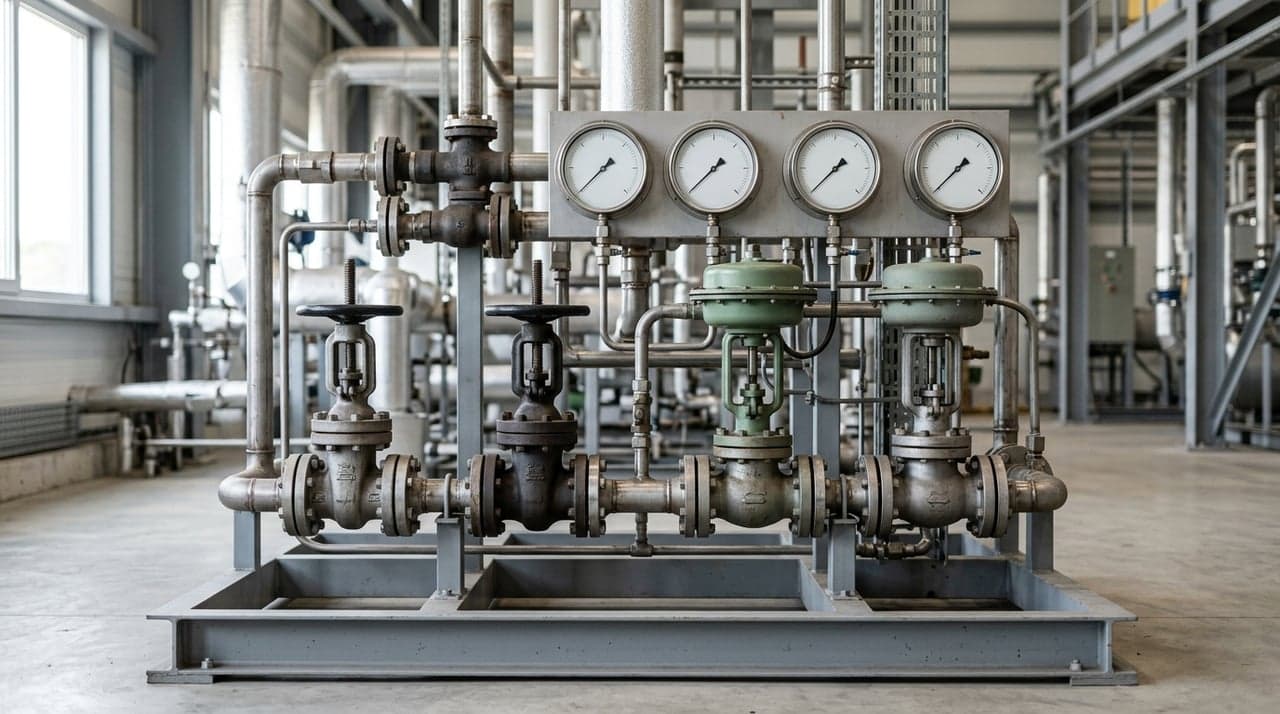
Management of change fails most often because a change was never entered into the system. This workshop covers change recognition, technical review depth, temporary change control and the pre startup safety review that provides the last check before hazardous material is introduced.
Incident Investigation and Root Cause Analysis
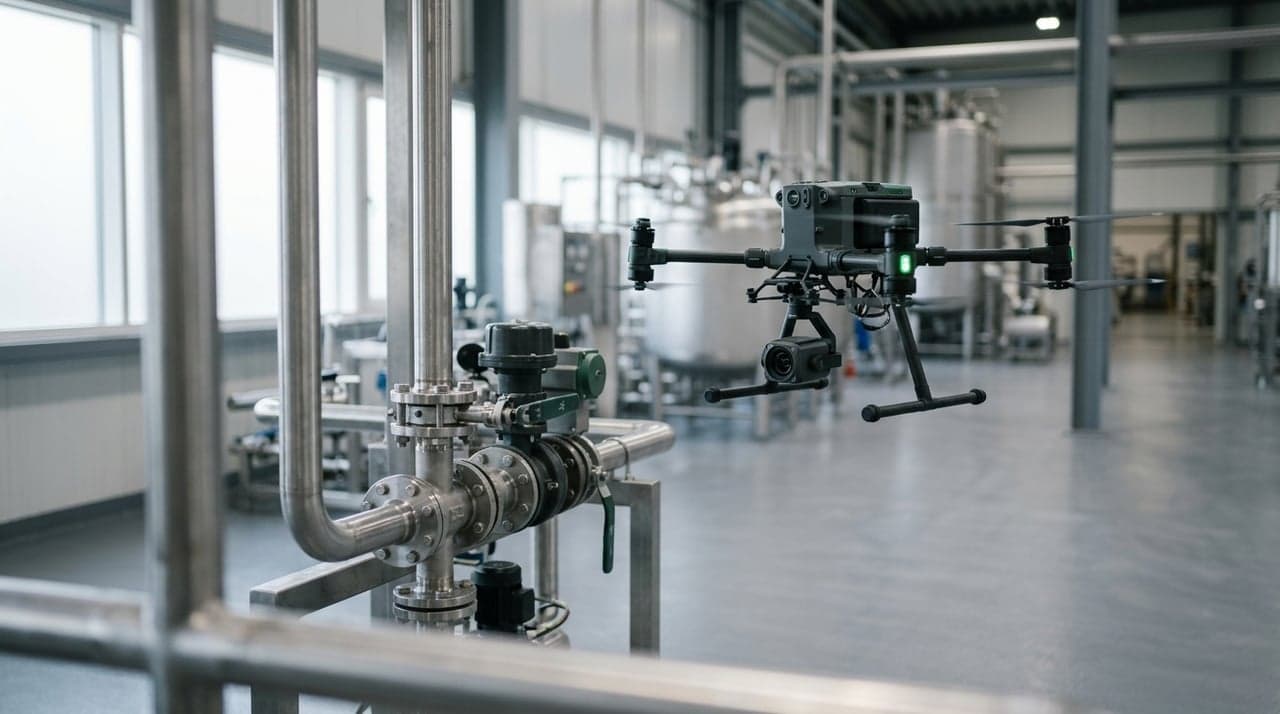
Structured investigation methods including causal tree and event and causal factor charting, applied to real cases. The course also covers the just culture question of how to judge an individual's actions fairly, using the substitution test, so that investigations keep producing information rather than blame.
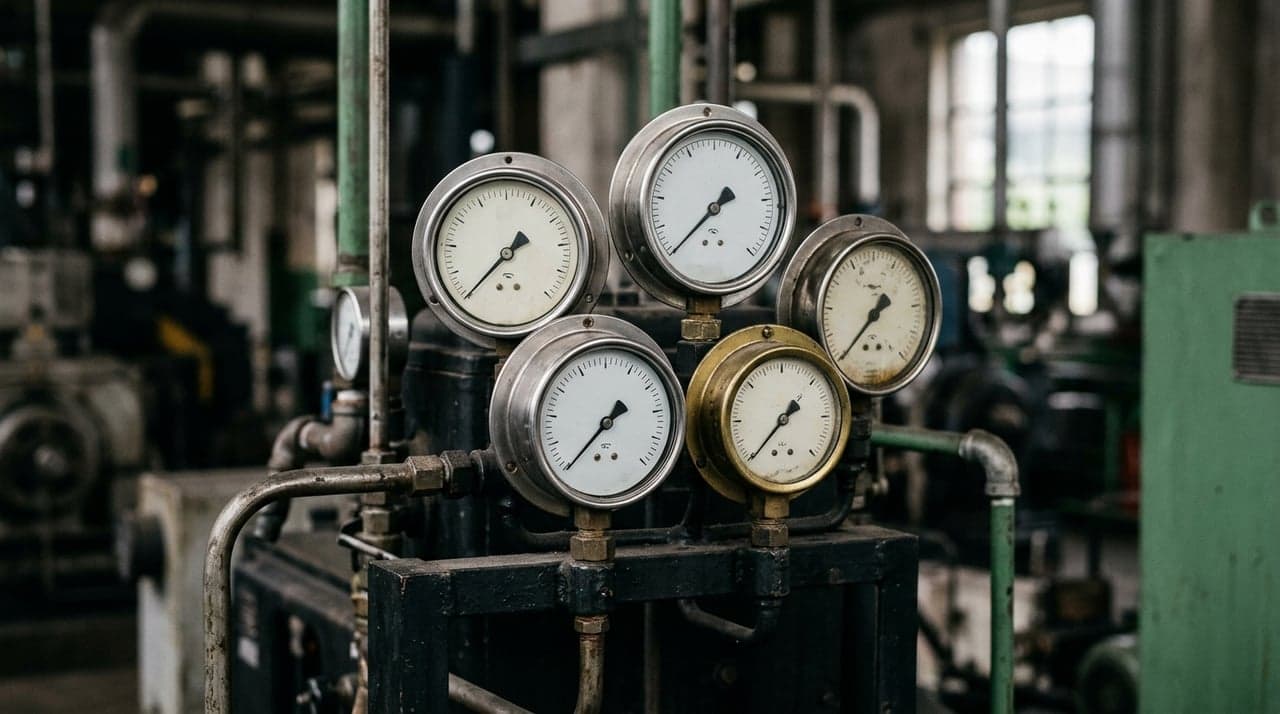
Process Safety Performance Indicators
Personal injury rates say almost nothing about major accident risk, as Texas City demonstrated. This course covers the tiered indicator structure in API RP 754, how to select leading indicators that reflect barrier health, and how to report them so they change decisions.
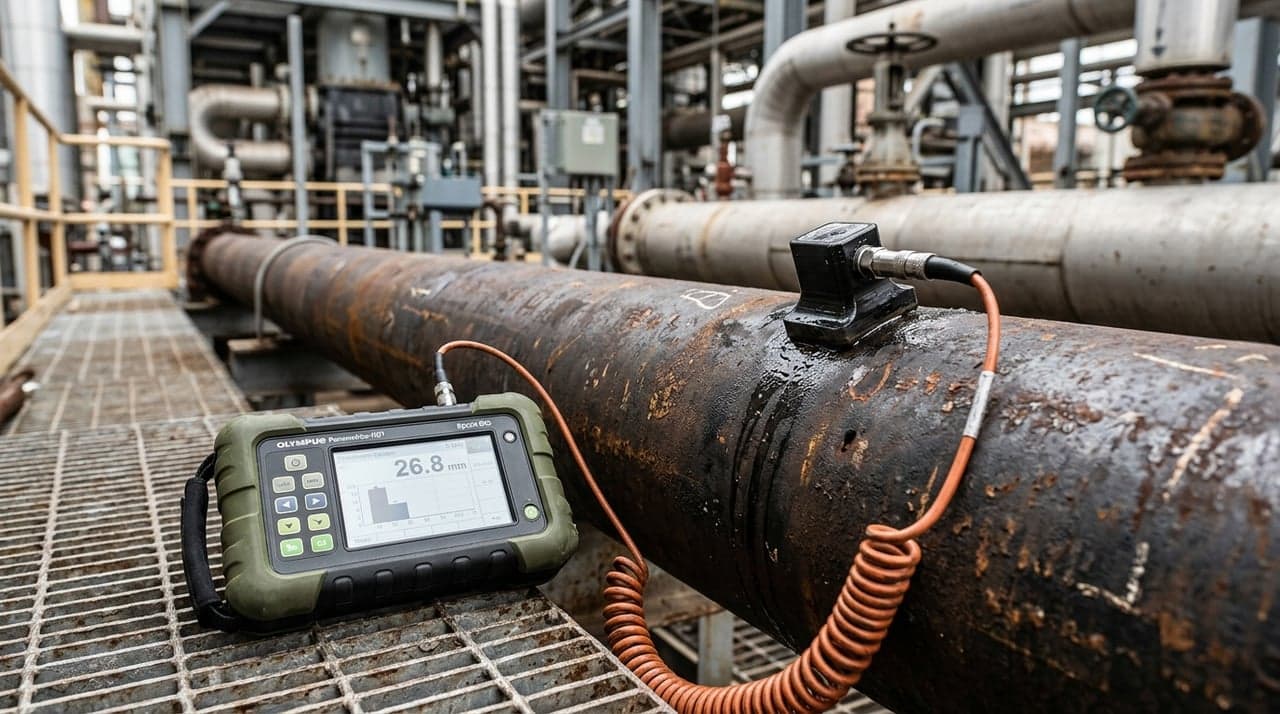
Risk Based Inspection Training
Covers the API risk based inspection methodology, damage mechanism identification, probability and consequence of failure assessment, and the inspection planning that follows. The emphasis is on producing a plan that changes what gets inspected rather than confirming the existing schedule.
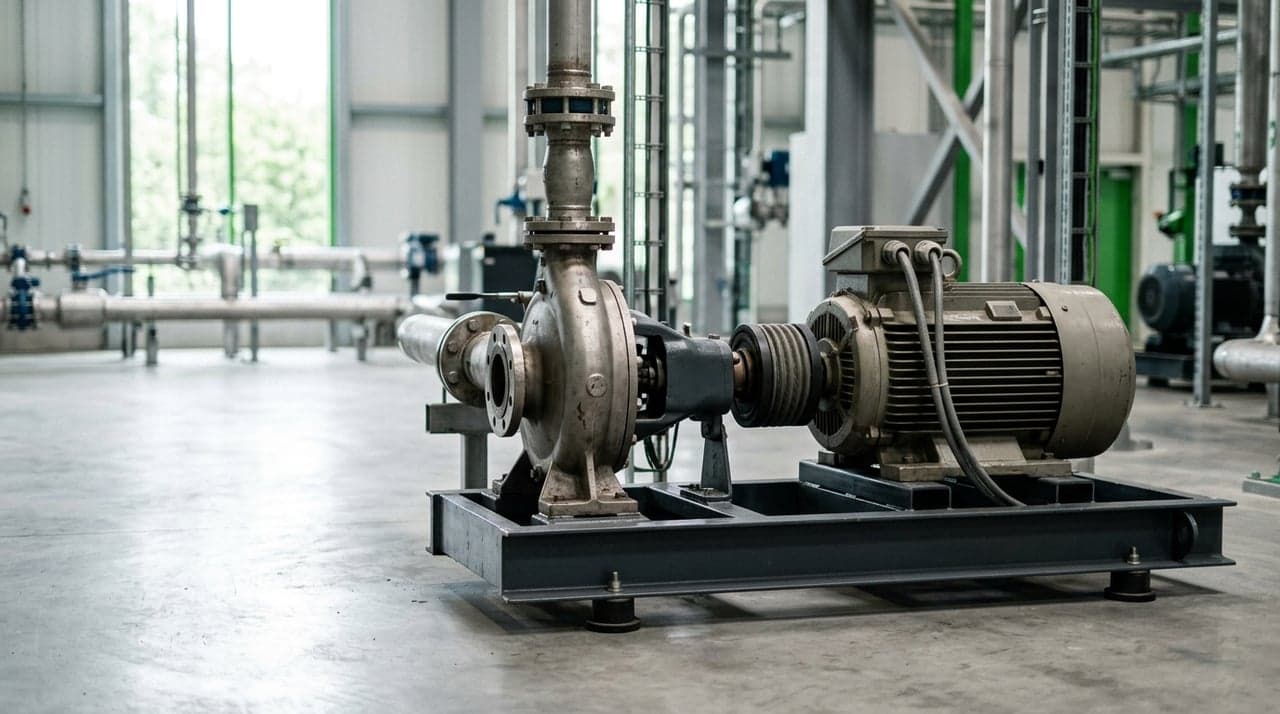
Reliability Centred Maintenance Training
Covers the RCM process from function definition through failure mode and effect analysis to task selection, following the SAE JA1011 criteria. Delegates learn to distinguish a genuine RCM analysis from the streamlined versions that skip the questions that matter.
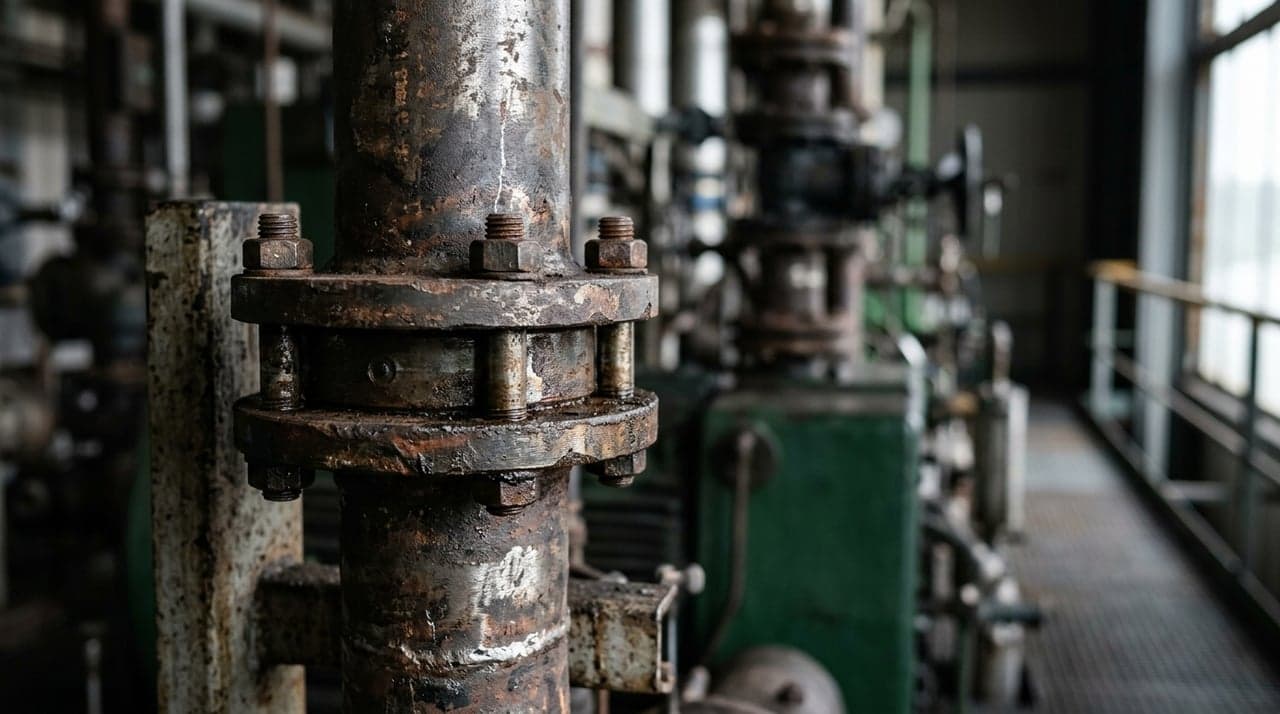
Fitness for Service Assessment
When inspection finds damage, the question is whether the equipment can continue in service. This course covers the API 579 assessment levels, the flaw types they address, and the remaining life calculation that sets the next inspection date.
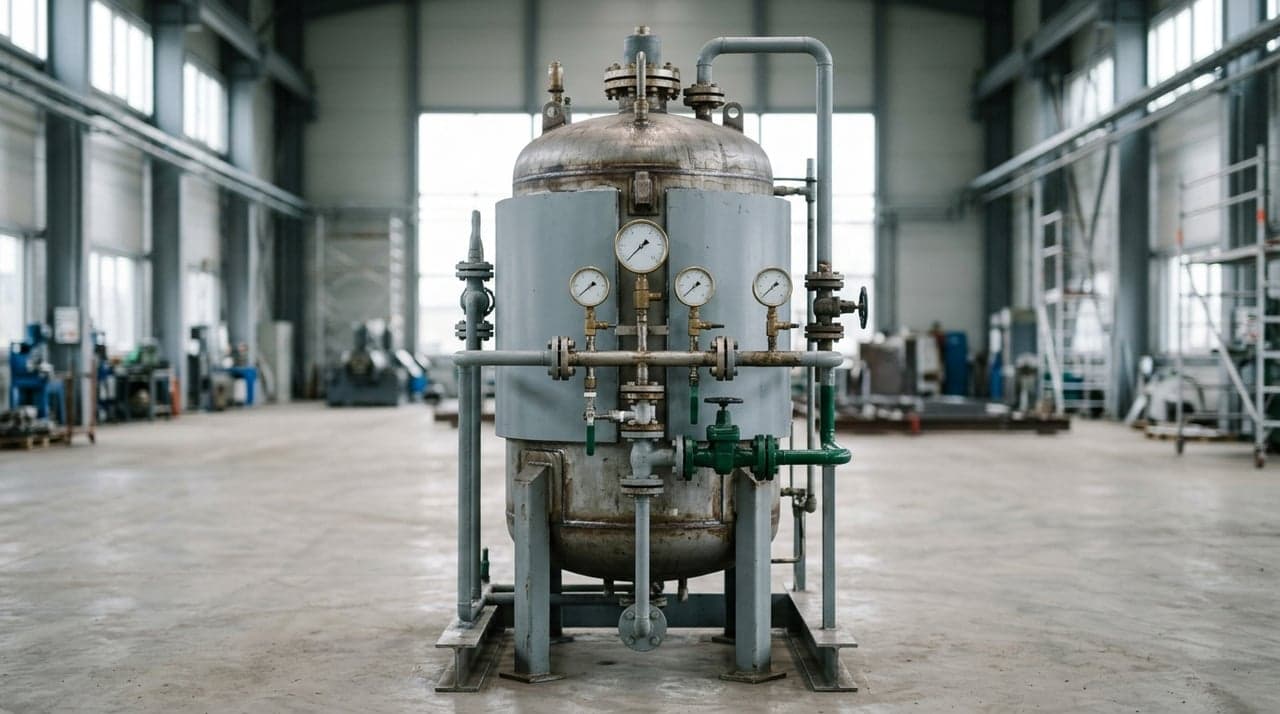
Mechanical Integrity and Integrity Operating Windows
Integrity operating windows make the link between process conditions and damage rate explicit and actionable. This course covers mechanical integrity programme design and the establishment of operating limits that operations can actually monitor and respond to.
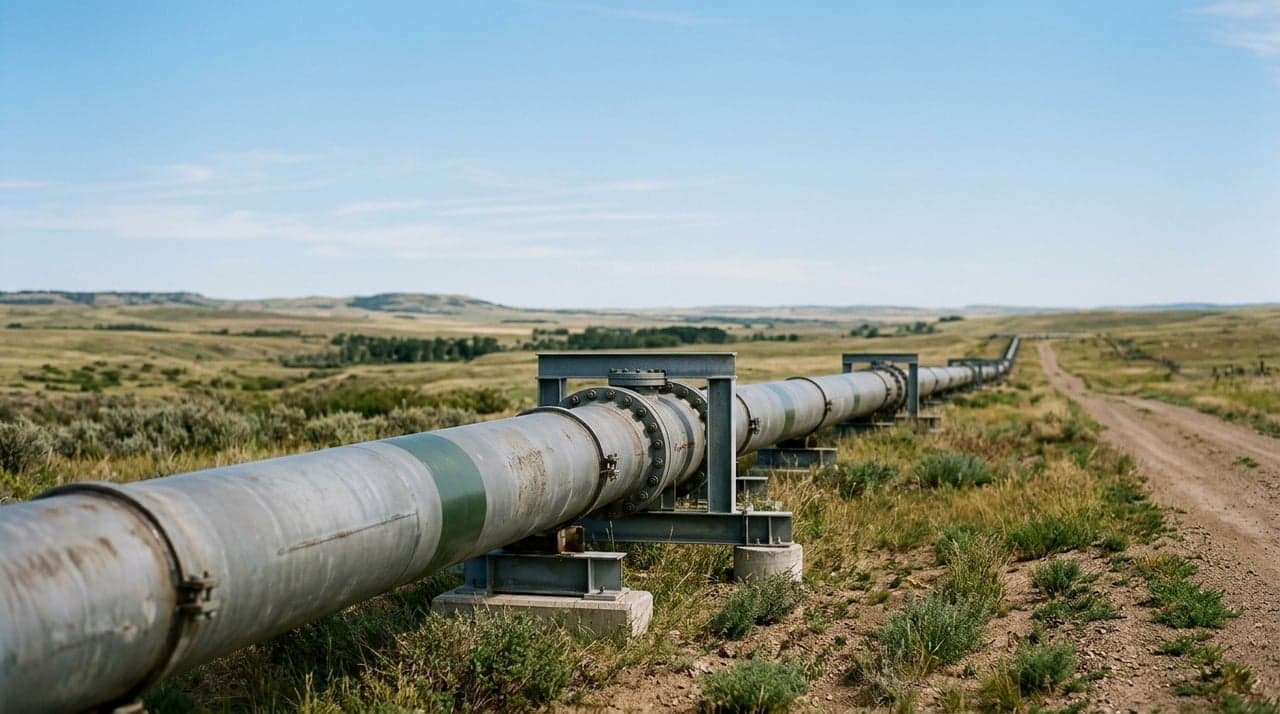
Pipeline Integrity Management
Covers integrity management for transmission and distribution pipelines, including threat identification, high consequence area determination, inline inspection data interpretation and the assessment intervals set by the applicable regulation.

Behaviour Based Safety Observer Training
Behaviour based safety programmes usually fail because observation becomes a quota and the conversation becomes a correction. This course trains observers to see what is actually happening, hold a conversation people will engage with, and feed conditions back into the system rather than blaming the individual.
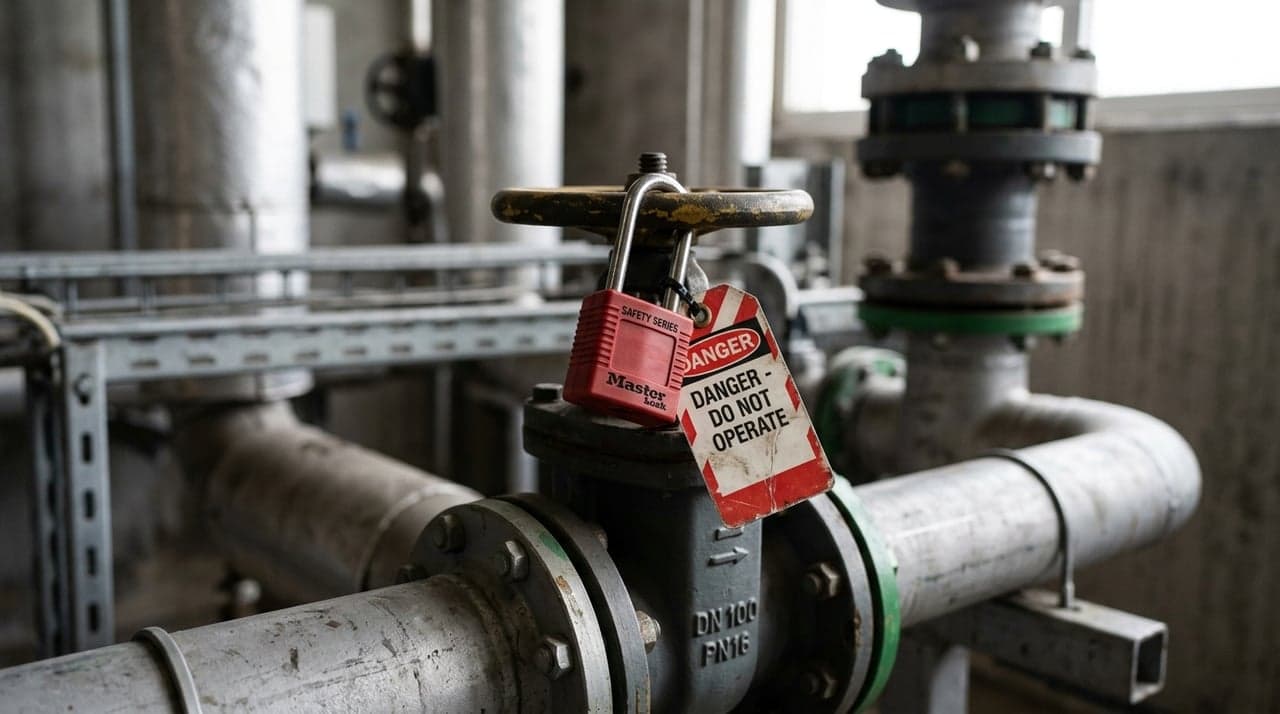
Permit to Work Systems
Permit systems are among the most consistently implicated controls in fatal incidents. This course covers permit design, hazard specific requirements for hot work, confined space entry and energy isolation, and the failures in issue, handover and closure that recur across industries.
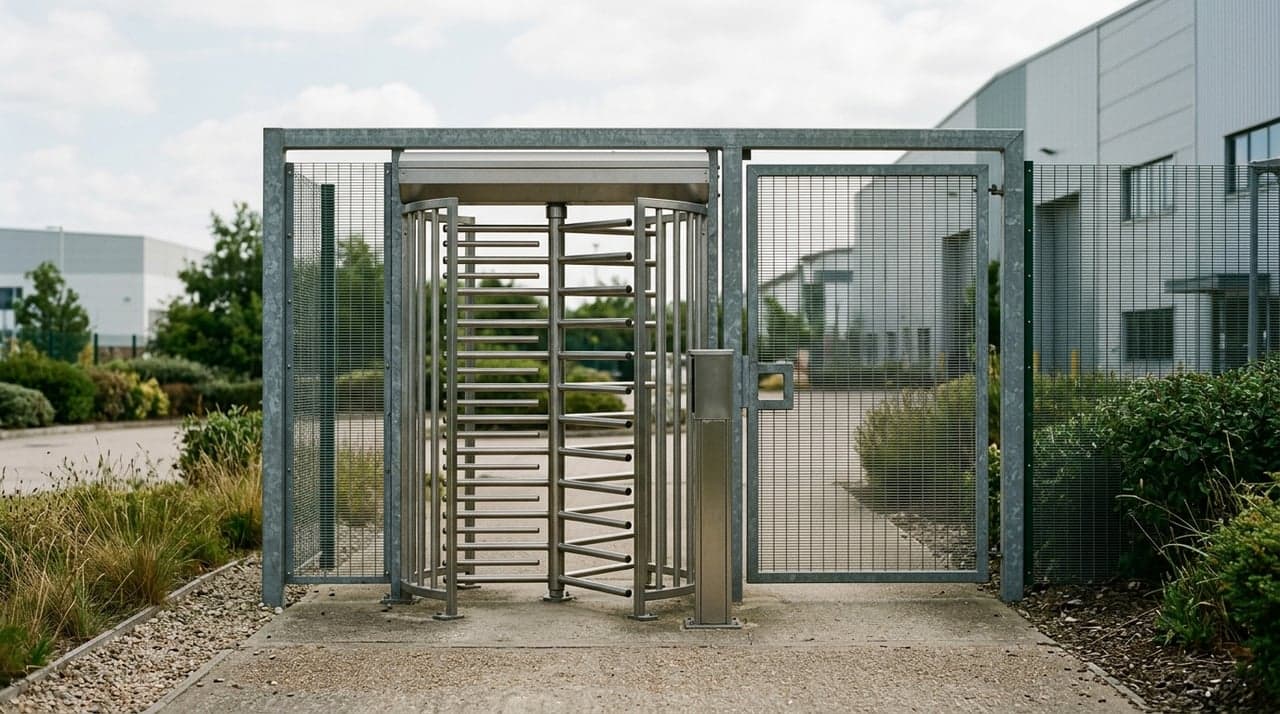
Contractor Safety Management
Contractors carry out much of the highest risk work on operating sites, and the interface between host and contractor is where responsibility most often falls into a gap. This course covers prequalification, contract requirements, orientation, supervision and performance evaluation.
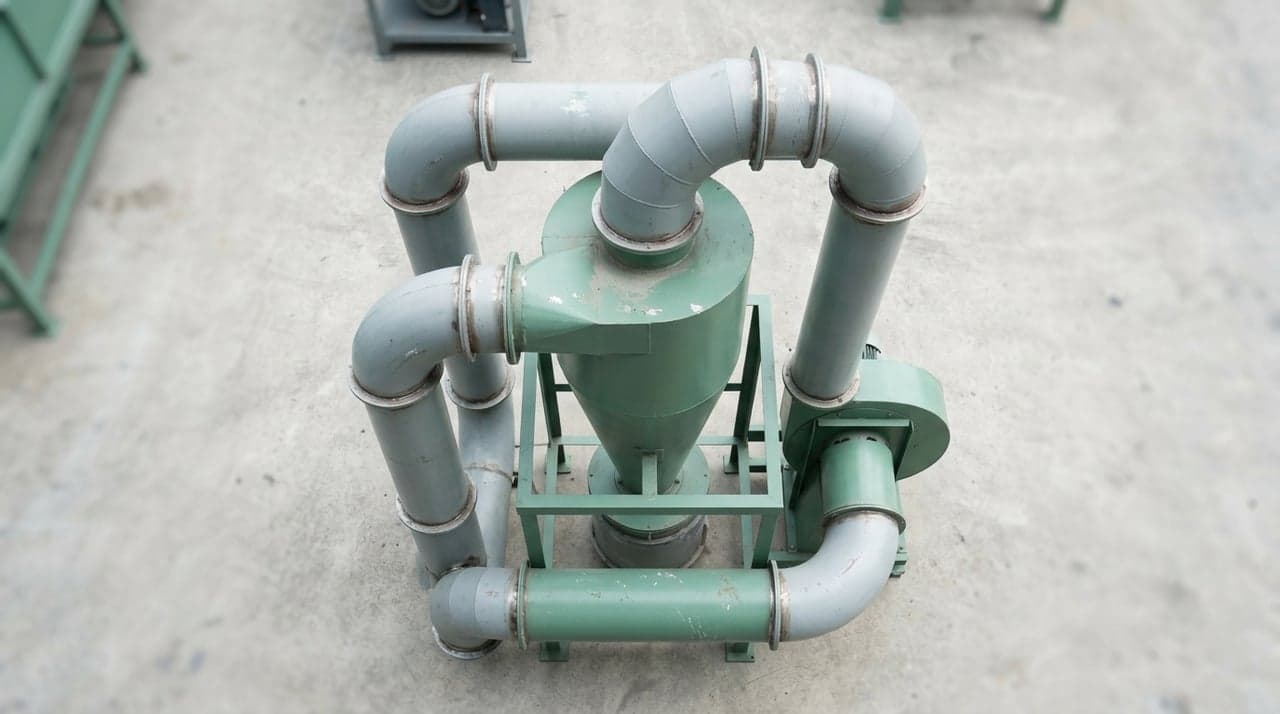
Industrial Hygiene Fundamentals and Exposure Monitoring
Covers the industrial hygiene discipline from hazard recognition through exposure assessment, including similar exposure group definition, sampling strategy, statistical interpretation against occupational exposure limits, and the benchmarking that decides whether a control is required.
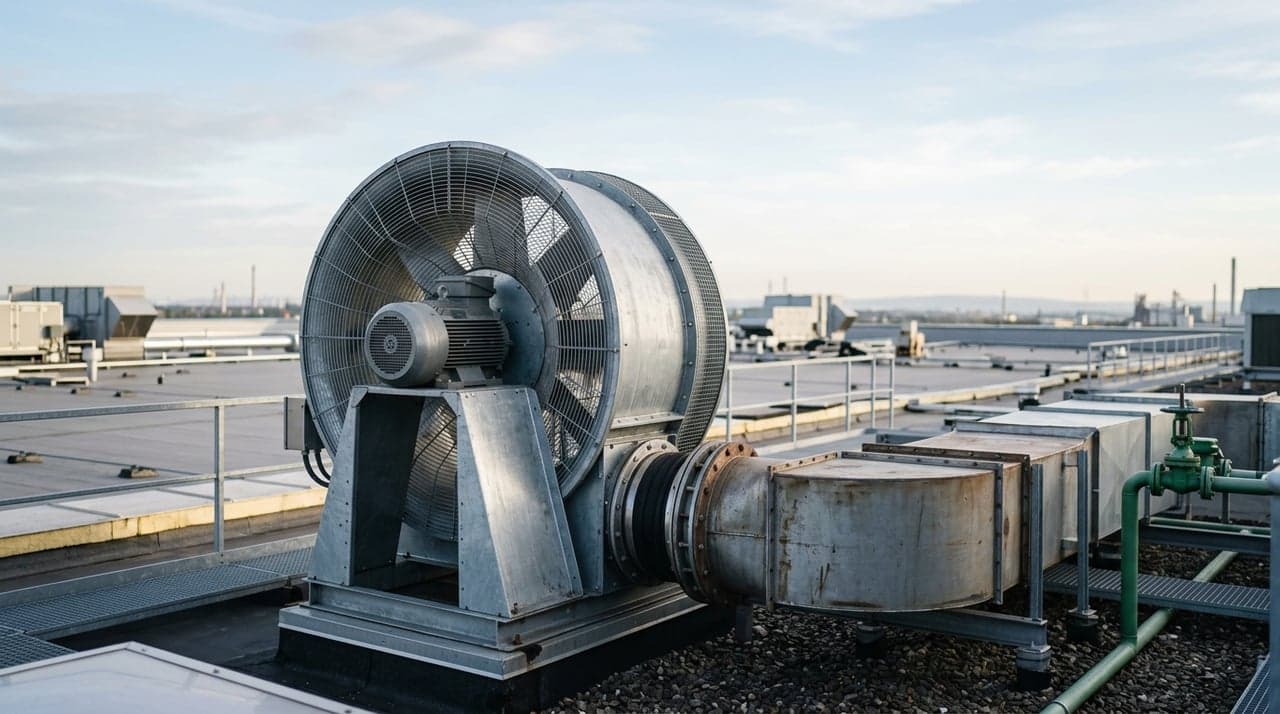
Noise, Ventilation and Thermal Stress Controls
Covers noise mapping and hearing conservation, local exhaust ventilation design and validation, and thermal stress assessment. The emphasis throughout is on engineering control performance and the testing that proves a control is working rather than merely installed.
Ergonomics Assessment and PPE Programme Design
Combines musculoskeletal risk assessment with the design of a personal protective equipment programme. Both are areas where a control is commonly assumed effective without ever being verified, and both are covered here with the assessment tools and fit testing that provide evidence.
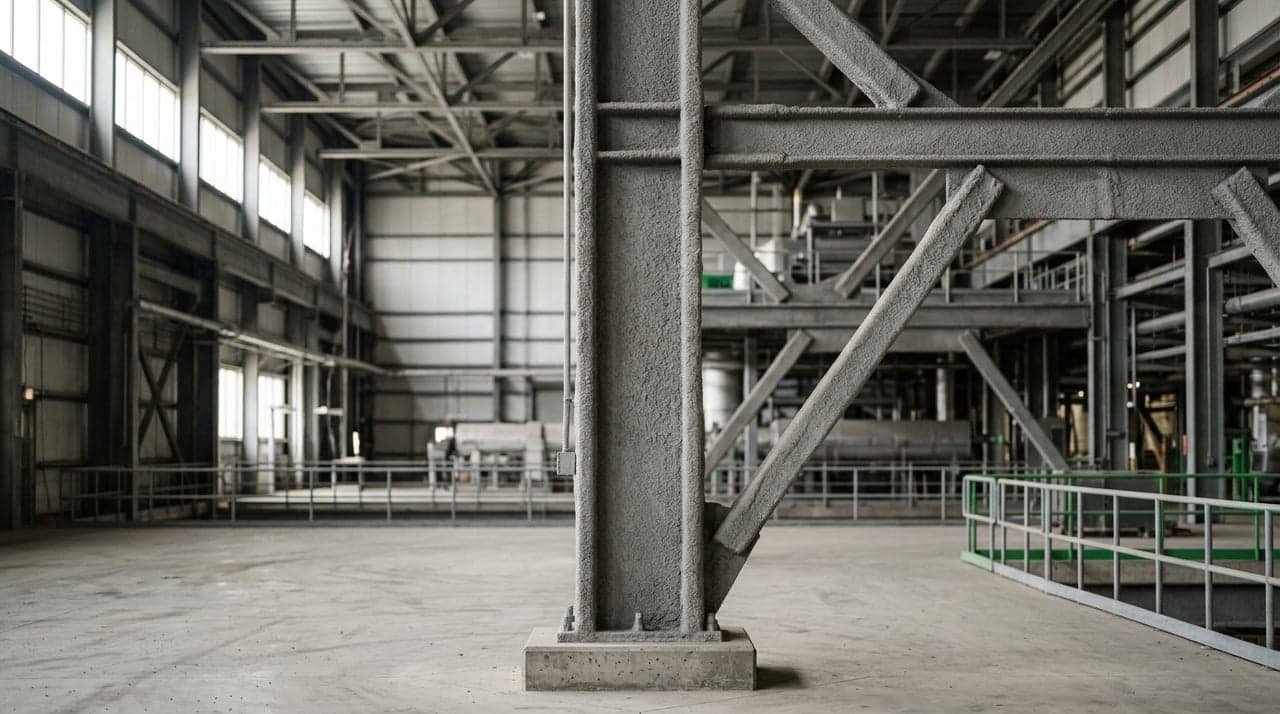
Fire Risk Assessment Training
Covers structured fire risk assessment for industrial premises, combining ignition source and fuel load assessment with means of escape, detection, suppression and the management arrangements that determine whether any of it works on the day.
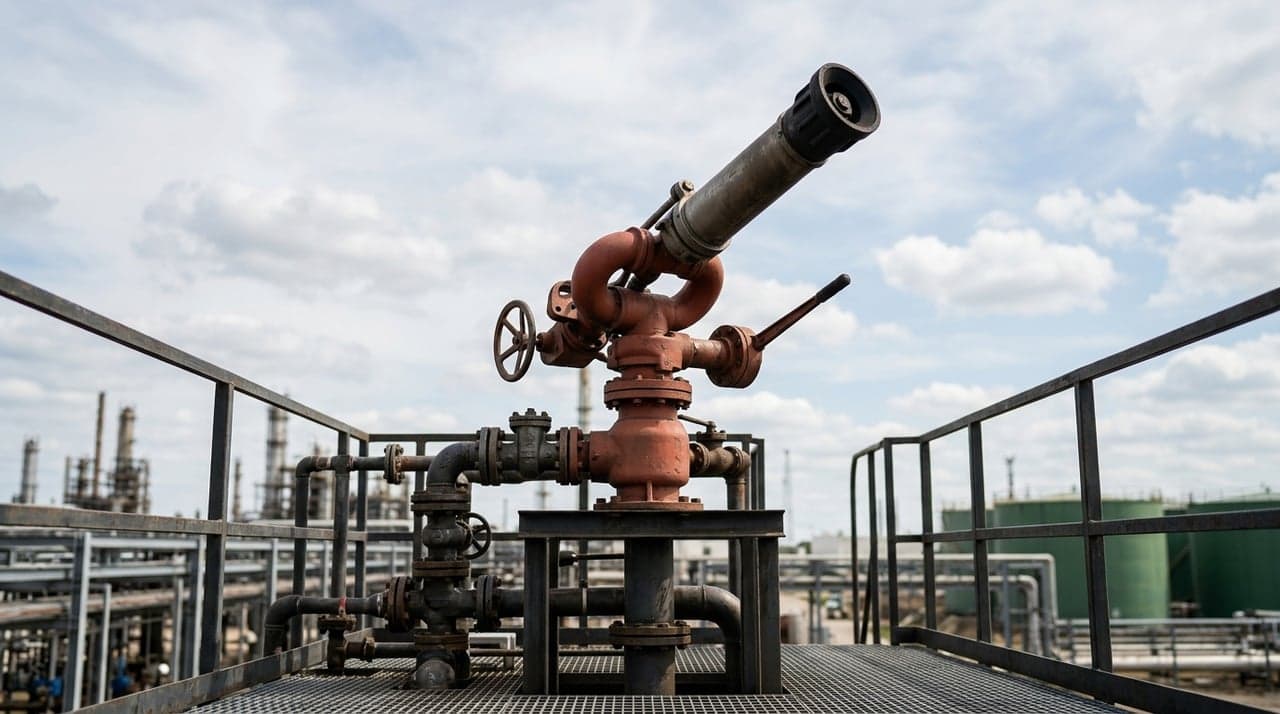
Firewater Hydraulics and Water Supply Design
Firewater systems are frequently designed for a demand that was never recalculated after the plant grew. This course covers demand determination, hydraulic network analysis, pump selection and testing, and the storage duration that the design scenario actually requires.
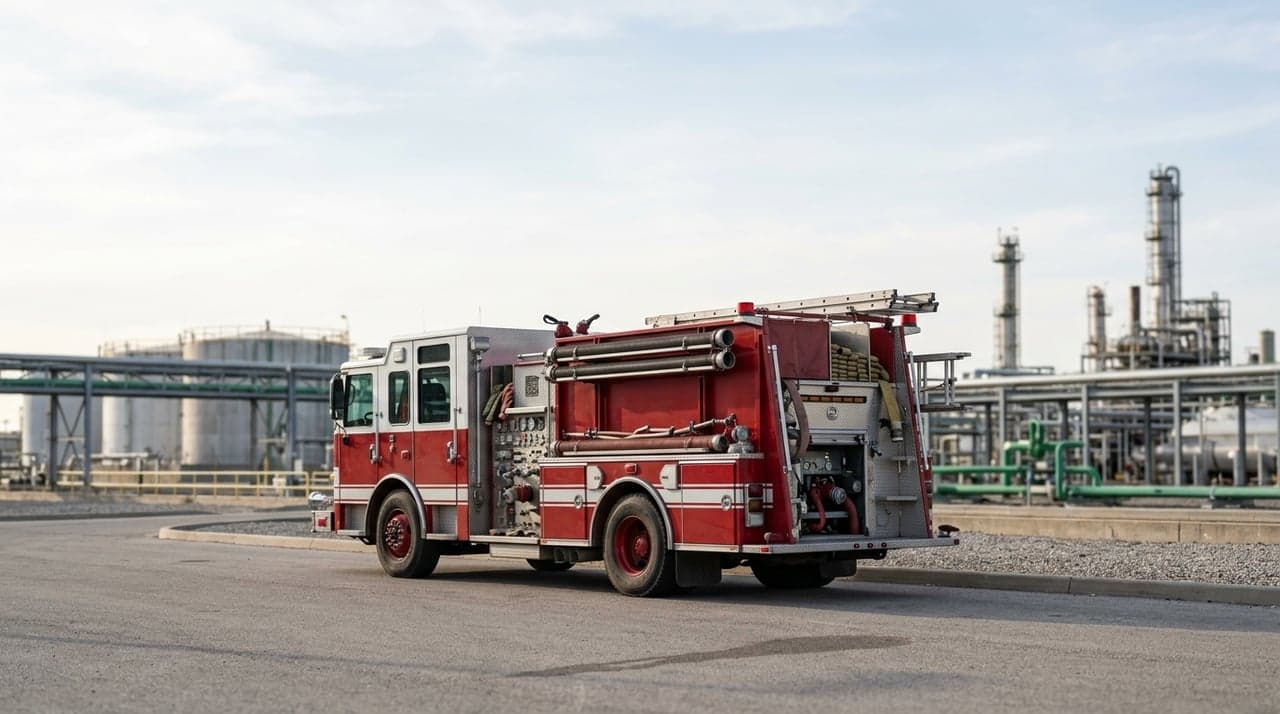
Emergency Response Planning and Drills
Covers on site and off site emergency planning, scenario selection, resource and role definition, and the drill programme that exposes weakness before an event does. Includes simulator based and tabletop exercise design with objective evaluation.
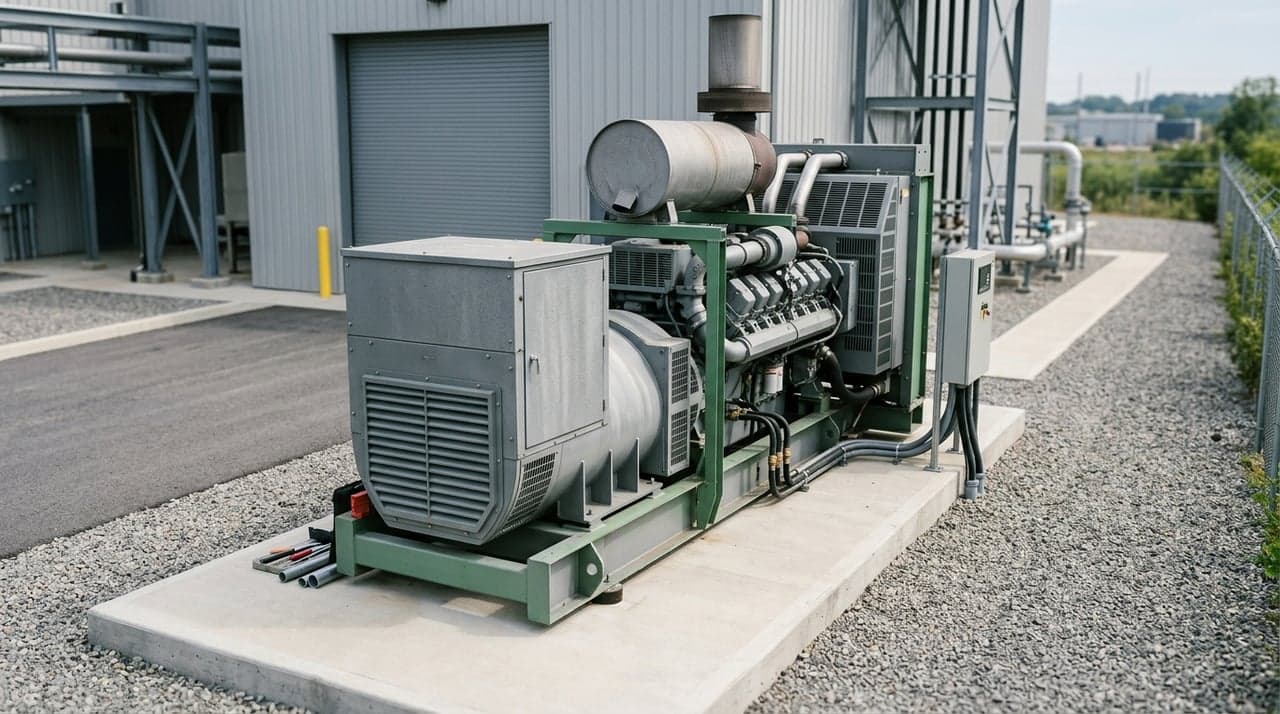
Crisis Management and Business Continuity
Crisis management deals with what the emergency response team does not, which is stakeholders, media, regulators, families and the continuity of the business. This course covers crisis team structure, communication under scrutiny, and business continuity planning to ISO 22301.
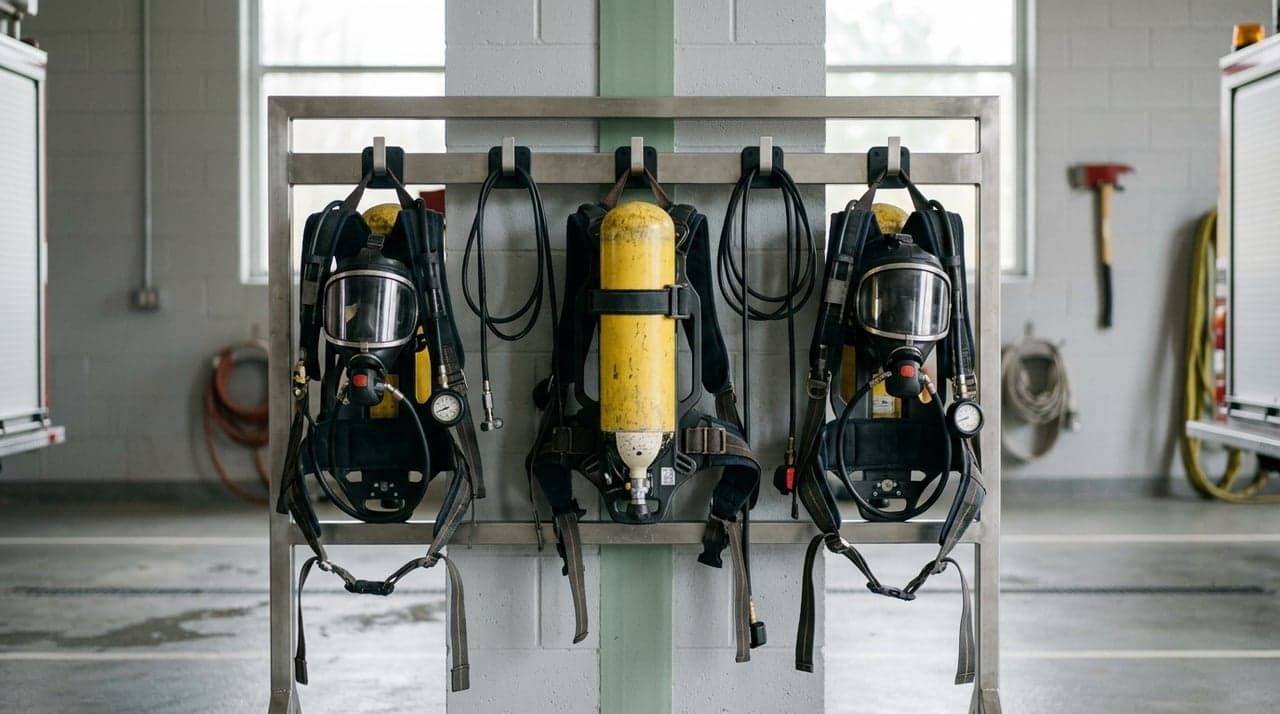
Incident Command and Hazmat Response
Covers the incident command system as a scalable structure for managing response, together with hazardous materials response competencies from awareness through technician level, including identification, protective equipment selection and decontamination.
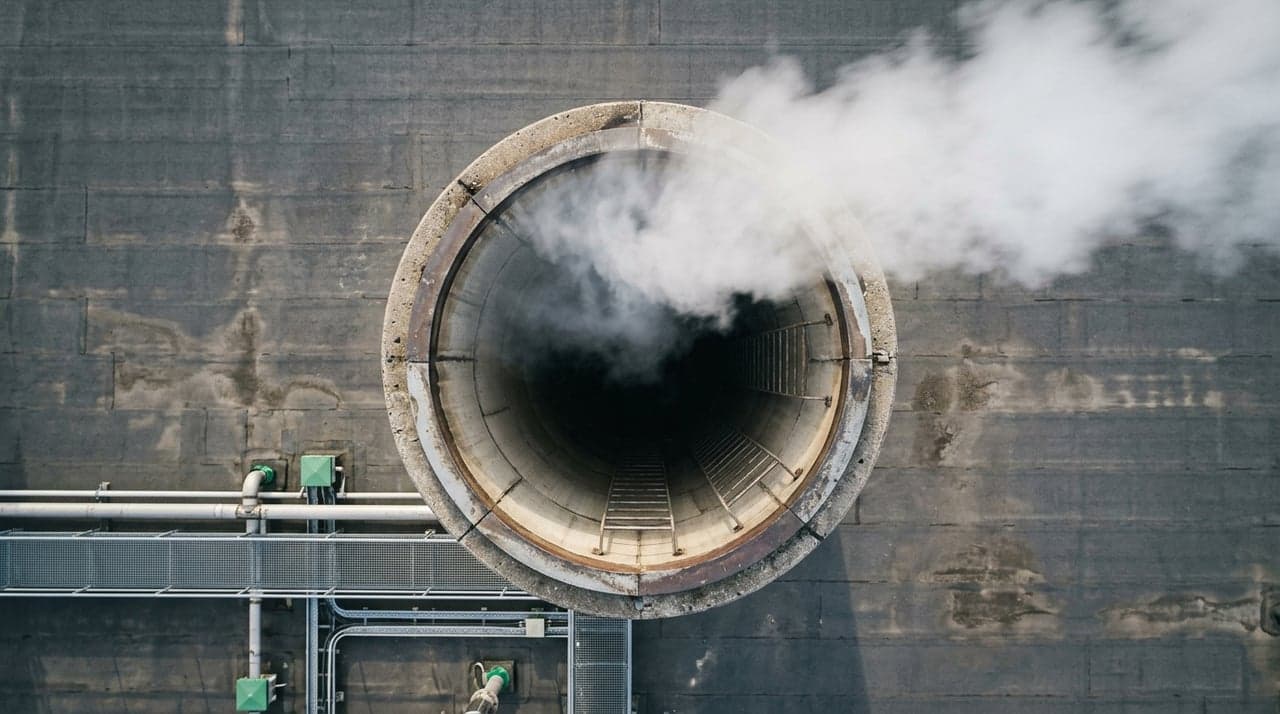
GHG Inventory and Carbon Accounting
Covers greenhouse gas accounting to the GHG Protocol, including organisational and operational boundary setting, scope 1, 2 and 3 calculation, emission factor selection and the data quality that determines whether an inventory can be assured.
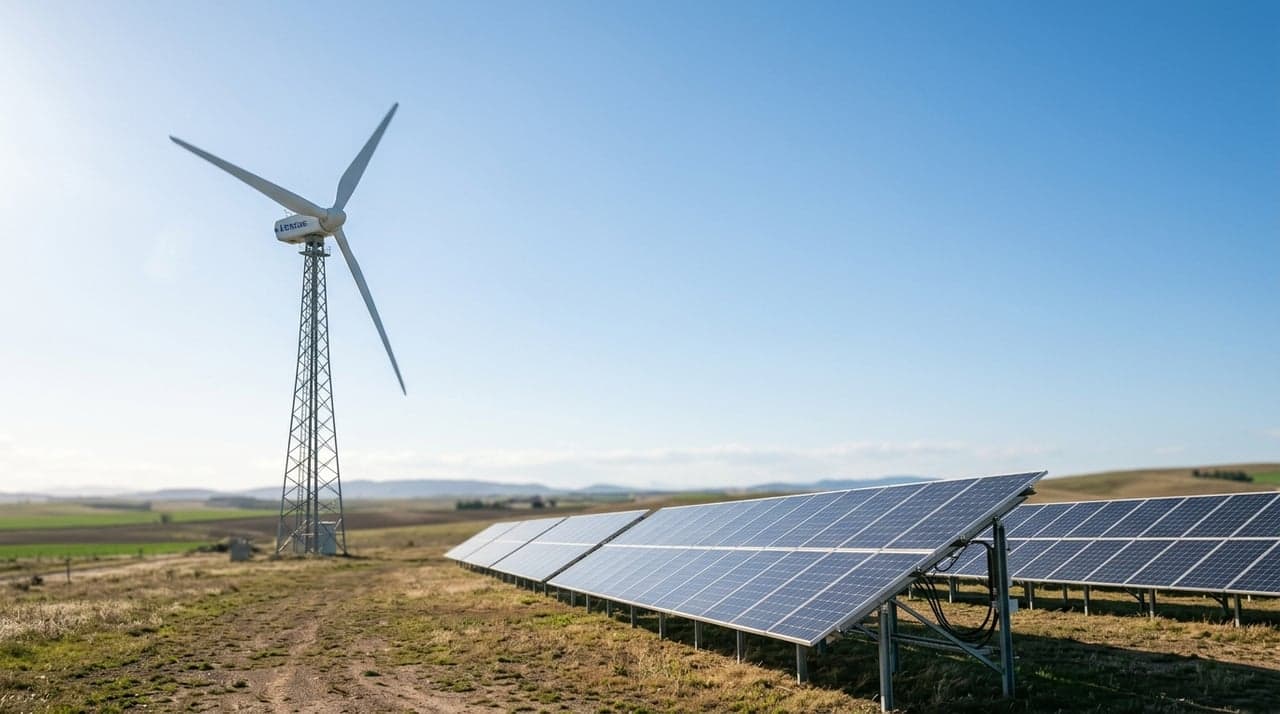
Net Zero Targets and Climate Disclosure
Covers science based target setting including the SBTi criteria, decarbonisation roadmap construction with marginal abatement cost, and climate related financial disclosure under the TCFD structure as carried into IFRS S2, including scenario analysis.
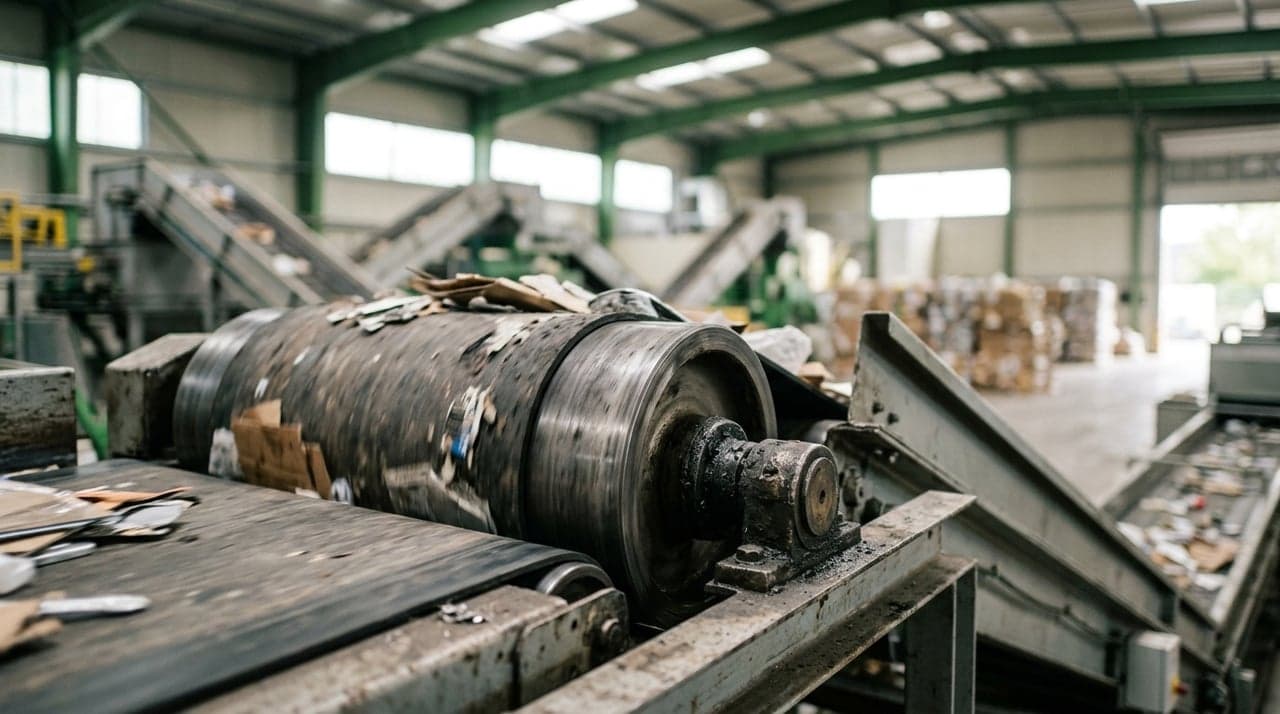
ESG Reporting and Responsible Sourcing
Covers the major sustainability reporting frameworks including GRI, SASB, the European Sustainability Reporting Standards and the Indian BRSR, how to run one data collection process that serves all of them, and the responsible sourcing and circular economy commitments that reporting exposes.
Leadership in Safety Programme
Built for senior managers and site leadership. The course addresses the decisions where production pressure and process safety genuinely conflict, the signals leaders send without intending to, and the practices that move an organisation toward a generative culture.
Process Safety Culture and Communication
Culture assessment often produces a score and no change. This course covers maturity models including the Hudson ladder, assessment methods that reveal what people actually believe, and the communication and engagement practices that shift culture rather than describe it.
Not sure which service you need?
Our team will assess your specific situation and recommend the right combination of services.
Talk to an Expert