Hazardous Process Technology
We engineer the high risk chemistry that most service providers will not touch, working through your reactive systems, thermal hazards, runaway scenarios and the physics of scale up so that you can take demanding processes from concept to commercial production with confidence that the hazards are properly controlled.
Why hazardous process technology matters
Hazardous Process Technology is the discipline for chemistry that the conventional engineering codebook does not adequately cover, including runaway reactions, hydrogenation, nitration, chlorination, oxidation, cryogenic processing, toxic gas handling and high hazard storage. The work brings together a calorimetric basis from DSC, ARC, VSP2 and Stoessel, DIERS vent sizing, reactor engineering across heat removal and mixing intensity, compliance with the MSIHC, SMPV(U) and Gas Cylinder Rules and the inherent safety lens that converts hazardous batch chemistry into inherently safer continuous flow or intensified routes wherever it is economic to do so.
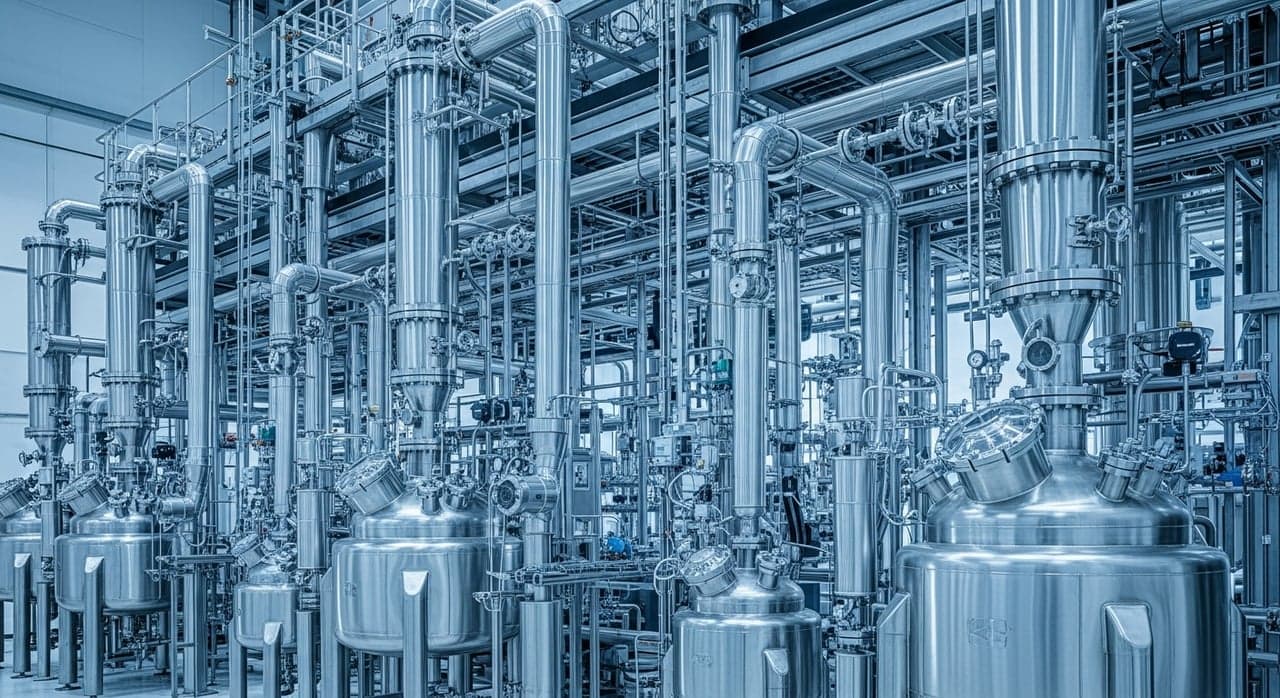
Hazardous Process Technology capabilities
How we deliver
A phased, evidence led delivery model that runs from discovery through close out and is built around your facility, regulatory context, and lifecycle stage.
What this service delivers
- Runaway patterns of the kind seen at T2 Labs and Concept Sciences engineered out before scale up
- Vent sizing to DIERS without an over protection cost burden
- A cryogenic system that meets BS EN 1473, API 625 and PESO at the same time
- Toxic gas handling defensible to MSIHC with credible worst case scrubbing
- A pilot to commercial scale up package that holds up under FDA and EMA inspection
Our differentiators
- An embedded calorimetric basis drawn from accredited testing partners
- DIERS certified vent sizing capability with two phase flow rigour
- MSIHC, SMPV(U) and PESO India fluency with a UN TDG and CEFIC overlay
- Process intensification evaluation as a default inherent safety step
Related services
Our engineers deliver the code compliant safety engineering that keeps your process protected, covering relief systems, flare studies, fire protection, hazardous area classification, safety instrumented system design and alarm rationalisation so that every layer of protection on your facility is sound and well documented.
Our multi discipline team carries your project from concept through commissioning, bringing process, mechanical, electrical and instrumentation engineering together under one roof so that the design that reaches your site is coherent, buildable and ready to operate safely.
We take your safety instrumented functions through the complete SIL lifecycle, from determination and SIS design to IEC 61511 and IEC 61508 compliance, audits and proof test procedures, so that the layers your safety case relies on are verified and stay dependable across the life of your plant.
Standards we work to
Industries we serve
- Specialty and Fine Chemicals
- Pharmaceuticals and API
- Energetic and Explosive Materials
- Hydrogen Production and Fuelling
- LNG and Cryogenic Gas Storage
- Polymer and Resin Manufacturing
Frequently asked questions
What is hazardous process technology engineering?
It is the discipline for chemistry that the conventional engineering codebook does not adequately cover, including runaway reactions, hydrogenation, nitration, chlorination, oxidation, cryogenic processing, toxic gas handling and high hazard storage. We work through your reactive systems, thermal hazards and the physics of scale up so you can take demanding processes from concept to commercial production with the hazards properly controlled.
How do you engineer reactive and runaway hazards?
We establish a calorimetric basis from DSC, ARC and VSP2, classify the scenarios after Stoessel across Classes 1 to 5 and build a reactive and thermal hazard register to the CCPS Reactive Chemicals Guidelines. We then compare the reactor heat removal capability against the adiabatic temperature rise, define the cooling philosophy and design the DIERS sized emergency relief, kill system, quench and scrubber for the two phase flow regime.
Which standards and rules apply?
We work to the AIChE DIERS Project methodology, Stoessel reaction hazard classification, the CCPS Reactive Chemicals Guidelines, and BS EN 1473, NFPA 59A and API 625 for cryogenic systems. For India we apply the MSIHC Rules 1989, the SMPV(U) Rules 2016 and the Gas Cylinder Rules 2016 alongside the PESO certification regime and the UN Manual of Tests and Criteria.
What do you deliver for a high hazard process?
You receive a chemistry hazard profile and reactive hazard register, a reactor and cooling design engineered against the adiabatic temperature rise, DIERS sized relief without an over protection cost burden, a defined operating envelope with integrity operating windows, and a basic engineering package integrated with HAZOP and SIL allocation. For pharma applications the scale up documentation is prepared to ICH Q9, FDA and GMP expectations.
Which industries need this service?
It applies to specialty and fine chemicals, pharmaceuticals and API, energetic and explosive materials, hydrogen production and fuelling, LNG and cryogenic gas storage, and polymer and resin manufacturing. Wherever it is economic we evaluate process intensification to convert hazardous batch chemistry into inherently safer continuous flow or intensified routes.
Talk to us about hazardous process technology.
We will come back with the scope, the standards it would be run to and what it would take. Tell us which part of hazardous process technology you need and the site it applies to.