Pilot Plant Scale Up Safety Evaluation
We engineer the heat removal, mixing, and runaway physics that quietly change as your chemistry moves from lab to pilot to commercial scale
Pilot Plant Scale
Up Safety Evaluation
Scale up incidents follow a pattern our team has seen many times. Chemistry that runs safely at 100 mL in a stirred tank lab reactor can escape thermal control at 100 L pilot scale because the surface area to volume ratio drops by an order of magnitude, mixing time extends, heat removal lags, and an exotherm that was previously buffered now escalates. The T2 Laboratories MCMT runaway of 2007 with four fatalities, the Concept Sciences hydroxylamine event of 1999, the Bayer CropScience event of 2008, and a steady stream of pharma and specialty chemical pilot plant events all trace back to inadequate scale up safety evaluation. Our work brings together calorimetric data from DSC, RC1, ARC, and VSP2 that we translate through Stoessel criticality logic into the operating envelope for your target scale. We add dimensionless heat transfer analysis using Damkohler, Biot, and Nusselt numbers, mixing time and dead zone characterisation through CFD or experimental tracer studies, continuous versus batch decision logic, an engineering controls inventory covering cooling capacity, dosing rate, emergency relief, and kill system effectiveness, and a HAZOP at each scale gate. Where the chemistry is energetic and residence time at kilogram scale is the failure mode driver, we also evaluate continuous flow and microreactor routes as inherently safer alternatives for your facility.
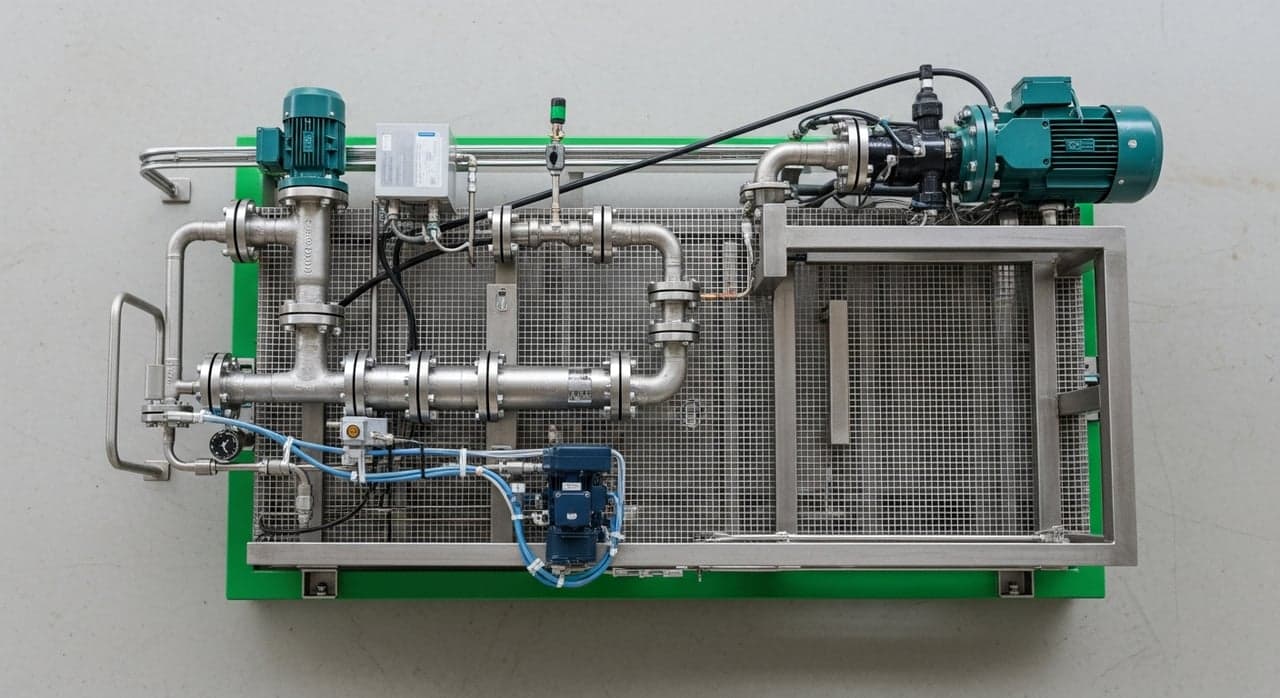
Pilot Plant Scale Up Safety Evaluation workflow
Define pilot plant scope, bench scale (kg/day), kilo lab (10s kg/day), pilot (100s kg/day), demonstration (tonnes/day), profile risk per OSHA 1910.119 PSM applicability (typically >10,000 lb threshold for highly hazardous chemicals).
Re characterise hazards at pilot scale, heat removal capability change (surface to volume ratio decreases as scale increases), mixing intensity change, residence time change, mass transfer change, conduct calorimetric verification (ARC / VSP2).
Specify engineering controls, pressure relief (DIERS sized), emergency cooling (drown out, dilution), inerting (N₂), gas detection (H₂, CO, toxic), fire suppression, align with NFPA / OSHA / Reactive Chemicals guidance.
Develop pilot operating procedure with detailed step by step, hold points, hand off checks, specify shift supervision with PhD chemist / chemical engineer, align with cGMP for pharma pilot plants.
Compile pilot Basic Engineering Package (BEP) covering PFD, P&ID, equipment specs, control philosophy, SIS / alarms, operating procedures, HAZOP, training plan, align with OSHA PSM Process Safety Information requirement.
Plan knowledge transfer from pilot to commercial, process parameter ranges, control loop tuning, failure mode lessons, MOC for design changes, align with stage gate development and CCPS process intensification framework.

Every deliverable from basis to handover
Complete Pilot Plant Scale Up Safety Evaluation scope covering every calculation, drawing, specification, and construction support activity.
Outcomes of Pilot Plant Scale Up Safety Evaluation
- Addresses the scale up runaway pattern seen at T2 Labs, Concept Sciences, and Bayer CropScience
- Identifies the heat removal and mixing limits before they surface as pilot events
- Moves Stoessel Class 4 and 5 chemistry toward continuous flow and inherently safer alternatives
- Strengthens MOC discipline across every scale up gate
- A scale up methodology that follows CCPS guidance
- ICH Q9 quality risk management for pharma and API work
- Documents how reactive chemistry is handed off through each scale stage
- Produces documentation that withstands FDA, regulator, and customer scrutiny of your scale up
- Reduces pilot plant incident frequency through systematic evaluation
- Sharpens commercial plant FEED quality and cuts start up rework
- Improves communication across your R&D, operations, and safety teams
- Supports a faster scale up cycle through risk prioritised gate logic
- Avoids costly scale up failures where a pilot rebuild typically runs beyond five million dollars
- Reduces the pilot to commercial transition risk and the re engineering it triggers
- Optimises capital efficiency on your first commercial plant
- Supports a faster time to market through efficient scale gate decisions
Codes & standards we work to
Triggers that signal the need
Where Pilot Plant Scale Up Safety Evaluation applies
Tangible deliverables
- A scale up safety assessment grounded in calorimetric data
- Heat transfer and mixing analysis for each scale stage
- A runaway potential evaluation across every scale gate
- Continuous flow and microreactor feasibility where it applies
- An engineering controls inventory with a gap register
- A pilot plant safety review report
- A commercial plant FEED hand off package
- A Stoessel class aware MOC framework
Send us the scope
We will scope Pilot Plant Scale Up Safety Evaluation against your site and come back with what it would take. Send us the process conditions, the equipment list and the stage the design has reached.