Inherent Safer Design
We work with your team to design hazards out of the process rather than relying on controls to contain them, applying the principles of substitute, minimise, moderate and simplify while your concept and FEED are still open, so that the safest and most economical option is locked in before the design freezes.
Why inherent safer design matters
Inherent Safer Design is the most economically effective risk reduction available, but only when it is applied before the design freezes. Our team works across the CCPS, IChemE and EPSC frameworks, running project level reviews at concept and FEED, targeted Substitute, Minimise, Moderate and Simplify workshops, Heikkilä ISI and INSET Toolkit quantitative scoring, technology selection for inherent hazard reduction, design integration with HAZOP and process intensification reviews that turn batch hazards into continuous flow safety. Eliminating a hazard at concept is 10 to 100 times cheaper than retrofitting a control layer later.
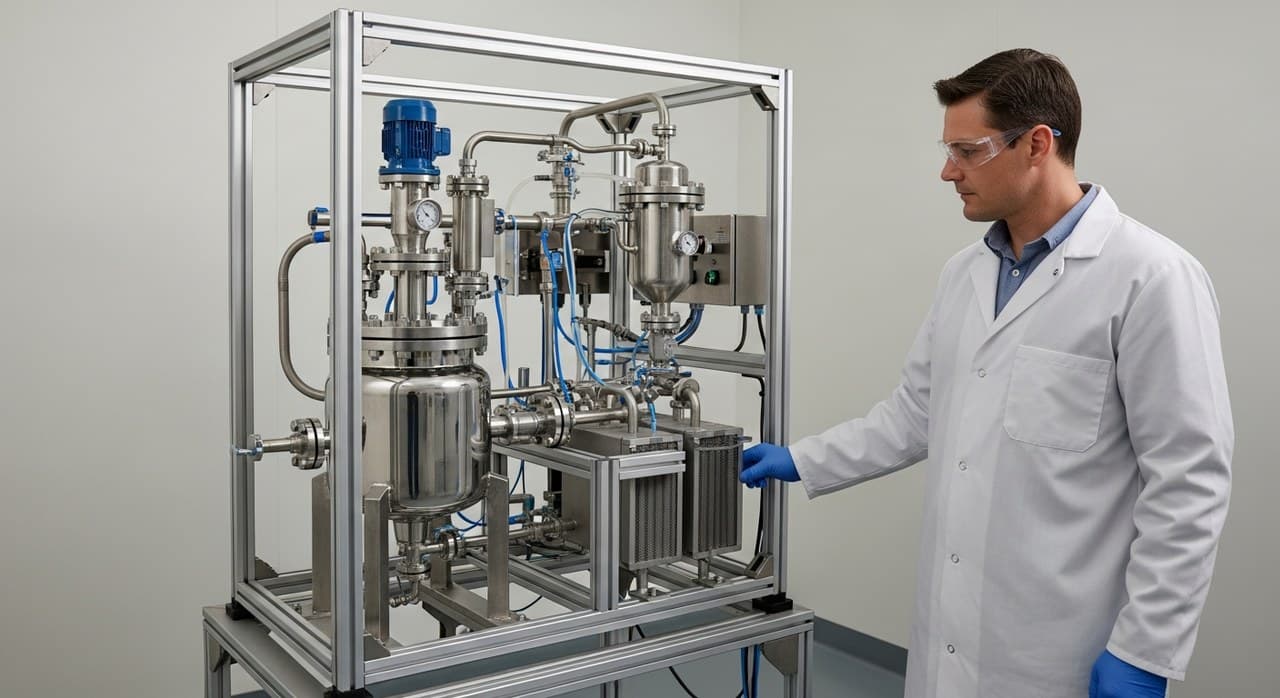
Inherent Safer Design capabilities
How we deliver
A phased, evidence led delivery model that runs from discovery through close out and is built around your facility, regulatory context, and lifecycle stage.
What this service delivers
- Hazard elimination that delivers lifecycle cost savings of 10 to 100 times against control layer retrofit
- Inventory reduction that collapses the consequence zone footprints
- A reduced SIL allocation burden through inherent safer design driven hazard removal
- Process intensification that opens up modular construction and a faster startup
- An inherent safer design basis that withstands CCPS Vision 20/20 review
Our differentiators
- A concept and FEED stage engagement model rather than a late stage bolt on
- Quantitative ISI and INSET scoring rather than opinion based ranking
- Process intensification evaluation as a default inherent safety step
- Integration with the HAZOP and SIL workflow that eliminates duplicate scrutiny
Related services
Our engineers deliver the code compliant safety engineering that keeps your process protected, covering relief systems, flare studies, fire protection, hazardous area classification, safety instrumented system design and alarm rationalisation so that every layer of protection on your facility is sound and well documented.
We engineer the high risk chemistry that most service providers will not touch, working through your reactive systems, thermal hazards, runaway scenarios and the physics of scale up so that you can take demanding processes from concept to commercial production with confidence that the hazards are properly controlled.
Our multi discipline team carries your project from concept through commissioning, bringing process, mechanical, electrical and instrumentation engineering together under one roof so that the design that reaches your site is coherent, buildable and ready to operate safely.
Standards we work to
Industries we serve
- Specialty and Fine Chemicals
- Pharmaceuticals and API
- Refineries and Petrochemicals
- Hydrogen Production and Storage
- Energetic Materials and Explosives
- Polymer and Resin Manufacturing
Frequently asked questions
What is inherent safer design?
It is the practice of designing hazards out of a process rather than relying on added controls to contain them, applying the principles of substitute, minimise, moderate and simplify. We work with your team while the concept and FEED are still open so the safest and most economical option is locked in before the design freezes. Eliminating a hazard at concept is far cheaper than retrofitting a control layer later.
How do you assess inherent safety quantitatively?
We score the hazard reduction of each design alternative using the Heikkilä Inherent Safety Index and the INSET Toolkit alongside the Dow Fire and Explosion Index and the Chemical Exposure Index, so the ranking rests on numbers rather than opinion. We facilitate targeted substitute, minimise, moderate and simplify workshops for each process node and chemical inventory with a multidisciplinary team, then capture the credit in downstream LOPA.
When should it be applied?
It must be applied before the design freezes, which means at concept and FEED and before the P&IDs issue, because that is when the early opportunities exist and when they are cheapest to capture. Applied late it becomes a bolt on with little room to change the fundamentals. We set the review timing against your project stage gates so the window is not missed, and we also run redesign reviews after an incident.
Which frameworks and standards do you follow?
We work across the CCPS Inherently Safer Chemical Processes guidance, the IChemE Inherently Safer Design Guide and the EPSC ISD Guidance, using the Heikkilä Inherent Safety Index, the INSET Toolkit and the Dow indices for quantitative scoring. For India we align with the MSIHC Rules and Factories Act Section 41B.
What are the benefits and who is it for?
The benefits include hazard elimination that delivers large lifecycle cost savings against a control layer retrofit, inventory reduction that collapses the consequence zone footprints, a reduced SIL allocation burden and process intensification that opens up modular construction and faster startup. It applies to specialty and fine chemicals, pharmaceuticals and API, refineries and petrochemicals, hydrogen, energetic materials and polymer and resin manufacturing.
Talk to us about inherent safer design.
We will come back with the scope, the standards it would be run to and what it would take. Tell us which part of inherent safer design you need and the site it applies to.