Process Intensification for Inherent Hazard Reduction
We evaluate technology routes such as microreactors, flow chemistry and structured reactors to engineer inherent safety into the design
Process Intensification for Inherent
Hazard Reduction
Process intensification is the inherent safer design strategy that replaces conventional batch and stirred tank chemistry with technology routes that are inherently smaller, more uniform and less hazardous. These include microreactors, continuous flow chemistry, structured reactors such as monolithic and packed bed designs, reactive distillation, spinning disc and spinning mesh reactors, and distributed point of use generation of hazardous intermediates. The discipline operates at the concept and technology selection stage of a project, ahead of pilot scale up engineering, which is the operational discipline for moving laboratory chemistry to commercial scale once the technology is selected. Intensification reduces hazardous inventory by typical factors of one hundred to ten thousand times compared to batch, with the corresponding reduction in consequence severity, emergency planning zone, SIL allocation burden and the exposure an insurer assesses. Our evaluation work compares conventional against intensified routes against capital cost, operating cost, schedule, the inherent safety and INSET scores and the Heikkilä index, and then defines a safety case for any novel technology where the commercial reference base is thin.
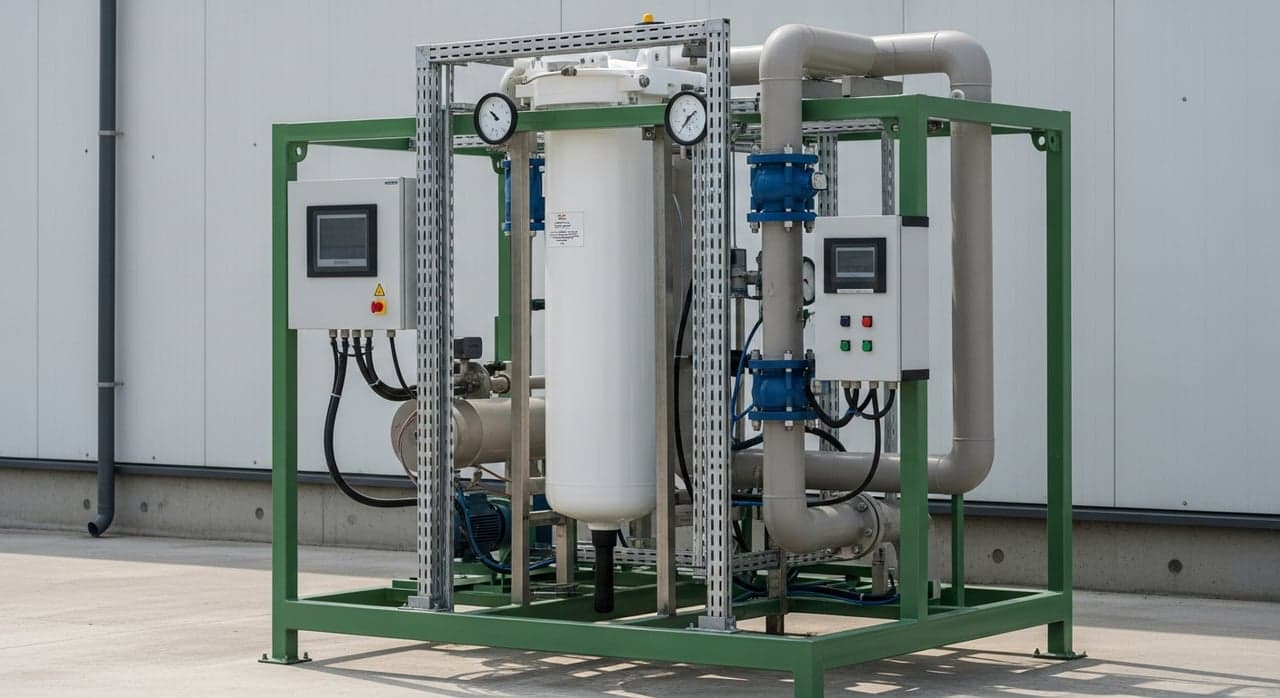
Process Intensification for Inherent Hazard Reduction workflow
Characterise the conventional batch / stirred tank baseline, inventory per step, hazard index (Dow F&EI / CEI / Heikkilä ISI), consequence zone distance, SIL allocation burden, document opportunity for inherent hazard reduction.
Screen intensification options, microreactor, continuous flow, structured (monolithic / packed bed) reactor, reactive distillation, spinning disc, falling film, membrane reactor, align with CCPS PI guidance and process chemistry feasibility.
Verify reaction kinetics fit the intensified residence time envelope, identify mass transfer or heat transfer limitations of conventional route that intensification resolves, quantify exotherm management gains.
Quantify inventory reduction (typical 100, 10000× vs batch), recalculate consequence zone distances, emergency planning zone footprint, and COMAH / Seveso threshold quantity position, document SIL allocation reduction.
Compare intensified vs conventional route on capex (smaller equipment, modular construction), opex (utilities, footprint, maintenance), schedule (modular startup), and ISI score, build decision matrix for technology route selection.
Author safety case for novel technology route where commercial reference base is thin, integrate with ISD design basis, hand off selected technology to pilot plant scale up engineering (separate operational discipline) for lab to commercial execution.
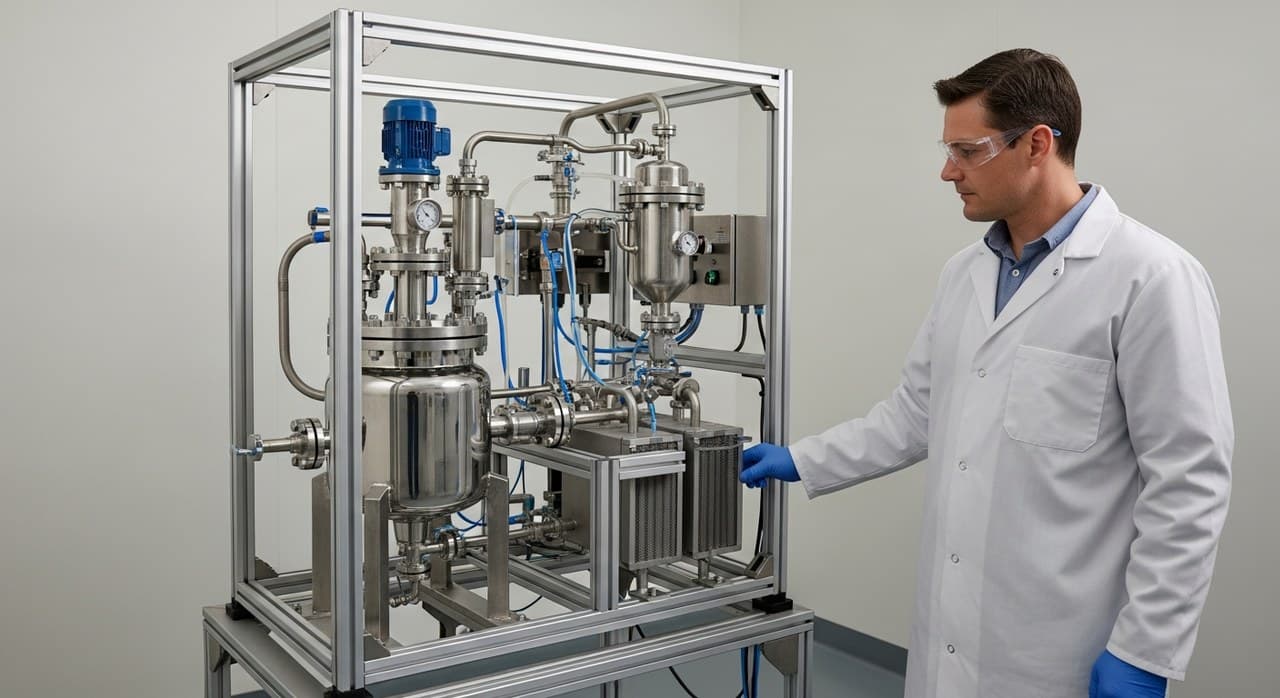
Every deliverable from basis to handover
Complete Process Intensification for Inherent Hazard Reduction scope covering every calculation, drawing, specification, and construction support activity.
Outcomes of Process Intensification for Inherent Hazard Reduction
- We dramatically reduce inventory at source
- We improve heat and mass transfer
- We reduce residence time and runaway potential
- We strengthen inherent safety
- We work to CCPS inherent safer design and scale up guidance
- We support COMAH and Seveso inventory reduction
- We document the safe scale up basis
- We give you evidence that withstands a regulator review of novel technology
- We deliver a smaller footprint and cleaner operation
- We enable faster product changeover
- We improve quality control
- We support modular construction
- We lower capital cost through smaller equipment
- We reduce operating cost through energy efficiency
- We support a faster time to market through modularity
- We document the protection your insurer assesses
Codes & standards we work to
Triggers that signal the need
Where Process Intensification for Inherent Hazard Reduction applies
Tangible deliverables
- Process intensification opportunity report
- Technology route comparison matrix covering conventional against intensified
- Heikkilä inherent safety index and INSET score for each option
- Inventory and consequence zone reduction quantification
- Capital cost, operating cost and schedule trade off analysis
- Safety case for novel technology
- SIL allocation reduction evidence
- Technology selection recommendation with an inherent safer design basis
Send us the scope
We will scope Process Intensification for Inherent Hazard Reduction against your site and come back with what it would take. Send us the process conditions, the equipment list and the stage the design has reached.