Process Safety Engineering
Our engineers deliver the code compliant safety engineering that keeps your process protected, covering relief systems, flare studies, fire protection, hazardous area classification, safety instrumented system design and alarm rationalisation so that every layer of protection on your facility is sound and well documented.
Why process safety engineering matters
Process Safety Engineering converts hazard study output into engineered protection. Relief and flare systems, fire and explosion protection, firewater hydraulics, hazardous area classification, safety instrumented systems, emergency shutdown architectures, alarm rationalisation, loss prevention engineering and safety barrier management are each delivered to API, ASME, NFPA, IEC, PESO and OISD code with construction ready documentation. Our work translates FERA contours, QRA risk drivers and SIL targets into the specifications, drawings and procurement packages that an EPC can build without rework.
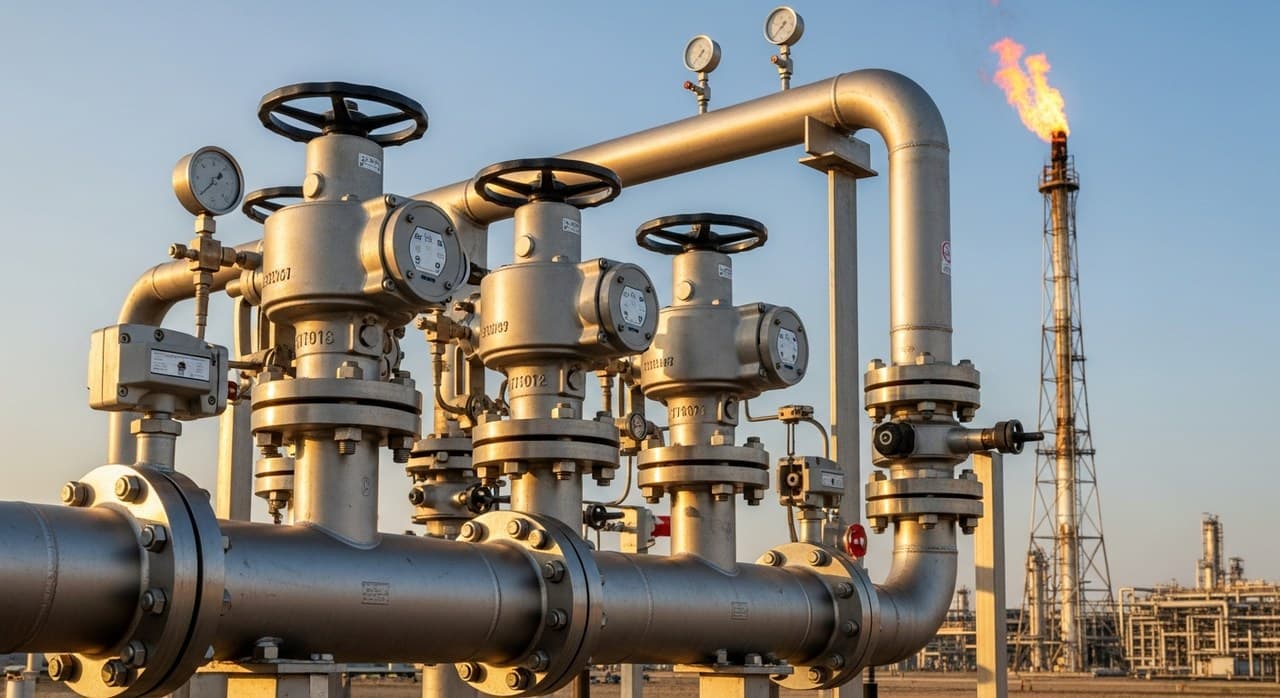
Process Safety Engineering capabilities
Explore the full process safety engineering range
How we deliver
A phased, evidence led delivery model that runs from discovery through close out and is built around your facility, regulatory context, and lifecycle stage.
What this service delivers
- Code defensible relief, flare and protection design without over specification
- An FM Global HPR tier qualification dossier for your underwriter
- A right sized SIS architecture that eliminates SIL inflation
- A hydraulically validated firewater system with a credible demand basis
- Construction ready drawings, specifications and procurement packages
Our differentiators
- Fluency across API, ASME, NFPA, IEC, OISD and PESO in one engagement
- FERA, QRA and SIL input translated directly into engineered protection
- FM Global HPR qualification experience across multiple sectors
- Integration with your detailed engineering, EPC and commissioning teams
Related services
We engineer the high risk chemistry that most service providers will not touch, working through your reactive systems, thermal hazards, runaway scenarios and the physics of scale up so that you can take demanding processes from concept to commercial production with confidence that the hazards are properly controlled.
Our multi discipline team carries your project from concept through commissioning, bringing process, mechanical, electrical and instrumentation engineering together under one roof so that the design that reaches your site is coherent, buildable and ready to operate safely.
We take your safety instrumented functions through the complete SIL lifecycle, from determination and SIS design to IEC 61511 and IEC 61508 compliance, audits and proof test procedures, so that the layers your safety case relies on are verified and stay dependable across the life of your plant.
Standards we work to
Industries we serve
- Refineries and Petrochemicals
- Oil and Gas across Upstream and Offshore
- LNG, Cryogenic and Hydrogen
- Specialty Chemicals and Pharma
- Power, Fertilizer and Hydrogen
- Bulk Storage Terminals and Pipelines
Frequently asked questions
What is process safety engineering?
It is the discipline that converts hazard study output into engineered protection. We deliver relief and flare systems, fire and explosion protection, firewater hydraulics, hazardous area classification, safety instrumented systems, emergency shutdown architectures, alarm rationalisation and safety barrier management, translating FERA contours, QRA risk drivers and SIL targets into the specifications, drawings and procurement packages an EPC can build without rework.
Which codes and standards do you design to?
We design relief and flare systems to API 520, 521, 537 and 2000, fire protection across the NFPA suite and API RP 2218 and FM Global Data Sheets, hazardous area classification to IEC 60079, API RP 500 and IS 5572, and safety instrumented systems to IEC 61511 Edition 2 with IEC 62443 for cyber. For India we also work to OISD STD 106, 116, 117 and 118 and the PESO regime. Alarm rationalisation follows EEMUA 191 and ISA 18.2.
When is this engineering needed?
It is needed once your hazard studies have identified the protection your facility relies on, typically after HAZOP, LOPA, SIL allocation and FERA are complete and before procurement and construction. It is also triggered by a debottlenecking project, a relief system revalidation, an alarm flood problem or a finding that your hazardous area classification or firewater demand basis is out of date.
What deliverables do you provide?
You receive code defensible relief, flare and protection design without over specification, a right sized safety instrumented system architecture that eliminates SIL inflation, a hydraulically validated firewater system with a credible demand basis, hazardous area classification drawings and construction ready specifications and procurement packages. Where FM Global HPR qualification applies we target the premium savings that come with it.
Which industries do you serve?
We serve refineries and petrochemicals, oil and gas across upstream and offshore, LNG, cryogenic and hydrogen, specialty chemicals and pharma, power, fertilizer and hydrogen, and bulk storage terminals and pipelines. We work in one engagement across API, ASME, NFPA, IEC, OISD and PESO and integrate with your detailed engineering, EPC and commissioning teams.
Talk to us about process safety engineering.
We will come back with the scope, the standards it would be run to and what it would take. Tell us which part of process safety engineering you need and the site it applies to.