Safety Barrier Management
We manage every Safety Critical Element as a performance based asset, aligned to UK KP4, integrated with your Bow Tie models and driven by live KPIs
Safety Barrier
Management
Safety Barrier Management treats every preventive and mitigative safeguard against major accident hazards as a managed engineering asset with defined performance standards, demonstrable effectiveness and routine assurance. The discipline crystallised in the UK after the Buncefield 2005 event and the subsequent HSE KP4 inspection campaign, which surfaced systematic Safety Critical Element management failures across the COMAH landscape. Our team builds your barrier programme on the Energy Institute Barrier Management Guidance, the CCPS Bow Tie Guidelines, KP4 designation logic, PFEER for offshore work and ISO 17776, and where it adds value we connect it to a digital barrier health platform so that barrier management moves from periodic audit into continuous monitoring. We author Safety Critical Element performance standards that cover functionality so each barrier delivers its intended function, availability so it works on demand, reliability so it operates without failure across its design period, survivability so it keeps working when the hazard arrives and interactions so dependencies on other systems are understood.
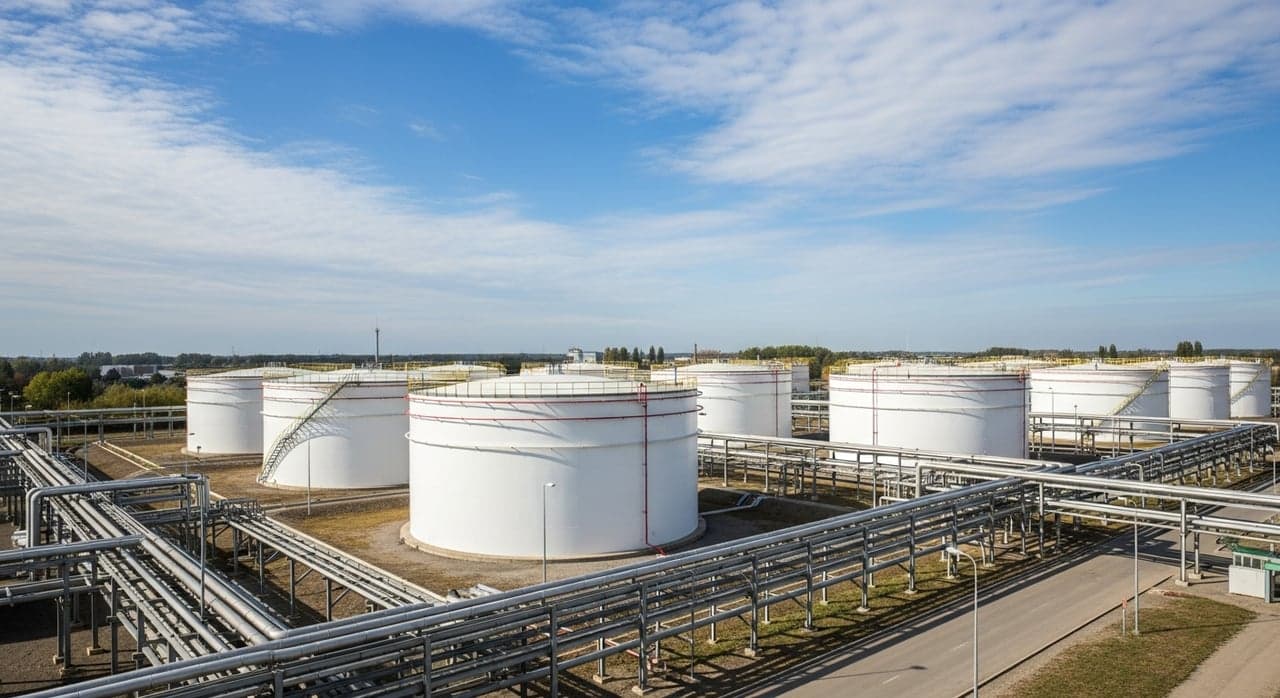
Safety Barrier Management workflow
Build barrier inventory from Bow Tie threat / consequence pathways, classify per UK HSE SCE (Safety Critical Element) framework, preventive vs mitigative, active vs passive, hardware vs procedural / human, align with OGUK / NOPSEMA SCE registers for offshore.
Author performance standards per SCE with FARSI criteria (Functionality, Availability, Reliability, Survivability, Interactions), specify quantitative performance targets, proof test interval, demand failure rate, response time, survivability rating.
Design barrier health KPIs per ISO 14224 / API 754, leading indicators (proof test compliance, MOC backlog, training currency) and lagging (demand response, near miss, failure on demand events), specify dashboard visualisation and escalation thresholds.
Specify MOC procedure for barrier modification with PHA / SIL / FERA re review trigger, design degraded barrier operating procedure (when, how long, compensating measures) per CCPS Operational Discipline, integrate with PTW (permit to work).
Design barrier verification programme, annual self audit, 3 year independent verification, 5 year revalidation, specify HSE COMAH Reg.13 verification scheme structure for major hazard facilities, integrate with FSA Stage 4 for SIS barriers.
Maintain live Bow Tie diagrams with barrier status overlay, integrate with PSM elements (PHA, MOC, MI, Incident Investigation), produce annual barrier health report for site leadership and corporate HSE.

Every deliverable from basis to handover
Complete Safety Barrier Management scope covering every calculation, drawing, specification, and construction support activity.
Outcomes of Safety Barrier Management
- We close the systemic Safety Critical Element gaps that HSE KP4 found across UK COMAH establishments
- We drive continuous barrier health awareness rather than waiting for periodic audit to surface problems
- We anchor operator awareness of the operating parameters that matter to each Safety Critical Element
- We eliminate the silent drift of open ended compensating measures and expired time limits
- We give you documentation that withstands UK HSE KP4 and PFEER scrutiny
- We keep your programme compliant with the Energy Institute Barrier Management Guidance
- We produce the demonstrate ALARP evidence your COMAH and Seveso III safety case needs
- We align your practice with NORSOK S 001 and ISO 17776 offshore expectations
- We tighten inspection, test and maintenance scope and frequency to genuine Safety Critical Element need
- We sharpen how your inspection resources are prioritised
- We build cross function dialogue on barrier health status
- We strengthen management of change discipline against the barrier baseline
- We target inspection and maintenance investment at the barriers that are genuinely safety critical
- We reduce over inspection of assets that are not Safety Critical Elements
- We help you avoid barrier failure incident cost, which typically runs from ten million to one billion dollars for major accident events
- We document KP4 alignment for your underwriters to assess
Codes & standards we work to
Triggers that signal the need
Where Safety Barrier Management applies
Tangible deliverables
- Barrier register for each major accident hazard with Bow Tie linkage
- Safety Critical Element designation list with KP4 aligned justification
- Performance standards for each Safety Critical Element across the functionality, availability, reliability, survivability and interaction dimensions
- Inspection, test and maintenance alignment matrix tied to performance standard requirements
- Barrier health KPI dashboard aligned to Tier 3 and Tier 4 indicators
- Degraded barrier escalation procedure
- Management of change review framework with barrier impact assessment
- Digital barrier health platform integration specification
- Independent third party verification framework
Send us the scope
We will scope Safety Barrier Management against your site and come back with what it would take. Send us the process conditions, the equipment list and the stage the design has reached.