Firewater Hydraulic Modelling and Demand Calculation
Network hydraulic analysis covering steady state, transient, and pump curve verification against FERA derived demand
Firewater Hydraulic Modelling
and Demand Calculation
Firewater demand and hydraulic analysis sizes the entire firewater system, from pumps, storage, ring main, and distribution to hydrants, monitors, deluge headers, and foam proportioning, against the credible worst case fire scenarios derived from FERA outputs. The discipline operates under NFPA 24 for private fire service mains, NFPA 20 for fire pumps, NFPA 15 for water spray for fixed protection, NFPA 22 for water storage tanks, NFPA 1142 for rural fire protection, and the insurance grade FM Global Data Sheets 3 7, 3 26, 4 9, 7 29, and 7 32. In high hazard process industry, additional standards apply, including API RP 2030 for water spray application, OISD STD 116 for Indian fire protection, API STD 2510 for LPG, CEA 9 in the UK, and the SIGTTO terminal guidelines. Modern execution uses dedicated hydraulic modelling software for steady state and transient water hammer analysis. Common findings in legacy facilities cluster on inadequate ring main looping, undersized hydrant laterals, monitor positioning that cannot reach realistic scenario radii, and the silent pump suction NPSH problem that surfaces during full flow demand testing. FM Global HPR qualification typically requires demonstrating 150 percent of the largest single fire scenario demand with a single pump out of service, and our team builds the model that proves it.
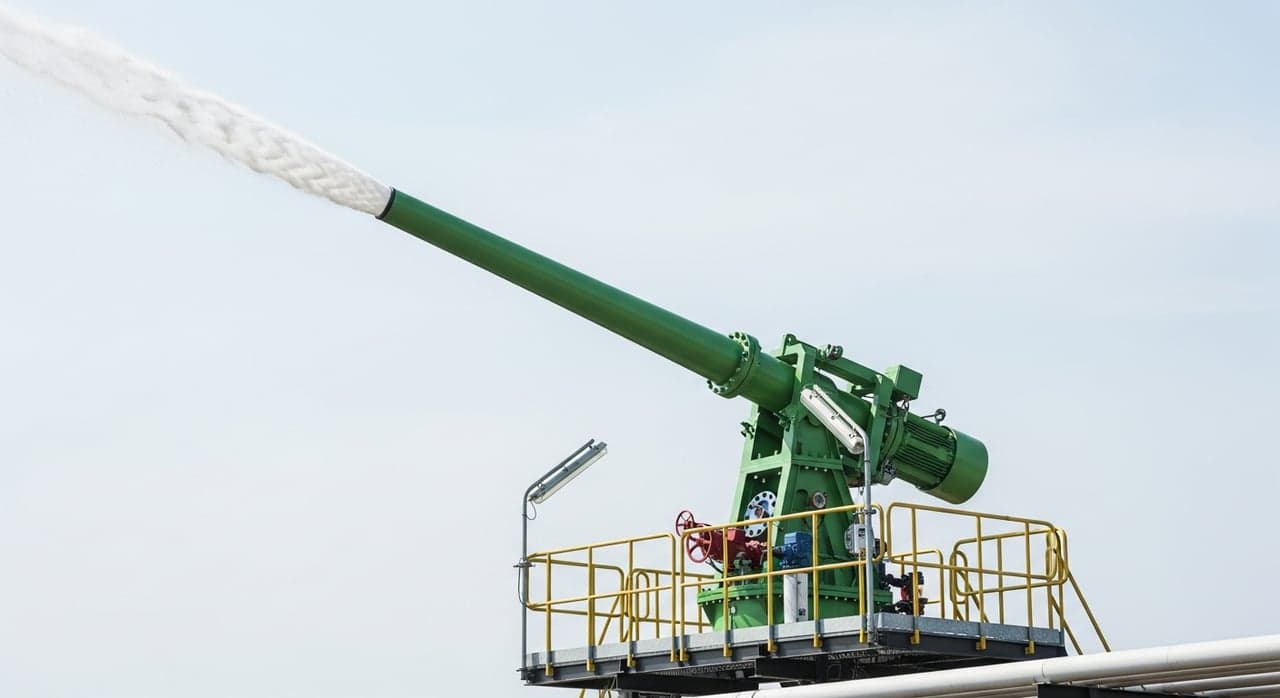
Firewater Hydraulic Modelling and Demand Calculation workflow
Build credible worst case fire demand scenarios per NFPA 15/16/24 and API 2030, single largest fire, two area simultaneous, hose stream allowance, integrate FERA pool fire and jet fire footprints, calculate peak demand with monitor, deluge, foam, and hydrant loads.
Build the firewater network model with node and element topology, specify supply (jockey, electric main, diesel backup) per NFPA 20, include underground main, post indicator valves, hydrants, deluge skids, and remote isolation.
Run steady state hydraulic analysis under each scenario to verify residual pressure at hydraulically remote nodes (≥1.4 barg per NFPA / FM), confirm flow velocity envelope (≤4 m/s in mains, ≤3 m/s in branches), validate fire pump operating point on manufacturer curve.
Conduct surge analysis for pump start stop, deluge valve actuation, and isolation valve closure, quantify pressure transients vs pipe pressure rating, specify surge mitigation (surge tanks, air vessels, slow closing valves) where transient envelope exceeds 1.5× steady state.
Size fire pump (electric + diesel backup) per NFPA 20 with 150% rated flow / 65% shut off curve check, size firewater storage for credible worst case scenario duration (typically 4 hour per NFPA / FM), verify suction lift / NPSHa under all conditions.
Issue firewater network design basis, hydraulic calculation report, pump curve sheets, storage sizing, and surge analysis, specify NFPA 25 ITM procedure with weekly / monthly / annual frequency, provide commissioning flow test protocols and acceptance criteria.
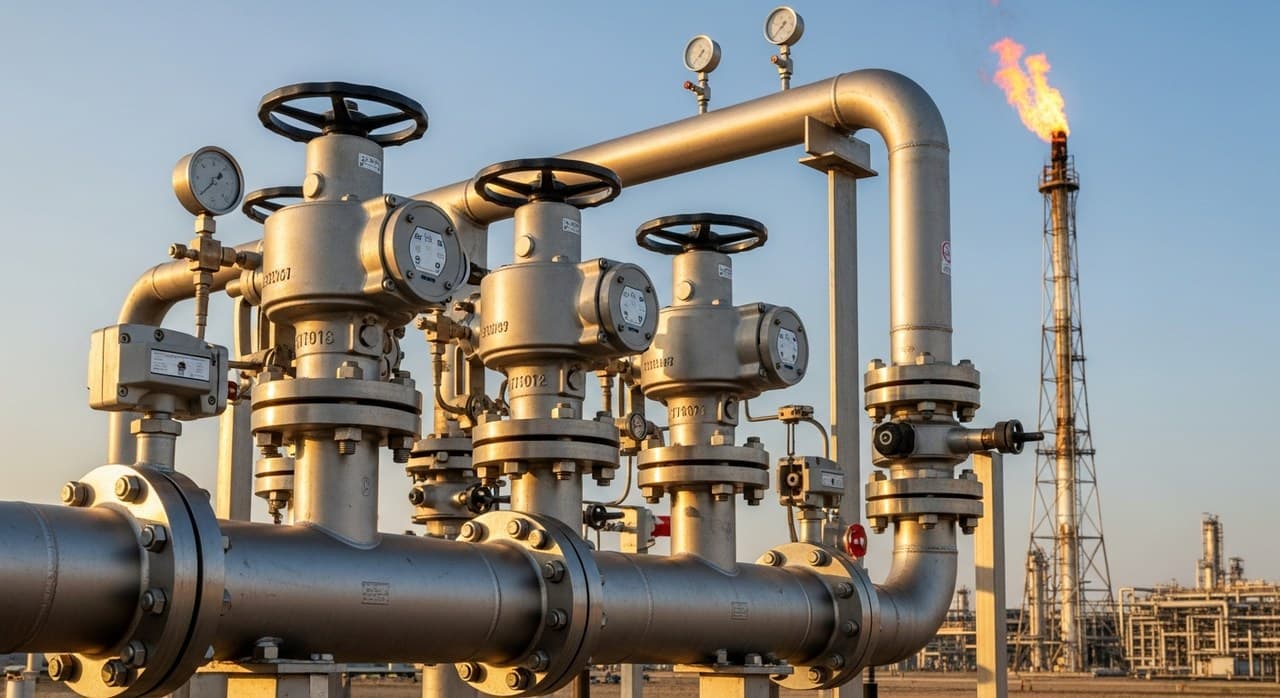
Every deliverable from basis to handover
Complete Firewater Hydraulic Modelling and Demand Calculation scope covering every calculation, drawing, specification, and construction support activity.
Outcomes of Firewater Hydraulic Modelling and Demand Calculation
- We ensure adequate firewater for the FERA derived credible worst case scenarios
- We validate pump redundancy and storage ride through under single failure conditions
- We identify the silent hydrant and monitor coverage gaps in legacy networks
- We support realistic emergency response and mutual aid planning
- We deliver design that holds up to audit under NFPA 24, 20, 15, and 22
- We achieve OISD STD 116 compliance for Indian operations
- We support FM Global HPR qualification
- We withstand AHJ, underwriter, and insurance broker examination
- We identify bottlenecks, pressure drop issues, and pump NPSH problems before they surface in an incident
- We sharpen your NFPA 25 inspection, testing, maintenance, and flow test scope
- We improve drill realism through validated coverage data
- We support realistic firewater system performance commitments
- We right size pump and storage capacity and prevent 20 to 40 percent over design
- We build the FM Global HPR tier qualification dossier
- We target retrofit capex to the weakest links in legacy networks
- We reduce business interruption exposure from inadequate fire response capability
Codes & standards we work to
Triggers that signal the need
Where Firewater Hydraulic Modelling and Demand Calculation applies
Tangible deliverables
- FERA derived demand basis for each scenario
- Hydraulic model with steady state and transient outputs
- Pump sizing, redundancy, and NPSH verification
- Ring main routing and sectional valve layout
- Hydrant and monitor coverage map
- Tank storage and ride through duration calculation
- Foam concentrate inventory and proportioning specification
- NFPA 25 ITM procedure and flow test schedule
- Procurement specifications
Send us the scope
We will scope Firewater Hydraulic Modelling and Demand Calculation against your site and come back with what it would take. Send us the process conditions, the equipment list and the stage the design has reached.