Fire and Explosion Protection Engineering
Engineered passive and active fire protection that is FERA driven, NFPA and API compliant, and FM Global aligned
Fire and Explosion
Protection Engineering
Fire and explosion protection engineering converts the quantitative thermal radiation and overpressure outputs of a FERA into a deployed protection scope that is passive through cementitious PFP, intumescent coatings, boards, and blankets, active through water deluge, foam, and gas suppression, and structural through blast resistant modules, blast walls, and strengthened steel. The discipline must balance API RP 2218 jet fire thermal load credit, the appropriateness of UL 1709 against ASTM E119 fire curves, where a hydrocarbon pool fire follows UL 1709 at 1093 degrees Celsius in 5 minutes and a cellulosic fire follows E119 at 538 degrees Celsius in 5 minutes, ISO 22899 jet fire test fire protection ratings, and the FM Global Data Sheets 7 29 and 7 95 for refineries and 7 32 for chemical plants for insurer aligned design. Modern PFP work also navigates NFPA 286 fire test methods, cryogenic spill protection per ISO 20088 added in 2020 for LNG and LH2, and the new generation of intumescent epoxies such as Sherwin Williams Firetex and AkzoNobel Chartek that replace legacy cementitious and vermiculite cement products. Active suppression design integrates NFPA 13 for sprinklers, NFPA 15 for water spray, NFPA 16 for foam water, NFPA 17A for wet chemical, NFPA 2001 for clean agent, and increasingly water mist per NFPA 750. The hardest decisions remain the PFP scope of coverage envelope across which structural members and vessels are protected, the thermal load duration at 30, 60, 90, or 120 minutes depending on emergency depressurisation, and FM Global Highly Protected Risk qualification for premium savings, and our team works each of these decisions through with you.
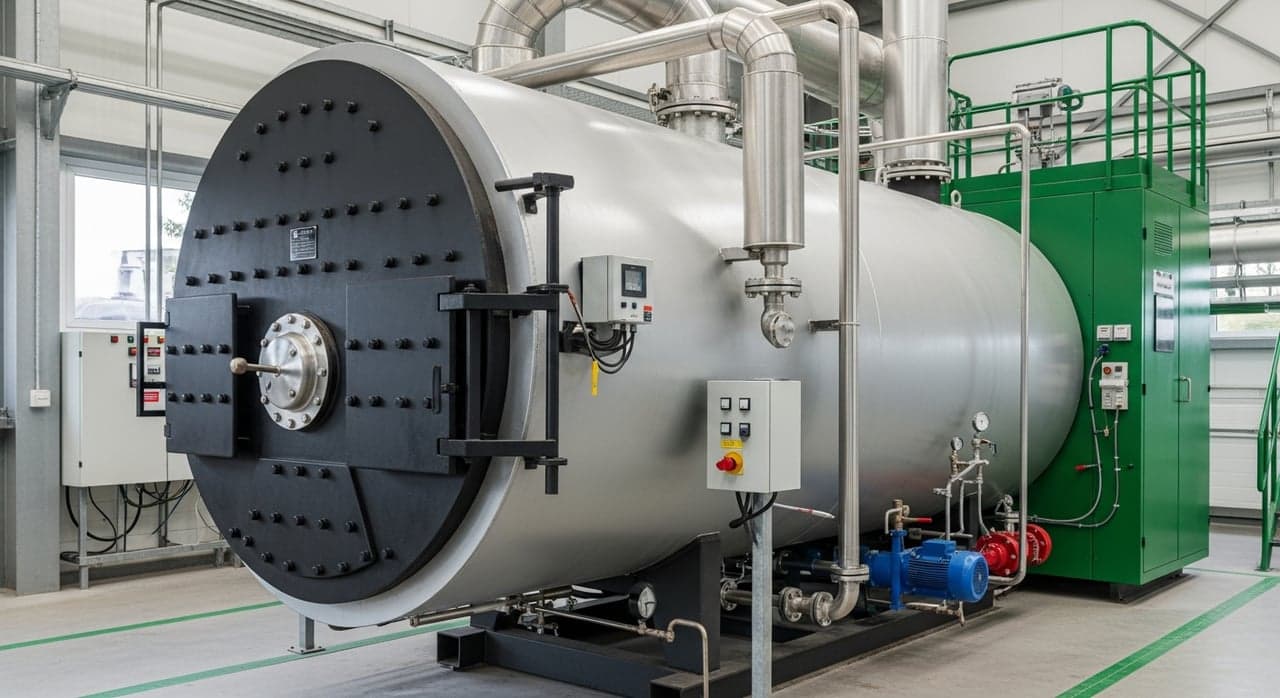
Fire and Explosion Protection Engineering workflow
Review FERA thermal radiation contours, jet fire exposure, and overpressure outputs to establish PFP scope envelope, identify structural members, vessel skirts, pipe supports, and valves requiring protection per API RP 2218, define jet fire vs pool fire scenario coverage.
Select fire test curve per scenario, UL 1709 hydrocarbon pool fire (1093°C/5min) for refining/petrochem, ASTM E119 cellulosic for general structures, ISO 22899 jet fire for high velocity exposure, specify PFP material (cementitious, intumescent epoxy, board, blanket) with depressurisation time coordinated rating.
Design water deluge per NFPA 15 (6.1, 20.4 lpm/m² density), foam water per NFPA 16/11 for tank farm, clean agent per NFPA 2001 (Novec 1230, FM 200) for control rooms, water mist per NFPA 750 where water supply is limited, coordinate with detection cause and effect activation.
Apply ISO 20088 cryogenic spill protection for LNG / LH₂ / NH₃ facilities, specify cold spill rated PFP and structural protection, design spill containment, drainage, and vapour mitigation barriers per facility hazard profile.
Develop NFPA 25 inspection, testing, maintenance procedures with frequency schedule, produce FM Global Data Sheet 7 29 / 7 to 32 / 7 to 95 alignment dossier for HPR (Highly Protected Risk) tier qualification, specify vetted equipment list for premium savings eligibility.
Issue FEP design basis with FERA output linkage, procurement specs for PFP applicator and suppression vendor, FAT/SAT acceptance criteria, commissioning hold point register, integration with emergency response procedures and drill scenarios.
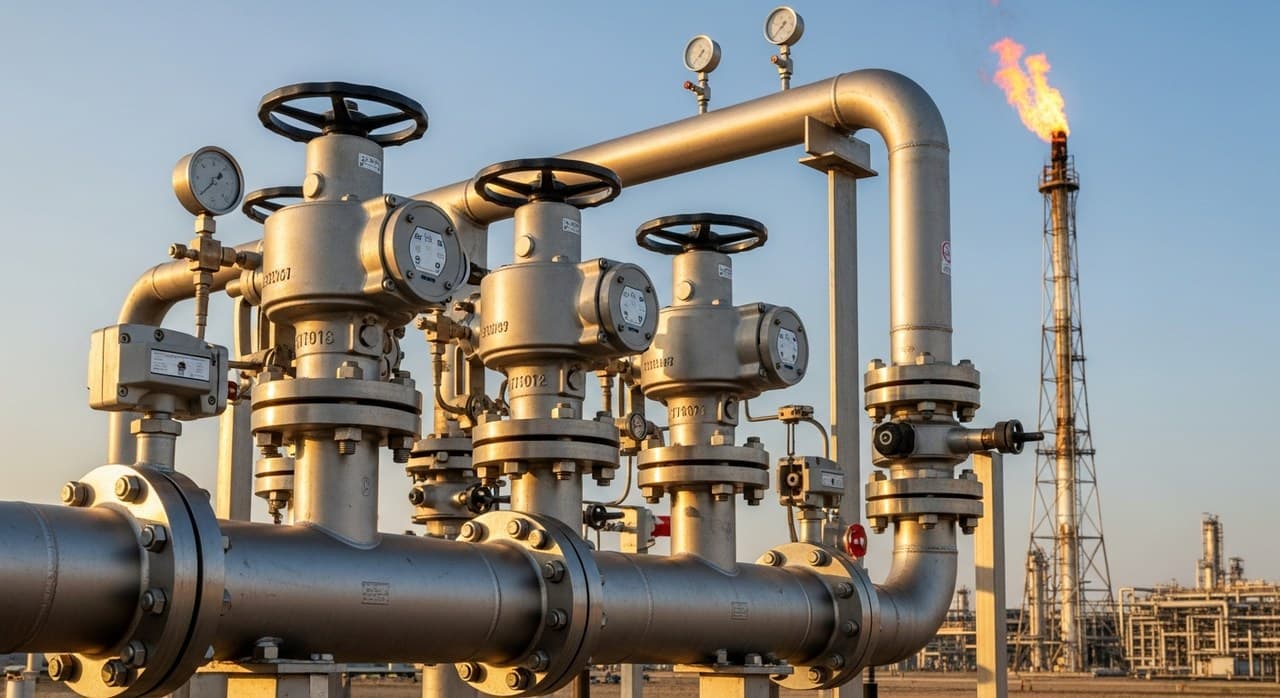
Every deliverable from basis to handover
Complete Fire and Explosion Protection Engineering scope covering every calculation, drawing, specification, and construction support activity.
Outcomes of Fire and Explosion Protection Engineering
- We limit the fire and explosion escalation envelope to the FERA quantified thermal load
- We close the silent under protection of vessel skirts and pipe supports
- We drive PFP duration matched to the reality of emergency depressurisation
- We address cryogenic spill protection that is now mandatory for LNG, LH2, and NH3
- We deliver design that holds up to audit across the NFPA suite and API RP 752 and 2218
- We achieve FM Global Data Sheet HPR qualification
- We select test curves appropriately across UL 1709, ASTM E119, and ISO 22899
- We withstand AHJ, insurer, and underwriter examination
- We reduce business interruption from credible fire events
- We set a realistic NFPA 25 inspection, testing, and maintenance scope and frequency
- We sharpen the coordination with your emergency response procedures
- We support realistic drill scenarios
- We avoid the 20 to 50 percent PFP over specification common in legacy installations
- We build the FM Global HPR tier qualification dossier your underwriter reviews
- We right size deluge and foam capacity to the FERA quantified scenarios
- We defer structural upgrade where the PFP credited depressurisation duration is shorter
Codes & standards we work to
Triggers that signal the need
Where Fire and Explosion Protection Engineering applies
Tangible deliverables
- Fire and explosion protection design basis linked to FERA output
- PFP scope envelope drawings covering plan, elevation, and equipment list
- PFP material specification with fire test curve justification
- Active suppression system design with hydraulic calculations
- Cryogenic spill protection design per ISO 20088 where applicable
- Detector and cause and effect integration with suppression activation
- NFPA 25 ITM procedure and frequency schedule
- Procurement specifications for the PFP applicator and suppression vendor
- FM Global HPR qualification dossier where applicable
Send us the scope
We will scope Fire and Explosion Protection Engineering against your site and come back with what it would take. Send us the process conditions, the equipment list and the stage the design has reached.