Loss Prevention Engineering
We deliver loss expectancy driven prevention engineering to the underwriter grade expected by FM Global, Marsh and Lloyd's
Loss Prevention
Engineering
Loss prevention engineering is the discipline of designing high hazard facilities to minimise probable maximum loss, maximum foreseeable loss and business interruption exposure. This is the language of underwriters and CFO risk committees rather than only HSE managers. The field operates at the intersection of process safety through CCPS RBPS and OSHA PSM, fire and explosion engineering through fire and explosion risk assessment outputs, FM Global Data Sheets and NFPA standards, and insurance industry frameworks including Highly Protected Risk qualification, the Marsh probable maximum loss methodology and the Lloyd's London property markets. Mature practice treats every Tier 1 process safety event as a financial event with quantifiable impact, on the order of 100 million to over 1 billion US dollars for a refinery or petrochemical Tier 1 fire, drives protection capital against marginal loss reduction logic, and produces insurer dialogue evidence that can move premium tiers, typically a reduction of 30 to 50 percent between an IRMI HPR qualified site and an unprotected one. The 2020s have added climate physical risk exposure from extreme weather, flood and wildfire, cyber physical risk and supply chain business interruption to the traditional scope of fire, explosion and mechanical breakdown.
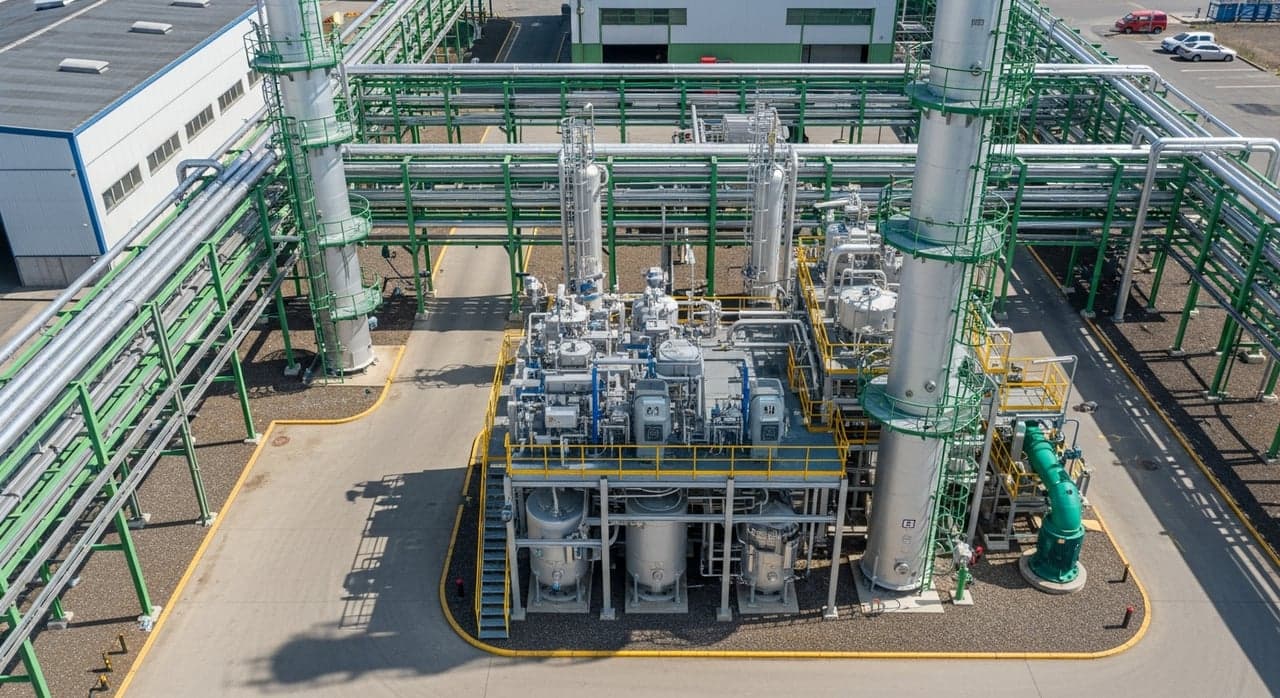
Loss Prevention Engineering workflow
Establish loss prevention scope per CCPS RBPS and OSHA PSM Engineering element, build loss inventory by unit (asset value, business interruption exposure, environmental sensitivity), align with insurer (FM Global, AXA XL, Lloyd's) data requirements.
Apply CCPS Inherently Safer Design hierarchy, minimise, substitute, moderate, simplify, review engineering controls (BPCS, alarms, relief, SIS, passive), identify high leverage prevention opportunities at FEED stage where cost multiplier is 10, 100× lower.
Specify engineered loss prevention measures, secondary containment per SPCC, blast walls per API 752, fire suppression per NFPA, gas/fire detection per ISA TR84.00.07, integrate with FERA output and facility siting study findings.
Design MOC (Management of Change) programme per OSHA PSM (1) covering process, equipment, organisational, and procedural changes, specify PSSR (Pre Startup Safety Review) gate criteria, integrate with PHA revalidation triggers.
Develop FM Global HPR tier qualification dossier with site walk down photos, equipment registers, and protection documentation, engage AXA / Lloyd's underwriters with engineered loss prevention narrative, capture premium tier savings opportunities.
Issue loss prevention programme charter with KPIs (loss incident rate, MOC closure cycle, near miss reporting), specify annual audit programme and management review cadence, integrate with API RP 754 PSE indicators.

Every deliverable from basis to handover
Complete Loss Prevention Engineering scope covering every calculation, drawing, specification, and construction support activity.
Outcomes of Loss Prevention Engineering
- We limit the credible fire, explosion and toxic release loss envelope
- We drive capital to the protection that genuinely has the highest impact
- We integrate passive and active layers into coherent defence in depth
- We anchor operational discipline through the strength of procedural barriers
- We deliver design aligned to FM Global Data Sheets for HPR
- We produce work defensible under NFPA and API RP 752 754
- We withstand OSHA NEP and EPA RMP inspection
- We align with the COMAH and Seveso ALARP demonstration
- We reduce business interruption exposure across direct, contingent and supply chain
- We drive inspection, testing and maintenance discipline per NFPA 25 through risk prioritisation
- We strengthen the dialogue across Operations, Engineering, Insurance and Finance
- We anchor realistic emergency response drill scenarios
- We build the HPR tier qualification case your underwriter reviews
- We quantify loss expectancy for your underwriters to assess
- We optimise capital sequencing against marginal loss reduction
- We document the protection basis a post loss review examines
Codes & standards we work to
Triggers that signal the need
Where Loss Prevention Engineering applies
Tangible deliverables
- Loss prevention engineering strategy document
- Quantification of probable maximum loss, maximum foreseeable loss and estimated maximum loss per major accident hazard
- Business interruption exposure analysis
- Protection hierarchy mapping
- Capital prioritisation register ranked by marginal loss reduction
- FM Global Data Sheet alignment dossier
- Climate physical risk overlay
- Cyber physical risk treatment
- Insurer and underwriter dialogue pack
Send us the scope
We will scope Loss Prevention Engineering against your site and come back with what it would take. Send us the process conditions, the equipment list and the stage the design has reached.