Technology Selection for Inherent Hazard Reduction
We evaluate inherently safer technology at the concept and FEED stage where hazard reduction is essentially free
Technology Selection for Inherent
Hazard Reduction
The single most powerful safety decision in a project is rarely a safeguard. It is the choice of technology, because the process route, reactor type, solvent system and operating conditions fix the inherent hazard ceiling that every later layer of protection can only manage and never remove. The Kletz principle holds, in that what you do not have cannot leak, burn or explode. Our technology selection workshops bring that thinking to the concept and FEED stage, evaluating candidate routes and unit operations against inherent safety criteria alongside cost and yield. We weigh continuous or flow chemistry in place of large batch inventories, less hazardous or non volatile solvents, lower temperature and lower pressure operation, and process intensification that shrinks the hazardous hold up. We structure the evaluation so that inherently safer options are compared rigorously and the rationale is documented, capturing hazard reduction at the one point in the lifecycle where it is essentially free.
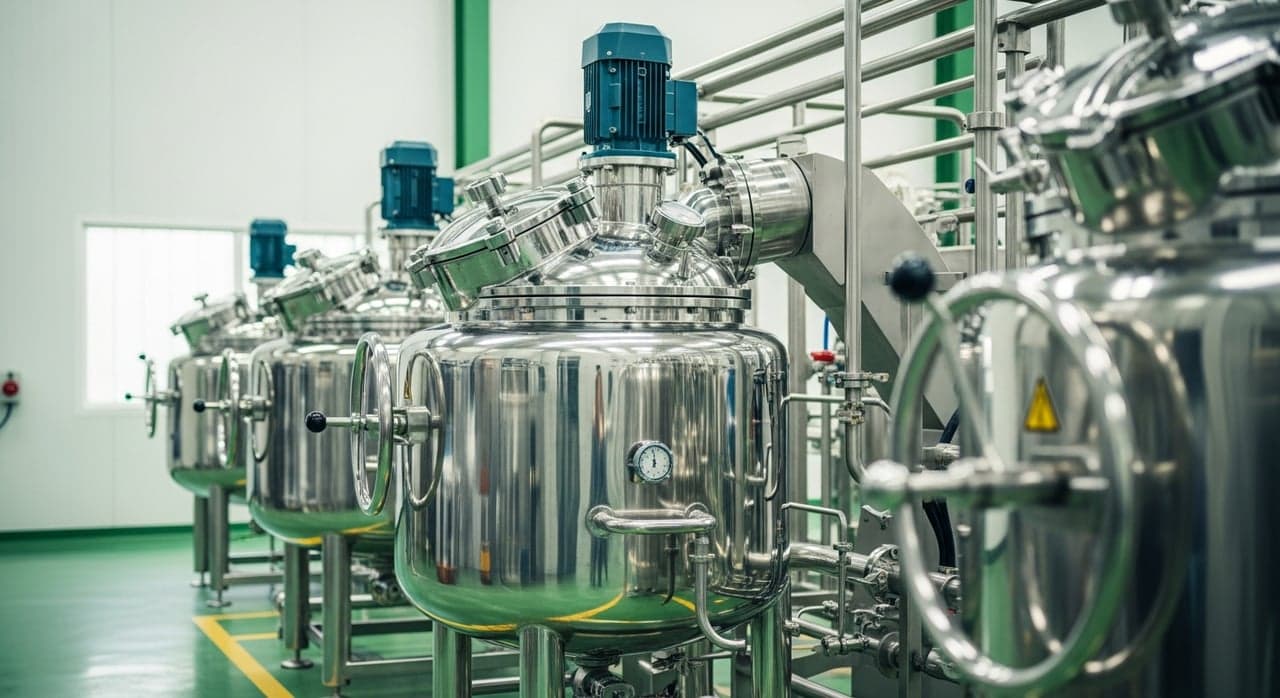
Technology Selection for Inherent Hazard Reduction workflow
Build technology option inventory for the project / unit, reaction chemistry alternatives, reactor type (CSTR / PFR / batch / micro), separation technology (distillation / membrane / extraction), thermal management (jacket / coil / heat exchanger network).
Compare hazard profile per option, material toxicity / flammability / reactivity inventory, process temperature / pressure severity, fire / explosion potential, environmental impact, align with Dow F&EI / CEI screening and CCPS technology evaluation framework.
Apply ISD hierarchy to technology selection, minimise (smaller inventory, intensified process), substitute (safer chemistry, less hazardous solvent), moderate (lower temperature / pressure, dilution), simplify (fewer steps, fewer interfaces).
Quantify capex (equipment, instrumentation, civil), opex (energy, maintenance, materials), lifecycle cost (NPV over 20 year horizon), compare against hazard reduction benefit, align with corporate investment appraisal.
Assess technology maturity (TRL, Technology Readiness Level), commercial reference base, vendor capability, and project execution risk, align with stage gate decision making and corporate technology gatekeeping.
Document technology selection decision with hazard / cost / maturity trade off, capture ISD credit for downstream LOPA / SIL / FERA / QRA, integrate with FEED gate review and SIM / FSA Stage 1 audit.
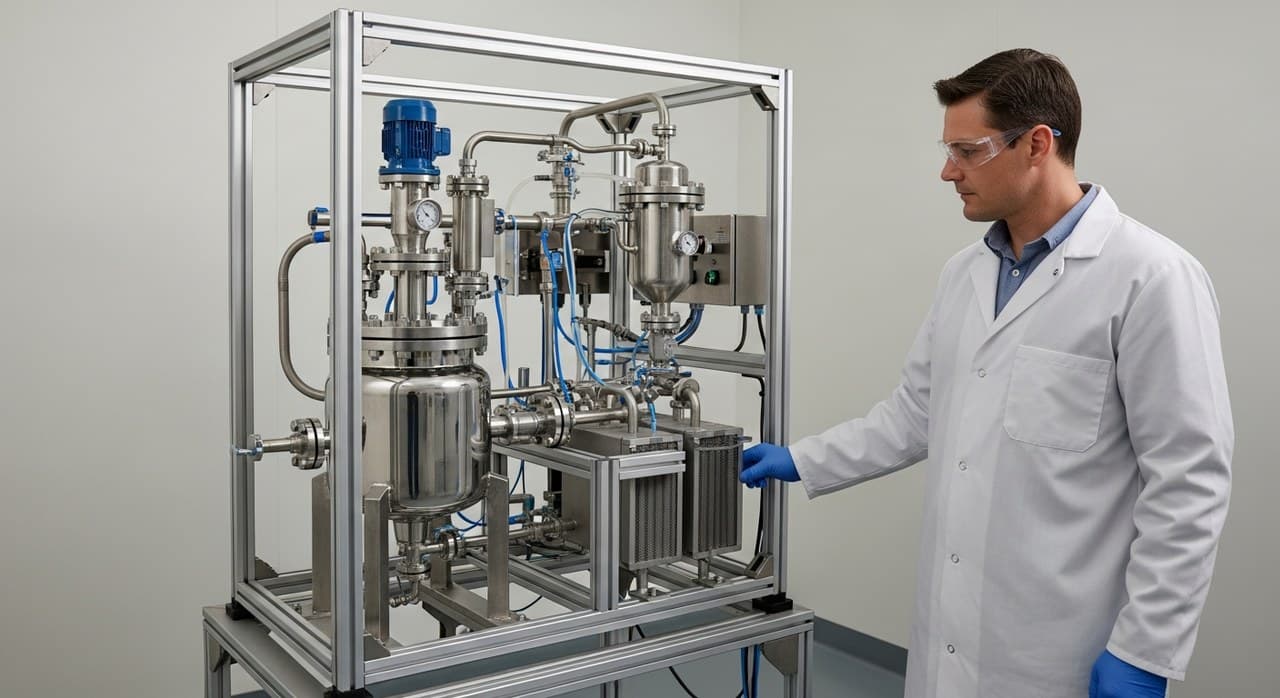
Every deliverable from basis to handover
Complete Technology Selection for Inherent Hazard Reduction scope covering every calculation, drawing, specification, and construction support activity.
Outcomes of Technology Selection for Inherent Hazard Reduction
- We eliminate hazards at the point of technology selection
- We reduce inventory and severity at source
- We strengthen defence in depth
- We support an informed licensor choice
- We track to CCPS inherent safer design guidance
- We document the decision to put inherent safety first
- We support COMAH and Seveso prevention
- We give you evidence that withstands an ALARP demonstration
- We simplify operation and maintenance
- We reduce incident frequency at source
- We support process intensification
- We sharpen cross function dialogue
- We lower the safeguard burden through lower inherent hazard
- We document protection for your insurer to assess
- We reduce capital and operating cost
- We support your licensing dialogue
Codes & standards we work to
Triggers that signal the need
Where Technology Selection for Inherent Hazard Reduction applies
Tangible deliverables
- Technology selection workshop report
- Process route comparison matrix
- Inherent safety scoring
- Substitution opportunity register
- FEED design basis recommendation
- Licensor evaluation pack
Send us the scope
We will scope Technology Selection for Inherent Hazard Reduction against your site and come back with what it would take. Send us the process conditions, the equipment list and the stage the design has reached.