Project Level Inherent Safer Design Review
We run a multidisciplinary inherent safer design review at concept and FEED that examines the whole design for inherent hazard reduction before the design freezes
Project Level Inherent
Safer Design Review
Inherent safer design is the most economical risk reduction strategy available, but only when it is applied before the design freezes. Once your P&IDs are issued for construction, eliminating a hazard by substituting or minimising it costs ten to a hundred times more than it would have at concept. The CCPS Guidelines for Inherently Safer Chemical Processes and the IChemE inherent safer design guide set out the substitute, minimise, moderate and simplify hierarchy, where you substitute a hazardous material or reaction for a safer one, minimise inventory to only what the process needs, moderate by using lower temperature, pressure or concentration and simplify to strip out complexity and failure modes. Inherent safer design is also the only risk reduction measure that carries no reliability requirement, because a substituted chemical cannot fail to be safer. Our team brings quantitative inherent safety index scoring to compare design alternatives, evaluates process intensification through microreactors, flow chemistry and distributed production and integrates the work directly with LOPA so we can show you where the SIL target falls because a hazard has been removed at source.
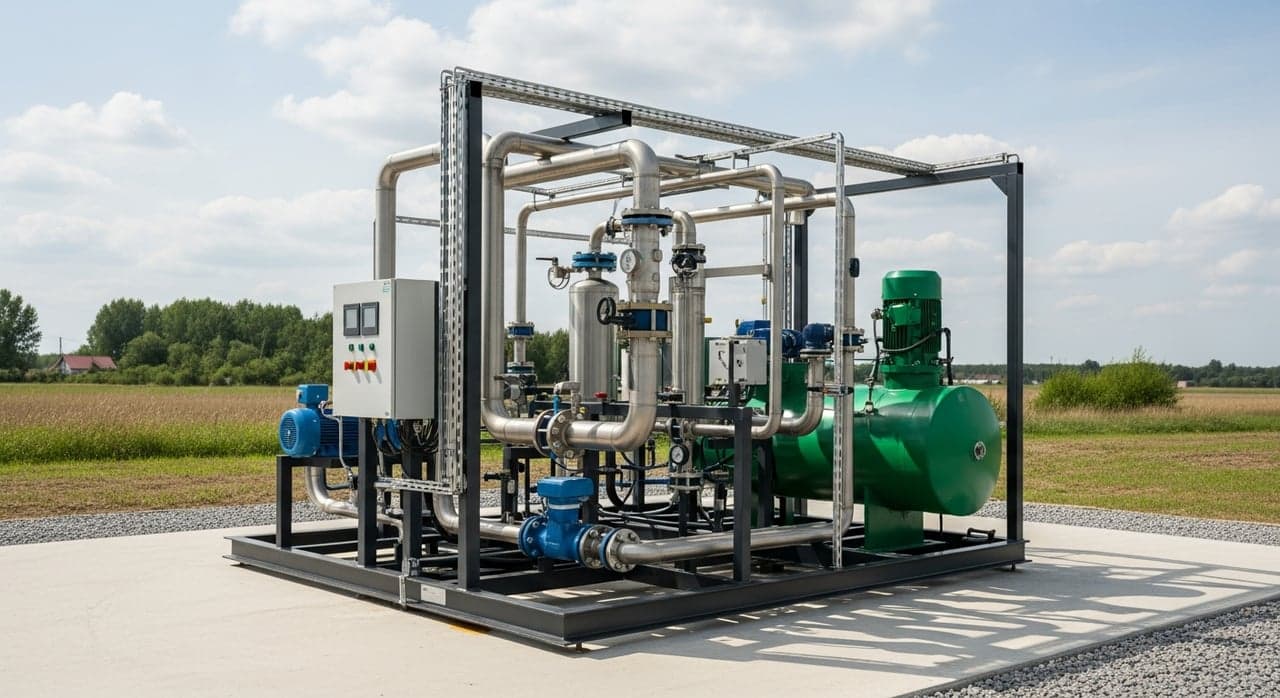
Project Level Inherent Safer Design Review workflow
Engage at conceptual design or FEED, review process description, block flow diagrams, technology selection, and chemical inventory to define ISD scope, objectives, and review boundaries.
Apply Substitute / Minimise / Moderate / Simplify screening to each major chemical, reaction, and process step, score inherent hazard index (ISI / ISHI) for each design option.
Compare batch vs. continuous, solvent vs. solventless, open vs. closed systems, evaluate process intensification (microreactors, flow chemistry, distributed processing) opportunities.
Facilitate structured SMMS review with process, safety, and engineering disciplines, document findings, feasibility assessment, and cost benefit for each hazard reduction recommendation.
Map ISD findings to P&ID nodes, identify hazard elimination credits in LOPA, update SIL targets where hazards have been eliminated or inventories reduced through ISD.
Issue ISD study report, design alternatives evaluation matrix, inherent safety index scores, ISD recommendations register, and updated FEED design basis with ISD rationale.
Every deliverable from basis to handover
Complete Project Level Inherent Safer Design Review scope covering every calculation, drawing, specification, and construction support activity.
Outcomes of Project Level Inherent Safer Design Review
- You eliminate hazards rather than control them, which is the most effective safety strategy there is
- Minimising inventory shrinks the size of your emergency planning zones
- Simplifying the design cuts the number of failure modes that need safeguards
- These measures stay reliable because they do not depend on maintenance or human action
- Our work aligns with the OSHA PSM Process Design and Technology element
- It meets the European Process Safety Centre inherent safer design guidance
- It shows COMAH and Seveso authorities that you put prevention first
- It supports a lower SIL through hazard elimination at source
- Simpler designs are easier for your team to operate and maintain
- Reduced inventory lowers the severity of any incident that remains
- Milder process conditions reduce equipment maintenance
- Process intensification can cut both your capital and your operating cost
- You need fewer safety layers and lower SIL levels
- A reduced inherent hazard inventory for your insurer to assess
- Smaller vessels, fewer relief devices and a simpler safety instrumented system save capital
- A simplified process design saves operating cost
Codes & standards we work to
Triggers that signal the need
Where Project Level Inherent Safer Design Review applies
Tangible deliverables
- A study report with the substitute, minimise, moderate and simplify findings
- A design alternatives evaluation matrix
- Index scoring for each design option
- Inherent safety improvement recommendations
- HAZOP integration with our findings mapped to your P&ID nodes
- A process intensification opportunity register
- A basis of safety document
- A FEED design basis update carrying our recommendations
Send us the scope
We will scope Project Level Inherent Safer Design Review against your site and come back with what it would take. Send us the process conditions, the equipment list and the stage the design has reached.