Design Intent and Basis of Safety Development
We create single source design intent and basis of safety documentation that hands on the reasoning, not just the drawings
Design Intent and Basis
of Safety Development
The basis of safety is the explicit answer to a question every high hazard operation must be able to answer at any moment, namely how each major hazard is controlled and why those controls are sufficient. Captured properly, your design intent and basis of safety record the safety logic behind every significant decision, including the inherent measures chosen, the preventive and mitigative safeguards credited, and the assumptions and operating limits on which their adequacy depends. The value of this work is that the reasoning is otherwise tacit, held in the heads of the original design team and lost steadily through staff turnover, modification and time, which is exactly how management of change degrades, audits stall, and operators inherit plant they do not fully understand. Our team develops single source design intent and basis of safety documentation that anchors management of change, withstands audit and regulatory examination, and hands the next competent owner the reasoning rather than just the drawings.
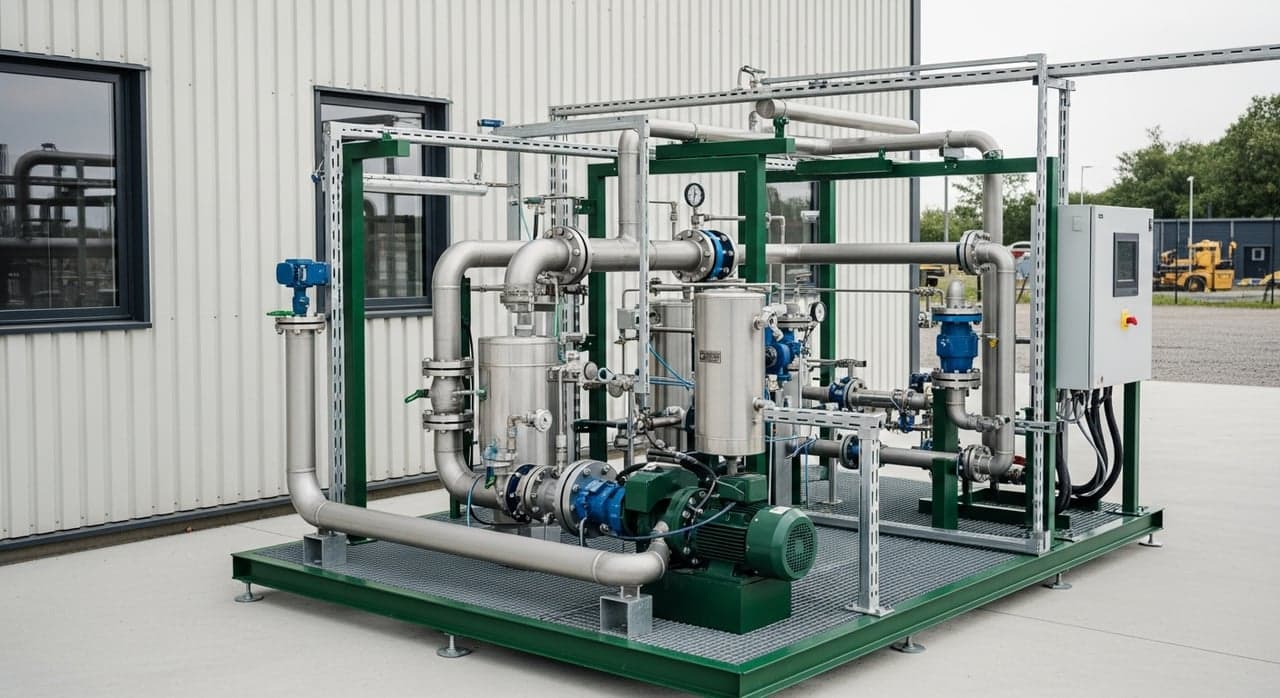
Design Intent and Basis of Safety Development workflow
Define Design Intent / Basis of Safety scope per project phase, concept / FEED / detailed engineering / commissioning, align with CCPS Guidelines for Engineering Design for Process Safety and OSHA PSM 1910.119(d) Process Safety Information.
Document material inventory (flammable, toxic, reactive, cryogenic) and energy inventory (mechanical, thermal, pressure, kinetic) per unit, align with safety data sheets, MOC review, and PHA inputs, specify segregation and quantity limit philosophy.
Specify operating envelope per equipment / unit, pressure / temperature / flow / composition / inventory bounds, define IOW per API RP 584 (critical, standard, informational), align with relief / vent / SIS / alarm setpoints.
Specify containment philosophy, primary (pressure boundary), secondary (bund, blast wall, dike), tertiary (impoundment, emergency containment), specify energy release philosophy, relief, depressurisation, deluge, suppression.
Conduct multi stage Safety in Design (SiD) reviews, concept (HAZID, Bow Tie), FEED (HAZOP, SIL allocation), detailed (HAZOP revalidation, SIL verification), integrate with MOC and PHA assumption set, align with CCPS Inherently Safer Design.
Compile Design Basis Manual covering material / energy inventory, operating envelope, containment philosophy, SiD review outputs, integrate with PSI / PSM documentation, align with operator handover and post startup PHA revalidation.
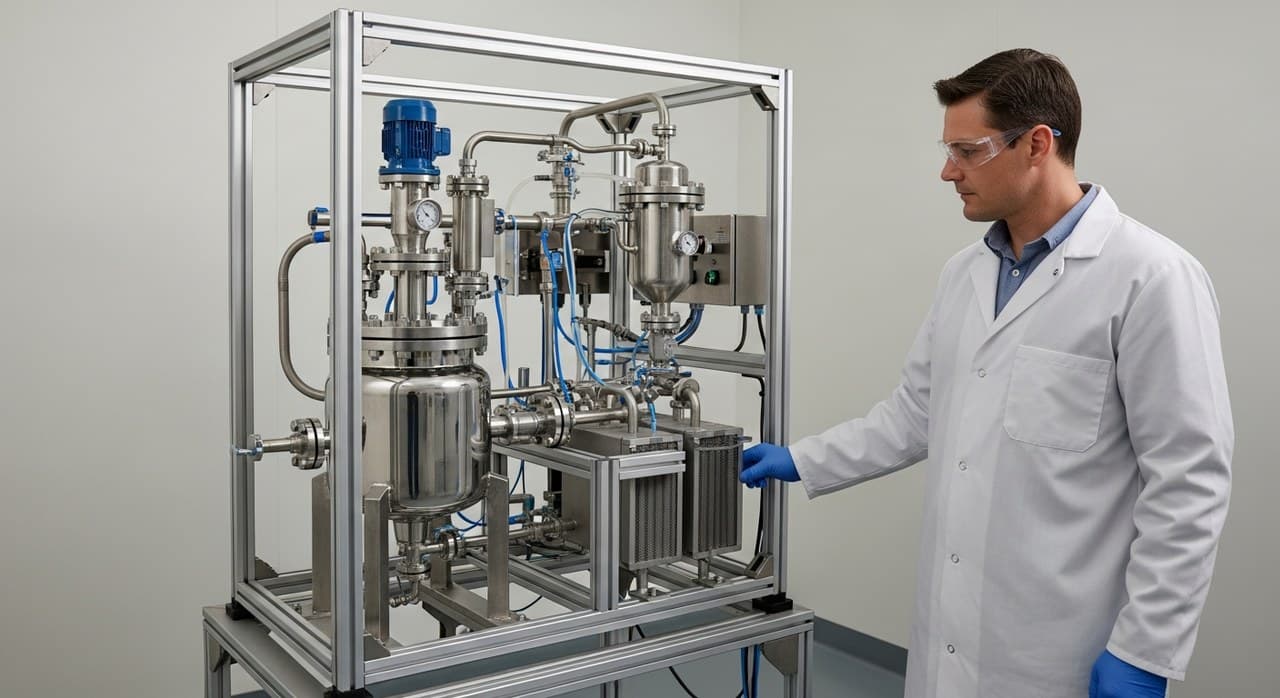
Every deliverable from basis to handover
Complete Design Intent and Basis of Safety Development scope covering every calculation, drawing, specification, and construction support activity.
Outcomes of Design Intent and Basis of Safety Development
- We capture the safety logic behind all design decisions
- We reinforce management of change against the safety baseline
- We support a competent operator handover
- We reduce design drift across the lifecycle
- We keep you compliant with CCPS Risk Based Process Safety
- We support the UK safety case
- We document the design basis for your regulator
- We give you documentation that withstands customer and insurer audit
- We standardise the way design intent is captured
- We improve management of change oversight
- We improve operator training
- We build enduring design knowledge
- We help you avoid re litigating design decisions
- We reduce management of change review cost
- We support merger and acquisition integration
- We give your underwriters documented evidence to assess
Codes & standards we work to
Triggers that signal the need
Where Design Intent and Basis of Safety Development applies
Tangible deliverables
- Design intent and basis of safety document
- Inherent measure inventory
- Safeguard register with performance standards
- Operating limits and integrity operating windows
- Management of change reference baseline
- Audit framework
Send us the scope
We will scope Design Intent and Basis of Safety Development against your site and come back with what it would take. Send us the process conditions, the equipment list and the stage the design has reached.