Hydrogenation, Nitration, Chlorination, and Oxidation Safety
Engineered safety for the four highest hazard reaction families in chemical manufacturing
Hydrogenation, Nitration, Chlorination,
and Oxidation Safety
Four reaction families dominate the catastrophic event record across specialty chemicals, pharma, and agrochemicals. Hydrogenation combines flammability, autoignition, and catalyst pyrophoricity, as seen at Concept Sciences in 1999 and Lubrizol in 2019. Nitration brings explosive decomposition and autocatalysis, as seen at TPC Group in 2019 and Bayer CropScience in 2008. Chlorination carries toxic release, reactive runaway, and the hazards of chlorine handling, as seen at DuPont La Porte in 2014. Oxidation carries a flammability envelope and peroxide and hydroperoxide intermediates, as seen at Williams Olefins in 2013. Each family carries chemistry specific hazards that generic process safety does not address. Our engineering practice combines calorimetric characterisation through DSC, RC1, and ARC per the Stoessel criticality framework, inherently safer redesign such as semi batch dosing for nitration, continuous flow for hydrogenation, sub LFL operation for oxidation, and dilute and scrubbed handling for chlorination, pressure relief and quench design per DIERS, fire and gas detection grids tuned to the chemistry, and operator training that conveys the speed at which these reactions can move from controlled to catastrophic.
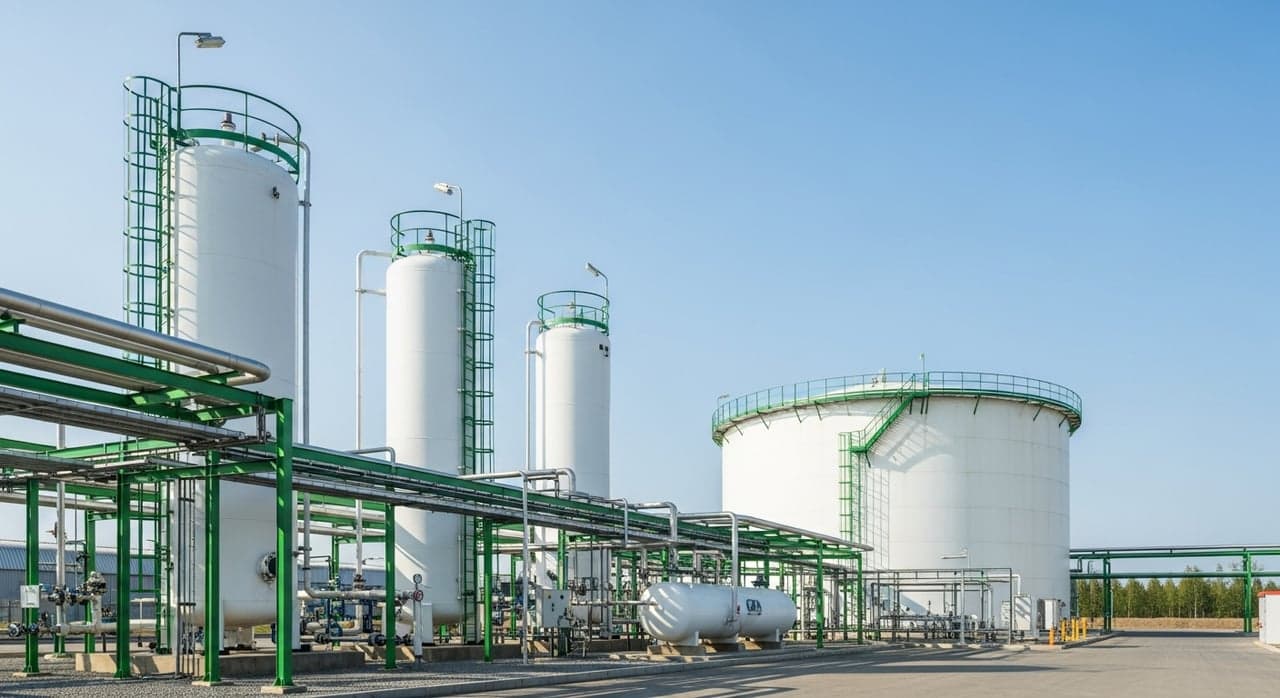
Hydrogenation, Nitration, Chlorination, and Oxidation Safety workflow
Characterise hydrogenation / nitration chemistry, exothermic enthalpy (ΔHr typically 120 to 500 kJ/mol nitration, 100 to 200 kJ/mol hydrogenation), gas evolution (N₂, NOx), runaway potential, byproduct formation, align with CEFIC / IChemE hazardous reaction guidance.
Specify catalyst handling (Pd/C, Pt, Raney Ni) with pyrophoricity / fire hazard, design hydrogen handling per BS EN 60079 (ATEX), H₂ inventory minimisation, leak detection (Honeywell, MSA), purging philosophy (N₂ inert blanket), pressure relief.
Design reactor (autoclave / loop / continuous) with adequate heat removal (jacket + coil + external HX), specify cascade temperature control with cooling failure tripping, align with CCPS Guidelines for Safe Storage and Handling of Reactive Materials.
For nitration, specify mixed acid handling (HNO₃ + H₂SO₄), DSC / ARC characterisation of nitration mass, careful temperature control (typically 10 to 50°C window), water quench emergency response, align with CCPS Reactive Chemicals.
Conduct ATEX zone classification per IEC 60079 10 1, Zone 0 (continuous), Zone 1 (likely), Zone 2 (unlikely), specify inerting (N₂ / Ar) for hydrogen / flammable atmospheres, align with NFPA 69 with O₂ monitoring.
Develop operating procedure with normal / abnormal / emergency response, integrate with HAZOP / LOPA / SIL allocation specifying hydrogen detection trip (SIL 2+), reactor temperature trip (SIL 2+), pressure trip (SIL 1+), align with PSM / SEVESO documentation.
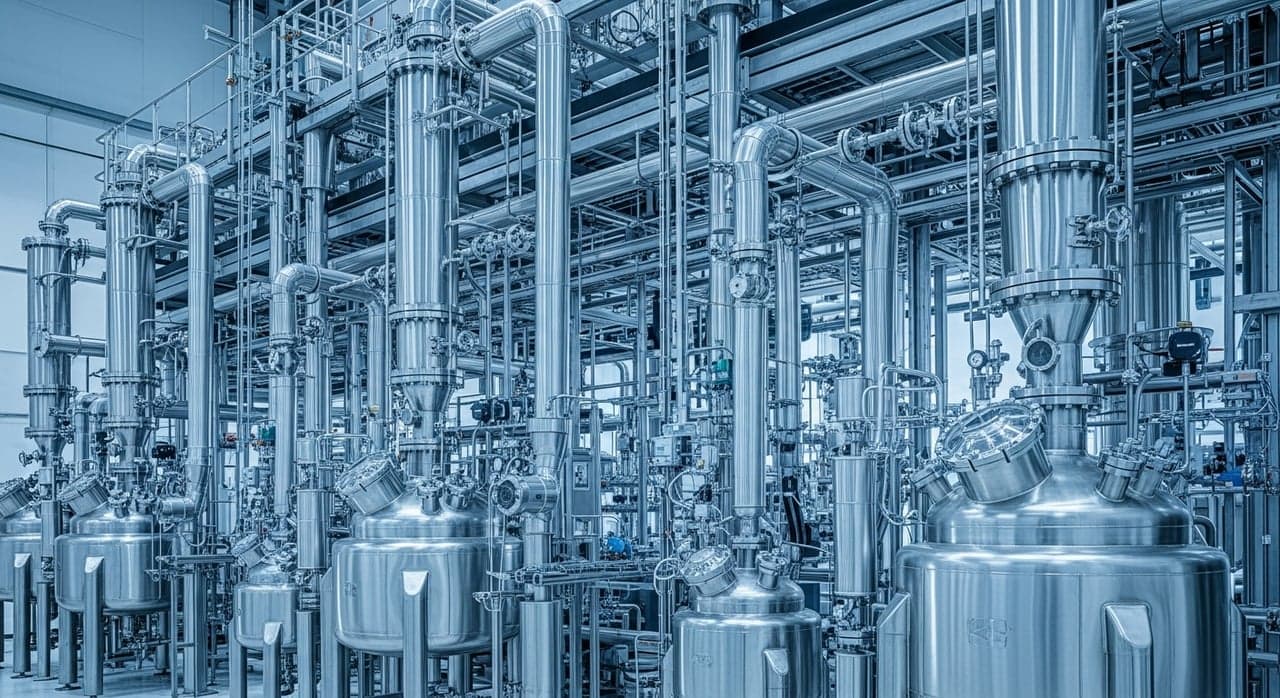
Every deliverable from basis to handover
Complete Hydrogenation, Nitration, Chlorination, and Oxidation Safety scope covering every calculation, drawing, specification, and construction support activity.
Outcomes of Hydrogenation, Nitration, Chlorination, and Oxidation Safety
- We prevent the chemistry specific catastrophic events that generic PSM does not address
- We surface the autocatalytic and accumulation driven runaway pattern unique to each family
- We drive inherently safer design redesign, typically continuous flow, dilute operation, or sub LFL inerting
- We anchor operator competency at the speed appropriate to each chemistry's failure timescale
- We align with the CCPS chemistry specific guidelines for Hydrogenation, Nitration, and Reactive Chemicals
- We support OSHA 1910.119 reactive chemistry covered processes
- We document DIERS based vent sizing with chemistry specific assumptions
- We withstand underwriter scrutiny on high hazard chemistry occupancies
- We drive realistic operator competency on chemistry specific failure modes
- We sharpen MOC discipline for catalyst, reagent, solvent, and dosing rate changes
- We support continuous process and microreactor conversion programmes
- We optimise catalyst, solvent, and inerting selection
- We help you avoid the multi fatality and total loss profile of the TPC Group, Concept Sciences, and Williams Olefins events
- We sequence inherently safer design investment to deliver the largest hazard reduction at lowest capex
- We document reactive chemistry protection for your insurer to assess
- We support premium pricing on safely manufactured products
Codes & standards we work to
Triggers that signal the need
Where Hydrogenation, Nitration, Chlorination, and Oxidation Safety applies
Tangible deliverables
- Chemistry family specific hazard assessment with calorimetric basis
- Inherently safer design recommendation register covering semi batch, continuous, dilute, and sub LFL pathways
- Vent, quench, and emergency cooling sizing per DIERS
- ESD philosophy and cause and effect for the chemistry
- Hydrogen, chlorine, and oxygen handling design where applicable
- Operator competency programme tuned to the chemistry failure timescale
- MOC framework for catalyst, reagent, solvent, and dosing rate changes
- Fire and gas detection grid specification
Send us the scope
We will scope Hydrogenation, Nitration, Chlorination, and Oxidation Safety against your site and come back with what it would take. Send us the process conditions, the equipment list and the stage the design has reached.