Toxic Gas Handling System Engineering
We engineer containment, scrubbing and emergency mitigation for chlorine, ammonia, HF, ethylene oxide, phosgene and hydrogen sulphide service
Toxic Gas Handling
System Engineering
Toxic gas handling systems carry some of the highest catastrophic event potential in the chemical industry. The pattern runs from Bhopal in 1984, where methyl isocyanate killed more than three thousand eight hundred people, through the Mississauga chlorine release of 1979, the Dakar ammonia event of 1992, the recurring HF releases in refining alkylation at Texas City in 1987 and ExxonMobil Torrance in 2015, and the Concept Sciences hydroxylamine incident of 1999. Our team combines inventory minimisation following CCPS inherently safer design principles, double block and bleed isolation to API RP 553, dilute and scrubbed handling architectures, dedicated emergency scrubbers to Chlorine Institute Pamphlet 6, toxic gas detector grids to IEC 60079 29 and ISA TR84.00.07 with multi voting logic, and emergency response procedures aligned to NFPA 1600 and EPA RMP Subpart F. The growth of ammonia as a marine fuel, with Maersk, NYK and MOL ordering ammonia fuelled vessels, has moved ammonia handling design from agricultural and refrigeration use into maritime fuel infrastructure, and that demands fresh technical literacy in cryogenic ammonia rollover, leak detection at low parts per million and toxic dispersion at port and vessel scales.
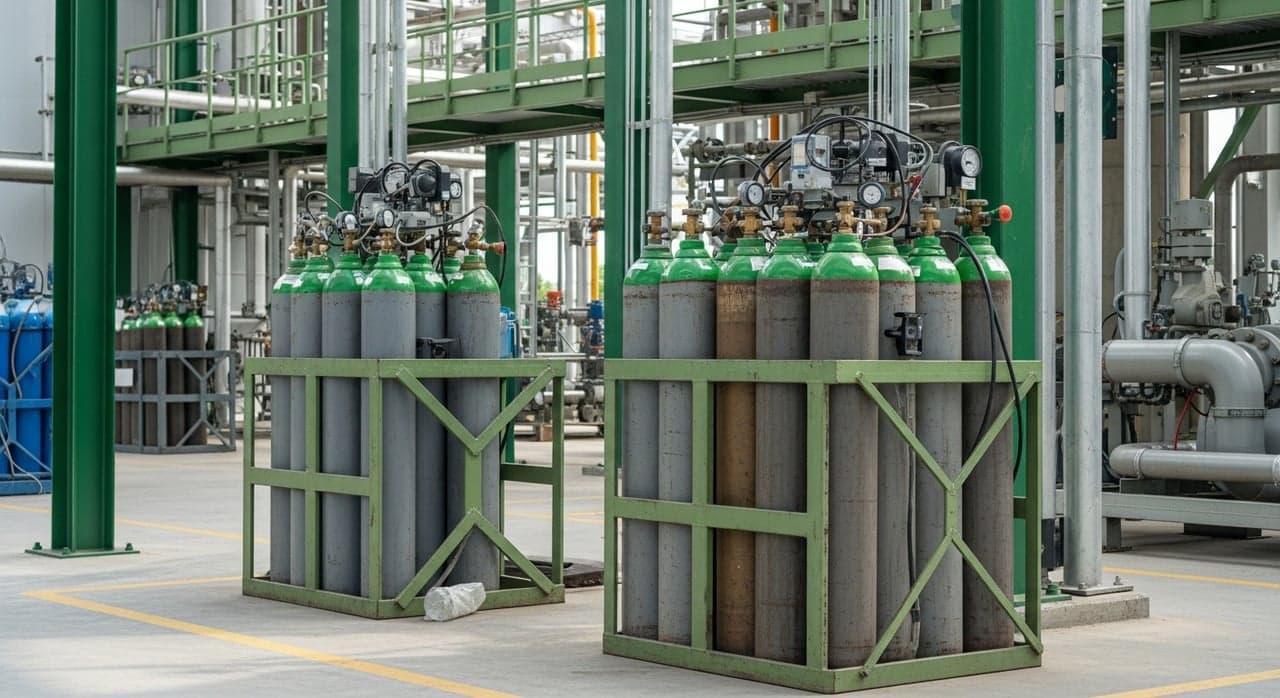
Toxic Gas Handling System Engineering workflow
Catalogue toxic gases per process, Cl₂, NH₃, H₂S, HF, HCl, phosgene, EO, AsH₃, SiH₄, profile per IDLH, AEGL 1/2/3, ERPG 1/2/3, REL/TLV, align with OSHA / NIOSH / AIHA toxicity references.
Design storage per CGA G series (CGA G 3 SO₂, G 6.1 CO₂, G 2.1 NH₃, G 1.6 Cl₂), specify pressure / refrigerated / cryogenic per material, design transfer system with double block and bleed, secondary containment, leak detection.
Specify toxic gas detectors, electrochemical (Cl₂, H₂S, NH₃, CO), IR (CO₂, hydrocarbons), photoionisation (volatile organics), place per ISA TR84.00.07 with coverage modelling, integrate with F&G logic and emergency response.
Design emergency scrubber (caustic, oxidising, reducing per material) per credible worst case release rate from QRA, size absorption tower with adequate residence time, align with EPA RMP / OSHA HAZWOPER scrubber requirements.
Design building ventilation per ASHRAE / OSHA, negative pressure for toxic gas areas, isolation dampers triggered by toxic detection, toxic refuge with positive pressure and filtered air per CCPS Toxic Releases.
Develop emergency response per NFPA 470 hazmat, evacuation per dispersion footprint, decontamination, antidote (amyl nitrite for HCN, calcium gluconate for HF), specify medical surveillance per OSHA / ACGIH.
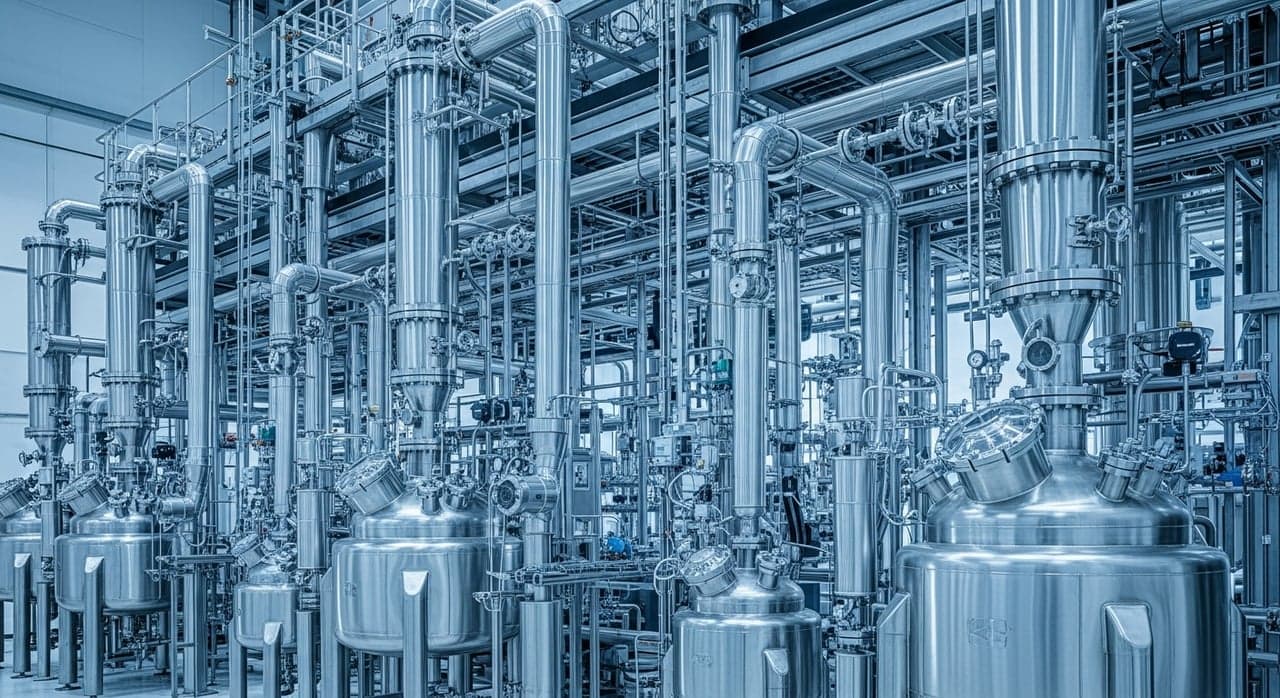
Every deliverable from basis to handover
Complete Toxic Gas Handling System Engineering scope covering every calculation, drawing, specification, and construction support activity.
Outcomes of Toxic Gas Handling System Engineering
- We address the catastrophic toxic release pattern seen at Bhopal, Mississauga and Torrance
- We drive inventory minimisation that cuts consequence at source
- We anchor detector, scrubber and isolation design in quantitative dispersion evidence
- We support a defensible operator training and protective equipment programme
- We produce design that withstands CGA, Chlorine Institute and NFPA 55 scrutiny
- We support the EPA RMP off site consequence analysis
- We give you documentation that holds up to OSHA NEP, HSE COMAH and MoEFCC toxic gas inspection
- We align ammonia fuelled marine systems with the IMO IGC Code
- We reduce nuisance toxic releases through detection and isolation engineering
- We sharpen management of change discipline for inventory and operating condition changes
- We drive realistic emergency drill scenarios
- We anchor operator competency in the specifics of toxic gas service
- We help you avoid the multi fatality and community impact loss profile of toxic gas events
- We reduce the size of the emergency planning zone and protect your community licence
- We document toxic inventory protection for your insurer to assess
- We support licensing and bunkering approval for ammonia, hydrogen and HF facilities
Codes & standards we work to
Triggers that signal the need
Where Toxic Gas Handling System Engineering applies
Tangible deliverables
- Toxic gas system design basis built around inventory minimisation
- Containment and double block isolation specification
- Scrubber and absorber design with emergency capacity sizing
- Toxic gas detector grid and voting logic specification
- Emergency response and decontamination procedure
- EPA RMP and COMAH off site consequence analysis
- Operator training and protective equipment programme
- Management of change framework for toxic gas changes
Send us the scope
We will scope Toxic Gas Handling System Engineering against your site and come back with what it would take. Send us the process conditions, the equipment list and the stage the design has reached.