Electrical Safety
We assess and engineer the electrical hazards that sit outside a process hazard study, from arc flash incident energy and lightning protection risk through statutory electrical safety audit, earthing verification, hazardous area Ex compliance and static control, so that the energy in your switchgear and your earth grid is as well understood as the energy in your process.
Why electrical safety matters
Electrical Safety covers the hazards a process hazard study is not designed to find. A HAZOP examines deviation in a process; it does not calculate how much thermal energy a worker would receive standing in front of an open switchboard, or whether the earth grid still holds the touch potential its design assumed, or whether the flameproof enclosure in Zone 1 was reassembled with the right fasteners. Our team runs arc flash incident energy analysis to IEEE 1584, lightning protection risk assessment to IEC 62305 2, statutory electrical safety audit against the CEA Regulations 2010 and the state factory rules, earthing and bonding verification by measurement to IEEE 81 and IS 3043, hazardous area Ex installation and inspection compliance to IEC 60079 14 and 17, and static electricity hazard assessment to API RP 2003 and NFPA 77. The practice also carries the design side, being the load list, the single line diagrams and the earthing and lightning protection package, which was previously scattered into a multi discipline engineering scope where it received less attention than it needed. Assessment and design now sit together, so the engineer who calculates what an installed system achieves is the one who specified it.
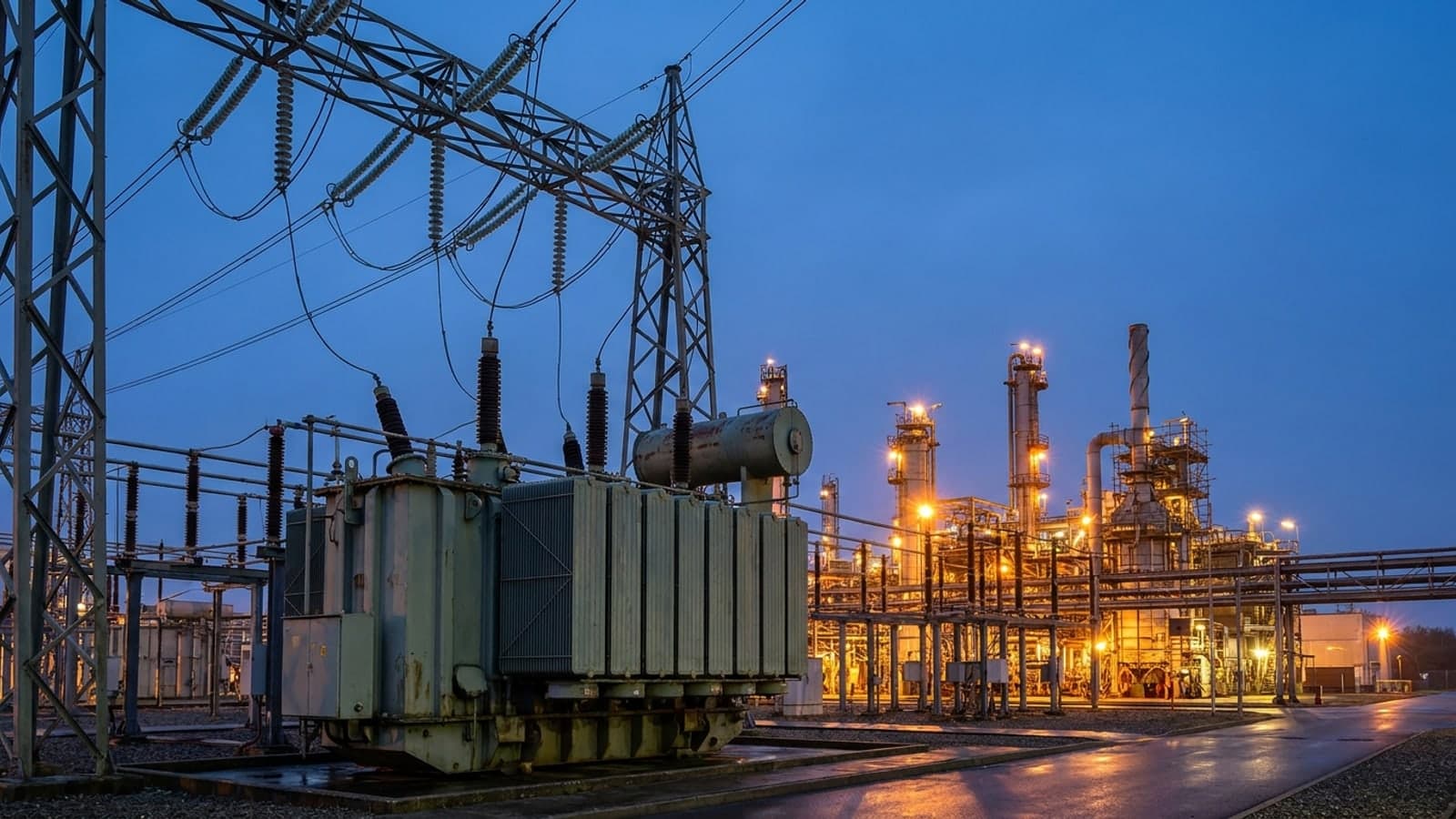
Electrical Safety capabilities
How we deliver
A phased, evidence led delivery model that runs from discovery through close out and is built around your facility, regulatory context, and lifecycle stage.
What this service delivers
- Incident energy known at every working point, with labels the workforce can act on
- A lightning protection level derived from calculation rather than assumption
- A statutory audit report the inspecting authority accepts, with findings ranked on hazard
- An earthing system verified by measurement against the clearing time protection actually delivers
- A hazardous area equipment register that survives an Ex compliance challenge
- Static ignition paths closed at the operations where charge is actually generated
Our differentiators
- Electrical assessment carried out by engineers who also run the process hazard studies, so ignition source findings connect
- Measurement rather than clause checking, covering thermography, earth resistance and touch potential
- Mitigation ranked on the energy reduction achieved, not on the equipment it would sell
- Indian statutory practice and IEC and IEEE international practice handled in one engagement
Delivered together with our specialist services
Safety, environmental, sustainability, and product stewardship outcomes are delivered through our dedicated services below. They are referenced here for completeness, yet not duplicated within Electrical Safety. Click any service to explore its scope.
Classification decides where the zones are. Ex compliance decides whether the equipment standing in them is suitable.
Where a dust hazard analysis identifies static as a credible ignition source, the electrostatic assessment closes it.
Electrical ignition sources feed the scenario set that fire and explosion protection is designed against.
Related services
Our engineers deliver the code compliant safety engineering that keeps your process protected, covering relief systems, flare studies, fire protection, hazardous area classification, safety instrumented system design and alarm rationalisation so that every layer of protection on your facility is sound and well documented.
We engineer the high risk chemistry that most service providers will not touch, working through your reactive systems, thermal hazards, runaway scenarios and the physics of scale up so that you can take demanding processes from concept to commercial production with confidence that the hazards are properly controlled.
Our multi discipline team carries your project from concept through commissioning, bringing process, mechanical, electrical and instrumentation engineering together under one roof so that the design that reaches your site is coherent, buildable and ready to operate safely.
Standards we work to
Industries we serve
- Refineries and Petrochemicals
- Specialty Chemicals and Pharma
- Fertiliser and Heavy Chemicals
- Power Generation and Transmission
- Metals, Mining and Cement
- Warehousing, Terminals and Tank Farms
Frequently asked questions
What is an arc flash study and why is it separate from a HAZOP?
An arc flash study calculates how much thermal energy a worker would receive if an arcing fault occurred at a piece of equipment while it was open, and converts that into an approach boundary, a protective clothing requirement and a decision on whether the work should be done energised at all. A HAZOP examines deviation in a process and does not ask that question. The study is built from an impedance model of the distribution system, a short circuit calculation and a protective device coordination study, because incident energy is governed by how long the fault burns as much as by how large it is. Our team runs it to IEEE 1584 across every credible operating configuration, including tie breaker closed and standby generation.
Is an electrical safety audit a legal requirement in India?
Yes. Periodic electrical safety audit by a competent person is required under the CEA Measures relating to Safety and Electric Supply Regulations 2010 and under the state factory rules made under the Factories Act, and the report is submitted to the inspecting authority. The interval and the reporting format vary by state. Our audit covers the installation from the incoming supply through substations, switchrooms and cable galleries to the point of use, combines clause compliance with thermography, earth resistance and insulation measurement, and ranks findings on consequence and exposure so remedial spend follows the hazard rather than the clause number.
How is the required lightning protection level decided?
It is calculated, not chosen. IEC 62305 2 works from the local ground flash density, the collection area of the structure, its construction and contents, the occupancy and the consequence of loss, and returns a risk that is compared against a tolerable value. That comparison sets the protection level, and the protection level then fixes the rolling sphere radius, the mesh size, the down conductor spacing and the surge protective device coordination. A system installed without that calculation has no defensible basis, whatever hardware is on the roof. For storage tanks we also apply API RP 545, which covers floating roof shunts, bonding and the vent arrangement.
Our earthing system was designed properly. Why would it need testing?
Because the design was calculated on assumed soil resistivity and has not been checked against reality since. The installed grid sits in ground that may not match the assumption, it corrodes over a decade, and later additions are often earthed locally rather than tied back into the grid. We measure soil resistivity by Wenner array, grid resistance by fall of potential, touch and step potential where the calculation is marginal, and bonding continuity across structures, equipment and cable armour. We then compare what we measure against what the design assumed and against the clearing time your protection actually delivers, since a touch potential that is safe at 200 milliseconds may not be at a slower one.
We have a hazardous area classification study. Is that enough?
Classification decides where the zones are. It does not tell you whether the equipment standing in those zones is suitable for them, correctly installed and still compliant, which is a separate assessment under IEC 60079 14 and 17. We check equipment group, temperature class and protection concept against the zone and the material present, verify certification and its conditions, and inspect the detail the protection concept depends on, being flame path condition for flameproof, terminal condition for increased safety and the loop calculation for intrinsic safety. The findings that recur come from ordinary maintenance rather than design, such as a non certified cable gland substitution or an intrinsic safety loop extended without recalculation.
When does static electricity need its own assessment?
When you handle flammable liquids or combustible powders and ordinary earthing practice does not address the hazard, which is most of the time. Charge is generated by flow, splash filling, pneumatic conveying and plant movement, and whether it ignites depends on the charge relaxation of the material, the geometry of the accumulation and the minimum ignition energy of the atmosphere. We assess the operations where charge is generated, identify the credible discharge types by geometry including brush, propagating brush and bulking discharge, and compare available energy against the minimum ignition energy present. The controls that follow are usually operating limits, bonding arrangements and container selection rather than equipment.
Do you design electrical systems as well as assess them?
Yes, and both sit in this practice. We deliver the electrical load list, the single line diagrams, the earthing design to IEEE 80 and IS 3043, the lightning protection system to IEC 62305 and the explosion protected equipment selection to IEC 60079, for new build and for retrofit. That design work used to sit inside a multi discipline engineering scope where it received less attention than it needed. Holding it alongside the assessment work means the engineer who calculates what an installed system actually achieves is the one who knows what it was specified to do.
What triggers a revalidation of an arc flash study?
Any change that alters fault current or clearing time. A transformer upgrade, a new incomer, a change of utility fault level, a protection setting change or a new switchboard all change downstream results, and a study that predates the change is describing a network that no longer exists. NFPA 70E expects the study to be reviewed at defined intervals and after significant modification. We state the triggers explicitly in the report and set the review interval, so the revalidation is scheduled rather than discovered after an incident.
Talk to us about electrical safety.
We will come back with the scope, the standards it would be run to and what it would take. Tell us which part of electrical safety you need and the site it applies to.