Arc Flash Hazard Analysis and Incident Energy Study
We model the distribution network, calculate incident energy at every working point and issue the labels, boundaries and work practice the numbers actually support
Arc Flash Hazard Analysis
and Incident Energy Study
An arc flash study answers a question a process hazard study never asks. It establishes how much thermal energy a worker would receive at a given piece of equipment if an arcing fault occurred while the enclosure was open, and it converts that into an approach boundary, a protective clothing requirement and a decision about whether the work should be done energised at all. Our work builds the impedance model of the distribution system from the utility infeed down, runs short circuit and protective device coordination, and calculates incident energy to IEEE 1584 across every credible operating configuration, because a plant running on a tie breaker or on standby generation is not the plant the original study modelled. The result that matters is rarely the highest number. It is the working point where a slow upstream device leaves a fault burning long enough to turn a modest fault current into a severe exposure, and that is usually corrected with a setting change rather than with heavier clothing.
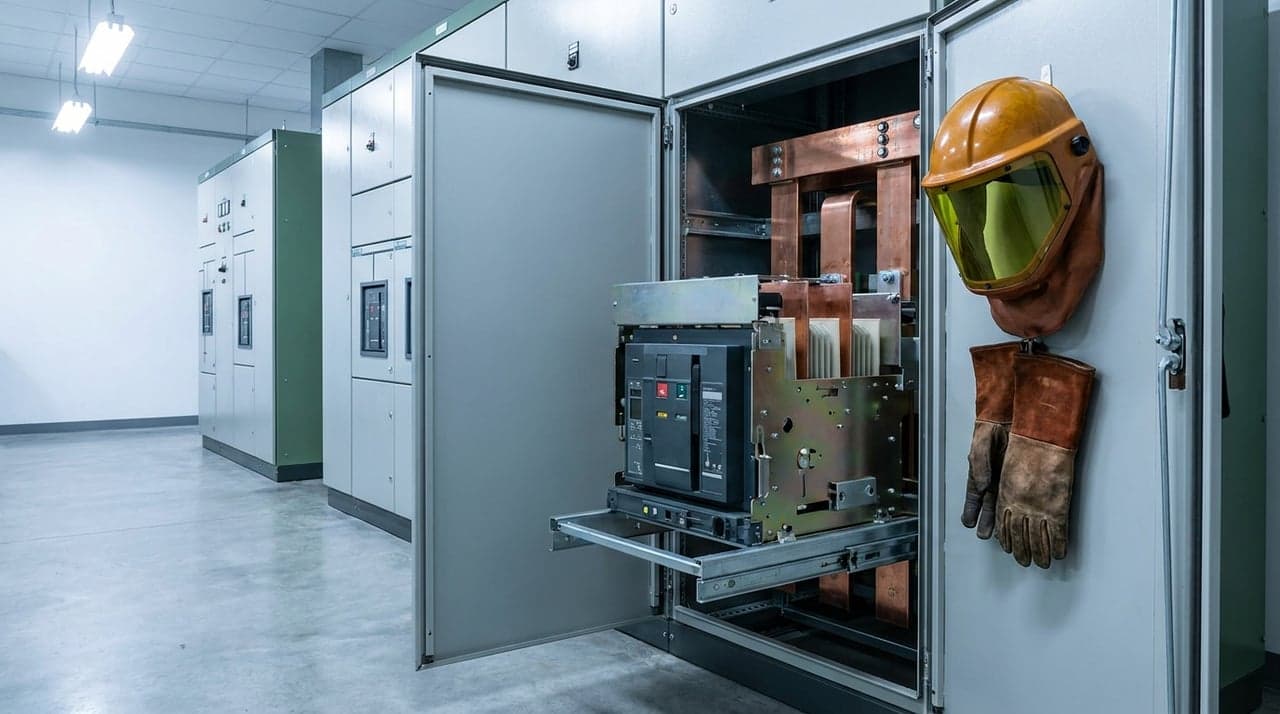
Arc Flash Hazard Analysis and Incident Energy Study workflow
Verify the single line diagram against the installation, and collect utility fault levels, transformer and cable data, and protective device settings.
Build the impedance model of the distribution system, including generation, motor contribution and every credible operating configuration.
Run short circuit and protective device coordination, since incident energy is governed by clearing time as much as by fault current.
Calculate the hazard at each working point across the operating configurations, and identify where the result is driven by a slow upstream device.
Test setting changes, maintenance mode, arc resistant equipment and remote operation, and rank them on the reduction each actually delivers.
Issue the equipment labels, the boundary and PPE schedule, and the energised work procedure that the calculation supports.
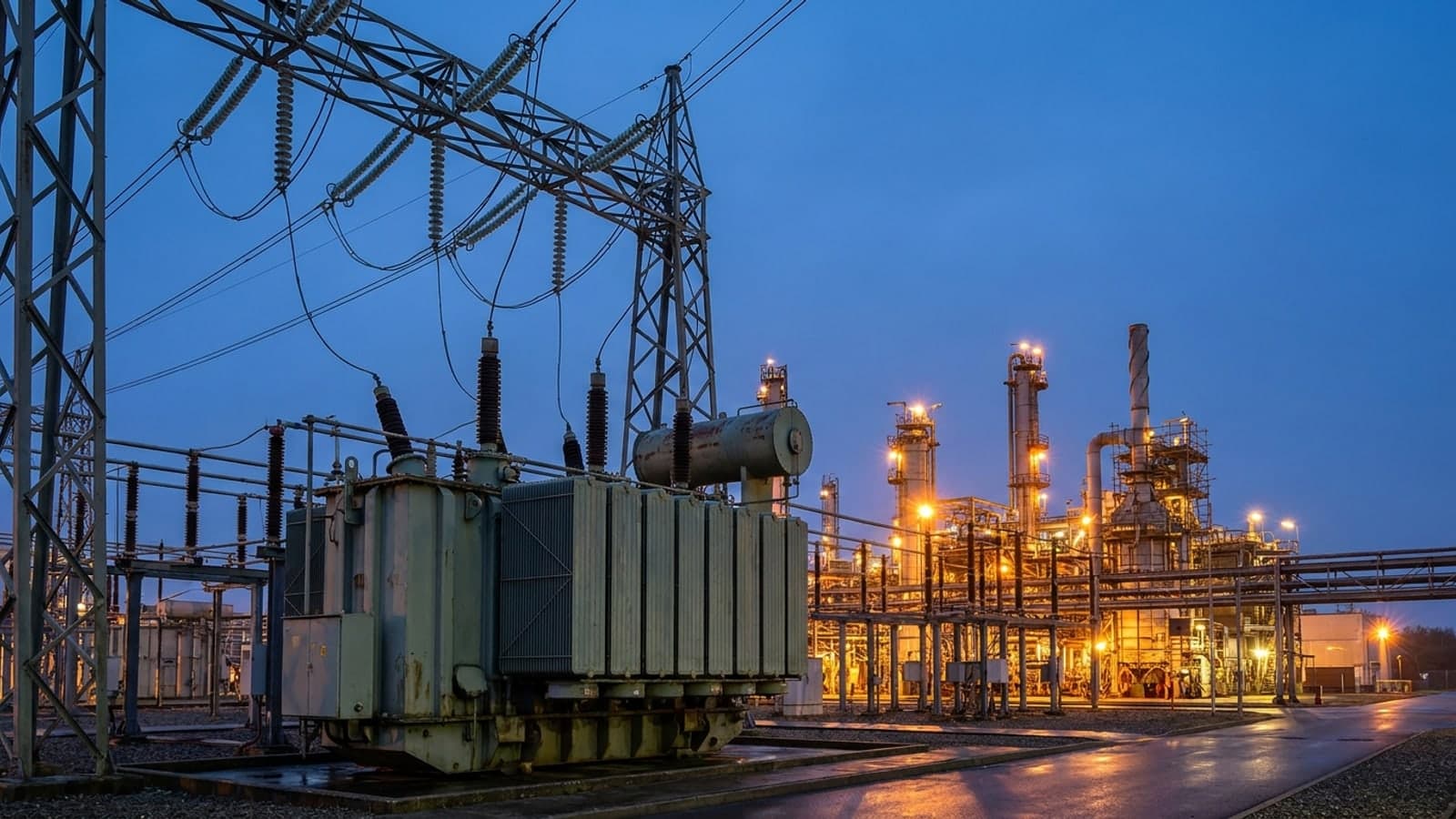
Every deliverable from basis to handover
Complete Arc Flash Hazard Analysis and Incident Energy Study scope covering every calculation, drawing, specification, and construction support activity.
Outcomes of Arc Flash Hazard Analysis and Incident Energy Study
- We quantify the thermal exposure at each working point
- We identify the tasks that should not be done energised
- We match protective clothing to the calculated energy rather than to habit
- We remove the guesswork from switching and racking decisions
- We calculate to IEEE 1584 and work practice to NFPA 70E
- We label equipment to NEC Article 110.16
- We support CEA Regulations 2010 obligations in India
- We produce a study a competent authority can follow
- We correct protection settings that were never coordinated
- We enable maintenance switching modes where they help
- We reduce the equipment damage a sustained arc causes
- We make switching procedures specific to the equipment
- We target arc resistant equipment where it earns its cost
- We avoid over specifying protective clothing across the site
- We reduce outage duration by making energised work decisions defensible
- We lower the plant damage exposure a slow clearing fault carries
Codes & standards we work to
Triggers that signal the need
Where Arc Flash Hazard Analysis and Incident Energy Study applies
Tangible deliverables
- Verified single line diagram of the modelled network
- Short circuit study with fault levels at each bus
- Protective device coordination study with recommended settings
- Incident energy results by equipment and operating configuration
- Arc flash boundary and PPE category schedule
- Printed equipment labels ready to apply
- Mitigation options ranked on energy reduction achieved
- Energised work permit criteria and switching procedure input
Send us the scope
We will scope Arc Flash Hazard Analysis and Incident Energy Study against your site and come back with what it would take. Send us the process conditions, the equipment list and the stage the design has reached.