Pipeline and Storage Tank Integrity Management
Integrity programmes to API 1160, API 653, and PHMSA, driven by in line inspection, direct assessment, and damage mechanism science
Pipeline and Storage
Tank Integrity Management
Pipeline Integrity Management Programmes and Tank Integrity Management Programmes translate API 1160 for liquid pipelines, API 1163 for in line inspection qualification, API 570 for in service piping, API 653 for above ground storage tanks, and PHMSA 49 CFR Part 192 for gas and Part 195 for liquid into inspection, monitoring, repair, and re rating programmes specific to your assets. The PHMSA mega rule for Gas Transmission Pipeline Safety, with Phase 1 effective in July 2020, Phase 2 effective in May 2023, and Phase 3 in 2025, significantly expanded the requirements for High Consequence Areas, Moderate Consequence Areas, and assessment methods following the San Bruno event of 2010 with eight fatalities, the Marshall Michigan Enbridge dilbit spill of 2010, and the Aliso Canyon event of 2015. Our team combines in line inspection tool selection across MFL, UT, EMAT, calliper, and geometry tools that typically run on five to seven year intervals depending on the threat profile, direct assessment for unpiggable segments using ECDA for external corrosion, ICDA for internal corrosion, and SCCDA for stress corrosion cracking, API 653 out of service and in service tank inspection with bottom plate MFL and shell UT scanning, and increasingly fibre optic distributed sensing through DAS and DTS for leak and ground movement detection.
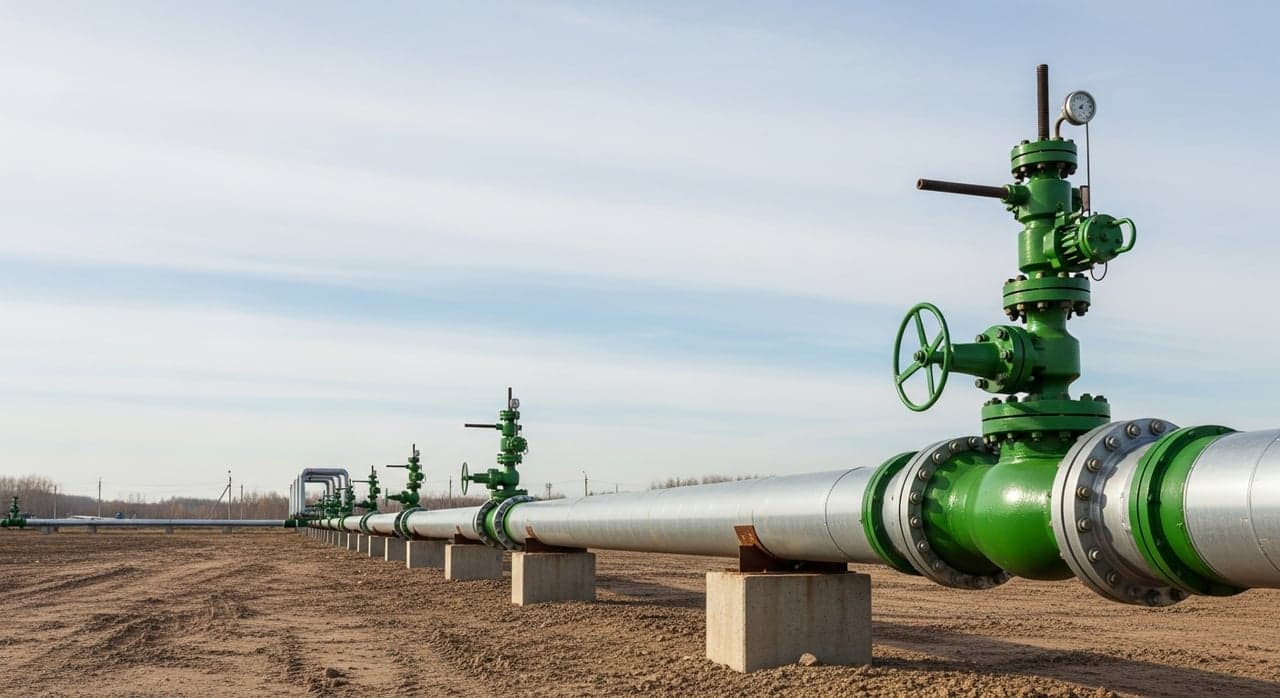
Pipeline and Storage Tank Integrity Management workflow
Catalogue threats per ASME B31.8S / API 1160, external corrosion, internal corrosion, SCC, manufacturing defects, construction / fabrication, equipment, third party damage, incorrect operations, weather / outside force, build pipeline threat register.
Design inline inspection programme, MFL (corrosion / pitting), UT (wall loss), EMAT (SCC), Caliper (geometry), IMU (strain), specify ILI tool capability (sizing accuracy, POD, POI), align with API 1163 ILI Systems Qualification.
Assess ILI detected defects per ASME B31G / ModifiedB31G / RSTRENG, calculate failure pressure and predicted burst, verify MAOP per Subpart H (PHMSA 49 CFR 192/195), integrate with hydrostatic test programme.
Design CP system per NACE SP 0169, sacrificial anode or impressed current, specify CP monitoring (CIPS, DCVG, ACVG), design internal corrosion programme, chemical inhibition, pigging, biocide treatment, align with NACE / API standards.
Design External Corrosion Direct Assessment (ECDA) per NACE SP 0502 with indirect inspection, direct examination, post assessment, design Internal Corrosion Direct Assessment (ICDA) per NACE SP 0206, align with high consequence area (HCA) coverage.
Author Integrity Management Programme per ASME B31.8S / API 1160 / PHMSA 49 CFR 192/195 Subpart O, prepare for PHMSA inspection / FERC audit, maintain inspection records, calculation files, and MOC integration.
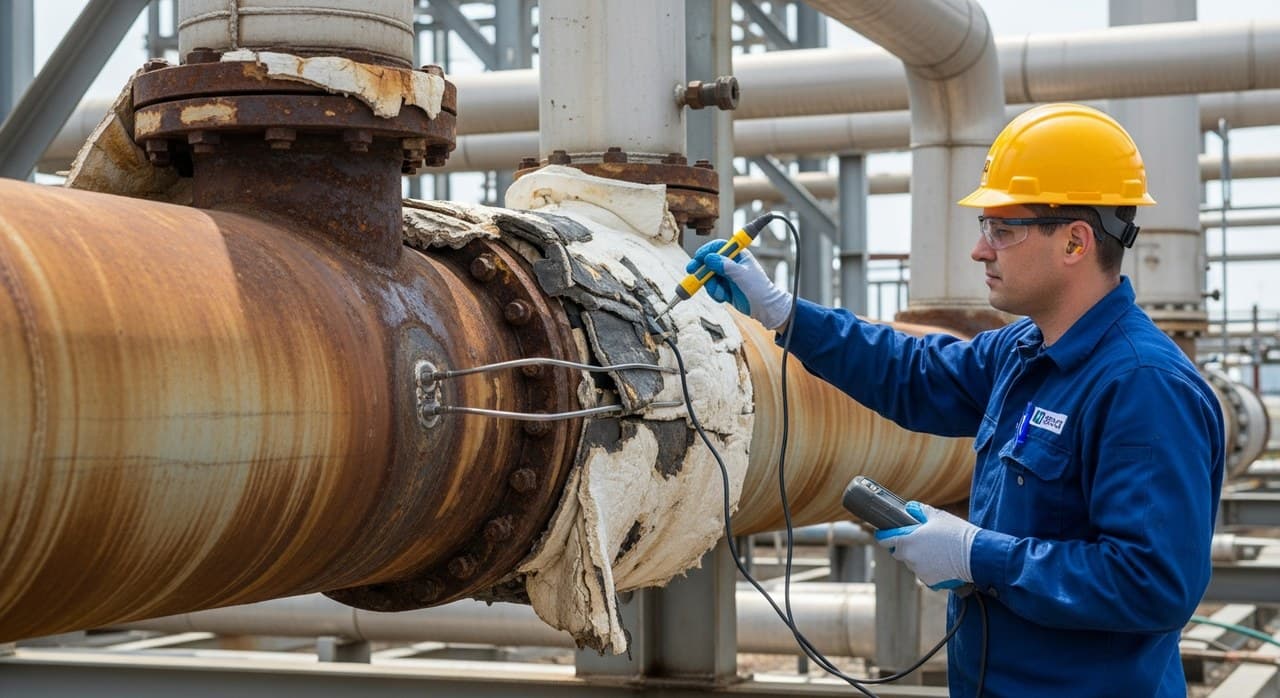
Every deliverable from basis to handover
Complete Pipeline and Storage Tank Integrity Management scope covering every calculation, drawing, specification, and construction support activity.
Outcomes of Pipeline and Storage Tank Integrity Management
- Lowers both release frequency and consequence
- Identifies the high risk segments for inspection
- Reinforces leak detection capability
- Supports prioritisation driven by High Consequence Areas
- Tracks to API 1160, 653, and 570
- Documents compliance with PHMSA 49 CFR 195
- Supports OISD STD 141 in India
- Produces documentation that withstands regulator and AHJ scrutiny
- Optimises inspection scope and frequency
- Improves your response to anomalies
- Tightens the corrosion control programmes
- Supports right of way management
- Defers full replacement through targeted repair
- An anomaly register with inspection and repair priorities
- Optimises inspection capex
- Documents transmission risk for your insurer to assess
Codes & standards we work to
Triggers that signal the need
Where Pipeline and Storage Tank Integrity Management applies
Tangible deliverables
- An Integrity Management Plan
- A threat assessment with risk ranking
- An in line inspection data review and anomaly register
- An API 653 tank inspection report
- A repair prioritisation matrix
- An annual programme report
Send us the scope
We will scope Pipeline and Storage Tank Integrity Management against your site and come back with what it would take. Send us the process conditions, the equipment list and the stage the design has reached.