Vent Sizing Package Data Generation
We generate DIERS compliant laboratory data for two phase vent sizing
Vent Sizing Package
Data Generation
When every preventive layer has failed and a reaction runs away, the emergency relief vent is the last barrier between the vessel and rupture. The DIERS programme exists because conventional vapour only sizing dangerously under sizes that vent whenever the relieving flow is two phase. Correct sizing therefore depends on real measured kinetics rather than handbook assumptions, which means low thermal inertia adiabatic calorimetry using VSP2, Phi Tec II and ARSST that captures the self heat rate, peak pressure rise rate and gassy versus vapour behaviour of the actual runaway. We generate that data under DIERS protocols and, just as important, we interpret it for the vent designer by classifying the system, deriving the sizing basis and flagging tempered, gassy or hybrid behaviour, so the relief calculation rests on the true energetics of the reaction rather than a conservative guess that may still be wrong.
How the study is executed
We open at scenario definition (diers) and close at documentation & pha integration, and each stage hands the next one a record rather than a summary of it.
Define vent sizing scenarios per DIERS, runaway reaction, fire case external heat, blocked outlet, control failure overfill, align with AIChE DIERS Workbook and IChemE Workbook for the Estimation of Reactor Stability.
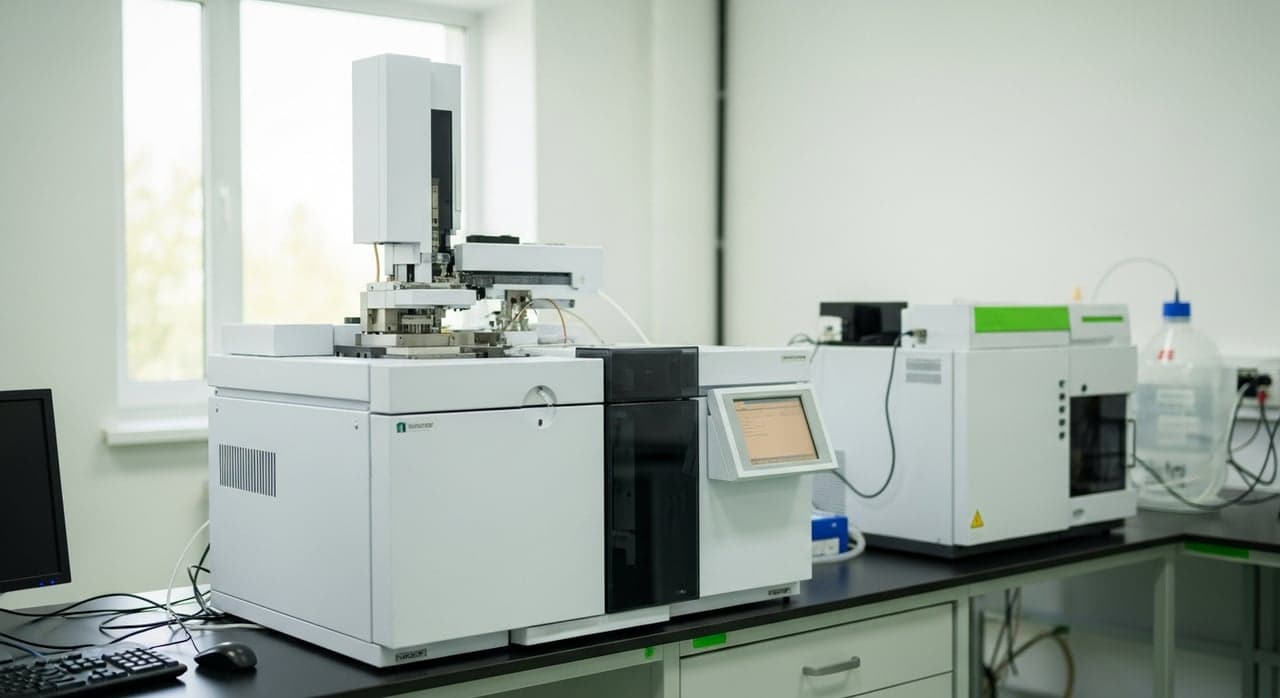
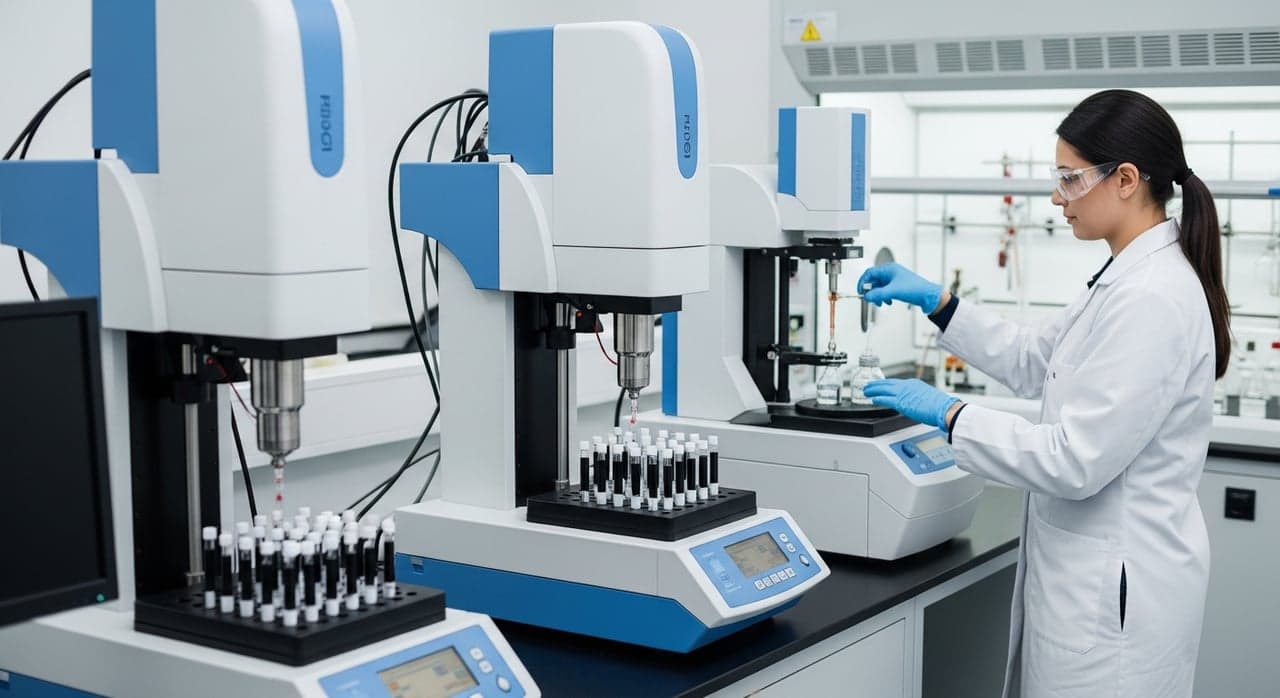
Conduct vent sizing calorimetry, VSP2 (Vent Sizing Package 2) or Phi TEC II with adiabatic operation, measure dT/dt, dP/dt, gas evolution rate, and two phase flow regime, align with DIERS test methodology.
Characterise two phase flow regime per DIERS Omega method, homogeneous, bubbly, churn turbulent, measure / calculate void fraction, droplet entrainment, and quality, align with API 520 / AIChE DIERS / OMEGA.
Calculate vent area per DIERS, Leung simplified method (homogeneous vapour liquid disengagement), Fauske rigorous method, Omega method, or HEM (Homogeneous Equilibrium Model), align with API 520 / API 521.
Size vent piping per API 520 / API 521 with two phase flow Fanno / isothermal correlations, size knock out drum / catch tank with API 521 Section 7, specify drainage to safe location per RAGAGEP.
Compile vent sizing report with raw calorimetric data, design calculations, P&ID mark up, integrate with HAZOP / SIL allocation and SRS, align with OSHA PSM relief device design documentation.
What the study covers in full
Outcomes of Vent Sizing Package Data Generation
- We provide validated data for runaway vent sizing
- We help prevent under vented decomposition events
- We support realistic vent area calculation
- We strengthen emergency relief design
- We adhere to the DIERS methodology
- We support OSHA reactive chemistry programmes
- We document the CCPS emergency relief basis
- We produce work that withstands regulator and insurer review
- We reduce nuisance vent activation
- We strengthen management of change for new chemistry
- We improve operator confidence in the relief design
- We drive credible emergency response planning
- We right size the vent area and avoid both over and under sizing
- We help you avoid the cost of catastrophic vent failure
- We reduce the size of the effluent handling system
- We support insurance underwriting
Codes & standards we work to
Triggers that signal the need
Where Vent Sizing Package Data Generation applies
Tangible deliverables
- VSP, Phi Tec and ARSST test report
- Flow regime classification
- Two phase flow model input
- Engineering interpretation
- Vent sizing calculation worksheets
- Effluent system design basis
Send us the scope
We will scope Vent Sizing Package Data Generation against your site and come back with what it would take. Send us the unit, the P&ID revision it sits at and the inventory it holds.