Thermal Stress and Illumination Surveys
Assessment of heat stress, cold stress, and workplace illumination
Thermal Stress and Illumination
Surveys
Heat, cold, and light are easily dismissed as comfort issues, yet each acts directly on the body and the brain. Heat strain raises core temperature and degrades vigilance and decision making well before collapse, cold impairs dexterity and judgement, and inadequate or glaring illumination drives error and incident rates in exactly the tasks where precision matters. Our team quantifies these stressors against their recognised physiological basis. We carry out WBGT heat stress assessment to ACGIH and ISO 7243 referenced to the metabolic workload and the predicted heat strain model of ISO 7933, cold stress evaluation to ISO 11079, and task based illumination surveys against the IES and BIS criteria. The output is not a thermometer reading but an exposure judgement with engineered and administrative controls such as work rest regimes, acclimatisation, ventilation, and lighting design, sized to keep physiological strain and error risk inside defensible limits.
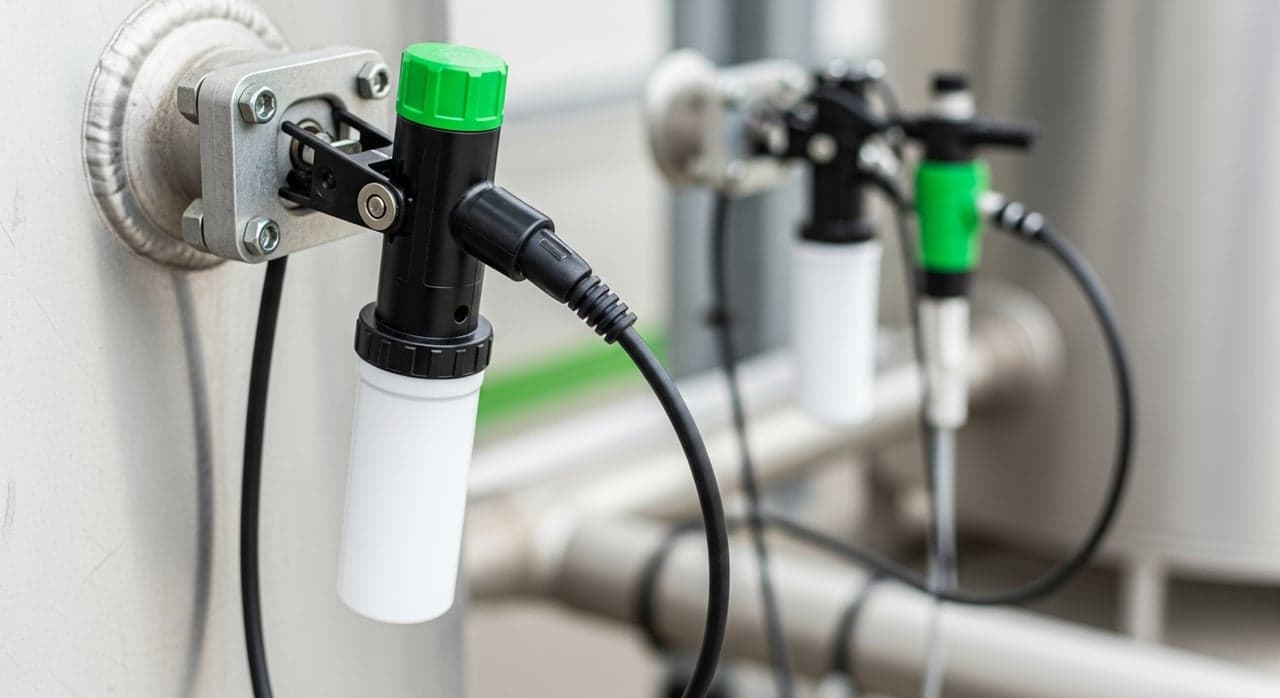
Our implementation model
We fix the standards that apply to your site before we open at heat stress risk assessment, and we do not close at surveillance & training programme until they are met.
Assess heat stress per ISO 7933 (PHS Predicted Heat Strain) / NIOSH Heat Stress Criteria / ACGIH TLV, measure WBGT (Wet Bulb Globe Temperature), air temperature, humidity, radiant heat, air velocity, profile metabolic rate per ISO 8996.
Assess cold stress per ISO 11079 (IREQ Insulation REQuired) / ACGIH TLV, wind chill index, exposure time at cold extremities, identify hypothermia / frostbite risk, align with cold weather PPE per ISO 11079.
Specify work rest regime per ACGIH TLV / NIOSH Heat Stress, work rest ratio per WBGT and metabolic rate, specify hydration schedule (typically 4 to 8 oz every 15 to 20 minutes per OSHA Heat Illness Prevention).
Conduct illumination survey per IES Lighting Handbook / EN 12464 1, illuminance (lux) measurement per task, uniformity, glare (UGR, Unified Glare Rating), colour rendering (Ra), flicker, align with task visual demand.
Specify engineering controls per ISO 7243 / EN 12464, shading, reflective surfaces, ventilation, cooling (spot cooling, refrigeration), thermal insulation (cold work), lighting upgrade (LED, fixture replacement), align with energy efficiency.
Design medical surveillance, heat illness incidence tracking, pre placement / periodic medical exam, biological monitoring, deliver training on heat / cold stress recognition, hydration, work rest discipline, align with OSHA Heat Illness Prevention.
Thermal Stress and Illumination in full scope
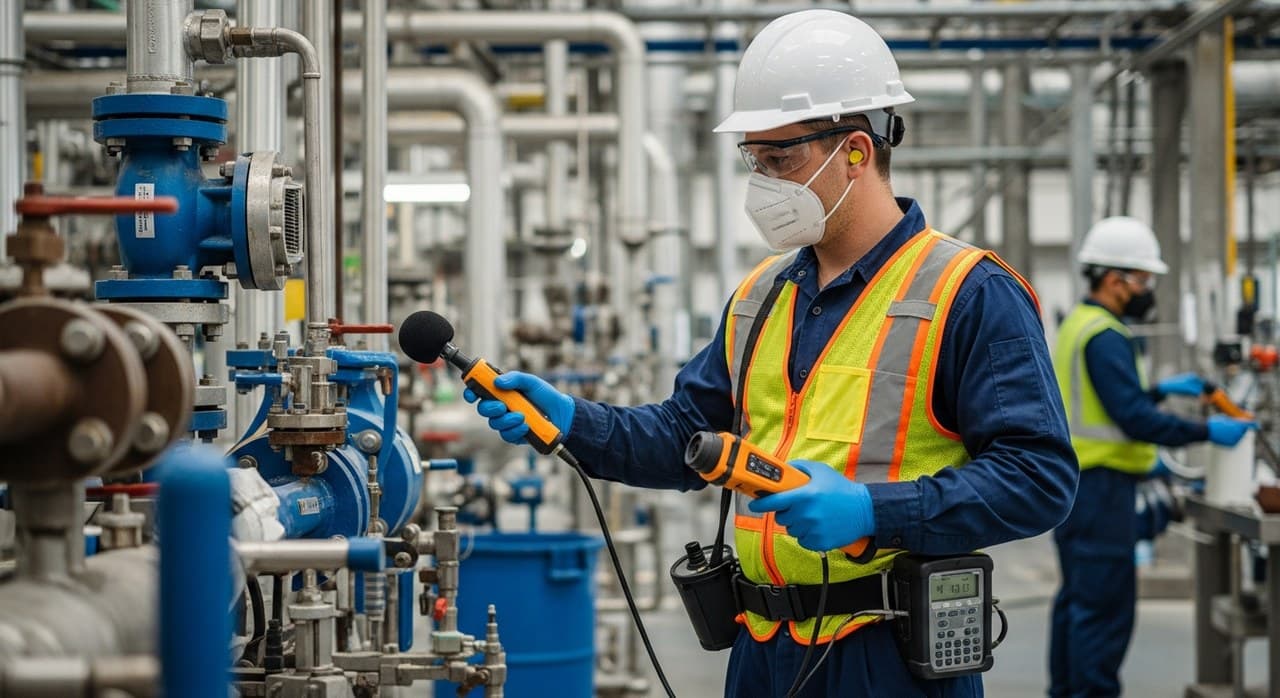
Value of Thermal Stress and Illumination Surveys
- Prevents heat exhaustion and cold injury
- Reduces fatigue related incidents
- Improves performance on visual tasks
- Supports safe emergency egress
- Tracks to the ACGIH and ISO standards
- Documents Factories Act illumination compliance
- Supports OSHA heat illness prevention
- Withstands worker compensation scrutiny
- Improves productivity and quality
- Reduces absenteeism
- Underpins realistic shift planning
- Optimises HVAC and lighting design
- Cuts heat illness and ergonomic claims
- Reduces lighting and HVAC energy
- Supports productivity gains
- Improves worker retention
Codes & standards we work to
Triggers that signal the need
Where Thermal Stress and Illumination Surveys applies
Tangible deliverables
- A thermal stress survey report
- A WBGT measurement record
- A work rest regime recommendation
- An illumination survey report
- A control hierarchy recommendation
- Emergency lighting validation
Send us the scope
We will scope Thermal Stress and Illumination Surveys against your site and come back with what it would take. Tell us the site, the consents it holds and what it is measured against.