Failure Analysis and Root Cause Analysis (RCA)
We combine metallurgical and process forensics with structured root cause analysis to close the recurrence loop on capital equipment failures
Failure Analysis and Root
Cause Analysis (RCA)
Failure analysis and root cause analysis of equipment failures combine metallurgical examination such as scanning electron microscopy with energy dispersive x ray, optical microscopy, fractography, hardness mapping and chemical composition, fluid and corrosion forensics such as inductively coupled plasma analysis, ion chromatography, gas chromatography mass spectrometry and deposit characterisation, and structured causal analysis methods such as TapRooT, Apollo RCA, the five whys, Cause Map, Ishikawa and TRIPOD, to identify why a vessel ruptured, a tube failed, a compressor crashed or a pipeline leaked. Our team distinguishes this work from blame focused incident review through systematic evidence preservation, multi layer causal exploration across the immediate, intermediate, root and latent levels, and recommendation development that addresses programmatic gaps and not just the specific failure. CSB investigated events such as the Tesoro Anacortes high temperature hydrogen attack, the Williams Olefins de ethaniser overfill and the Husky Superior HF release demonstrate the cost of inadequate analysis, namely repeat events at sister facilities and across industries. We integrate ASM Failure Analysis Handbook techniques, the API RP 571 damage mechanism reference, IChemE Loss Prevention Bulletin learnings, and a digital evidence chain of custody for litigation defence.
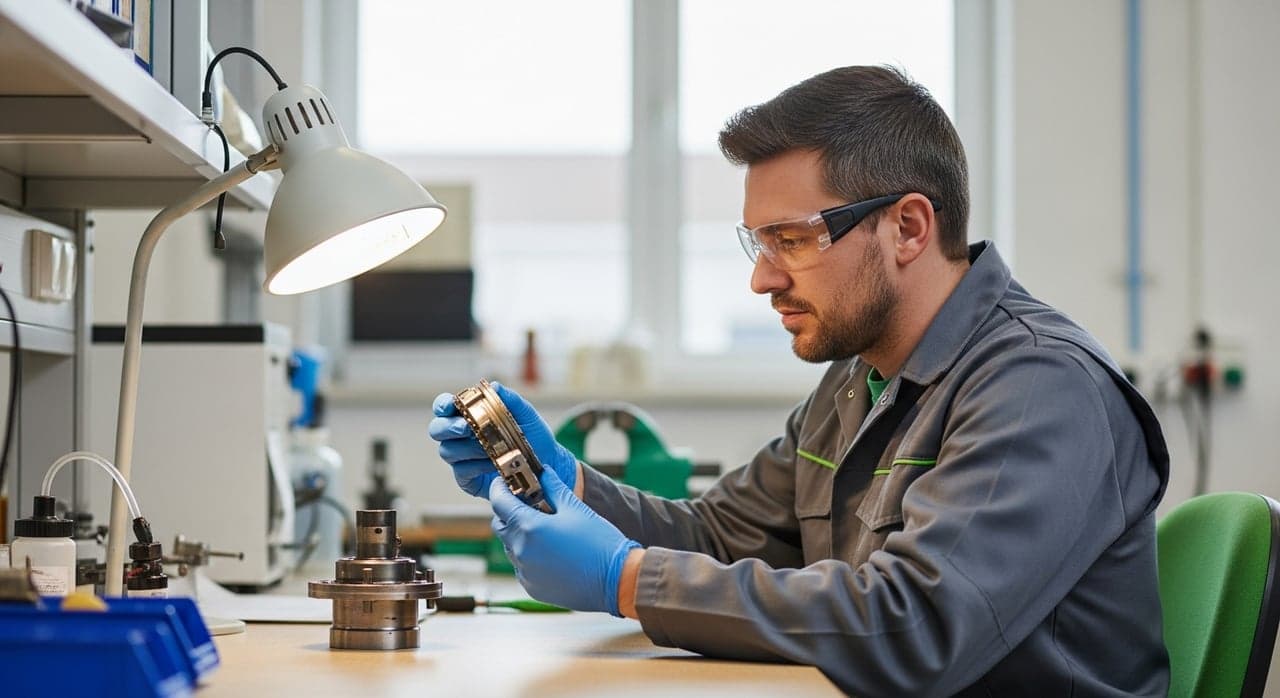
Failure Analysis and Root Cause Analysis (RCA) workflow
Scope investigation per CCPS Guidelines for Investigating Process Safety Incidents, preserve physical evidence (failed component, residue, debris pattern) per IEC 62740 chain of custody, secure DCS / historian data and witness statements.
Identify candidate failure modes per ASM Handbook / API 689, overload, fatigue, corrosion, wear, brittle / ductile fracture, creep, environmental cracking, align with API RP 571 damage mechanism catalogue, conduct visual / macroscopic examination.
Conduct laboratory analysis, metallography, fractography (SEM, EDX), chemical analysis (OES, XRD), hardness profile, mechanical testing, identify root failure mode (initiating mechanism) vs contributory factors, align with ASTM E series test methods.
Apply systematic causal analysis, Why Tree / TapRoot / Apollo / Causal Chain per IEC 62740, identify physical root (immediate), latent root (system / management), organisational / cultural factors, align with CCPS / OSHA accident investigation methodology.
Develop corrective actions per hierarchy of controls, elimination, substitution, engineering, administrative, PPE, specify monitoring KPIs for corrective action effectiveness, align with MOC for engineering / procedural changes, integrate with PHA revalidation.
Issue investigation report with executive summary, evidence pack, causal analysis, corrective actions, and recurrence prevention strategy, share lessons learned across sites and corporate, integrate with API RP 754 PSE indicators and CCPS RBPS Incident Investigation element.
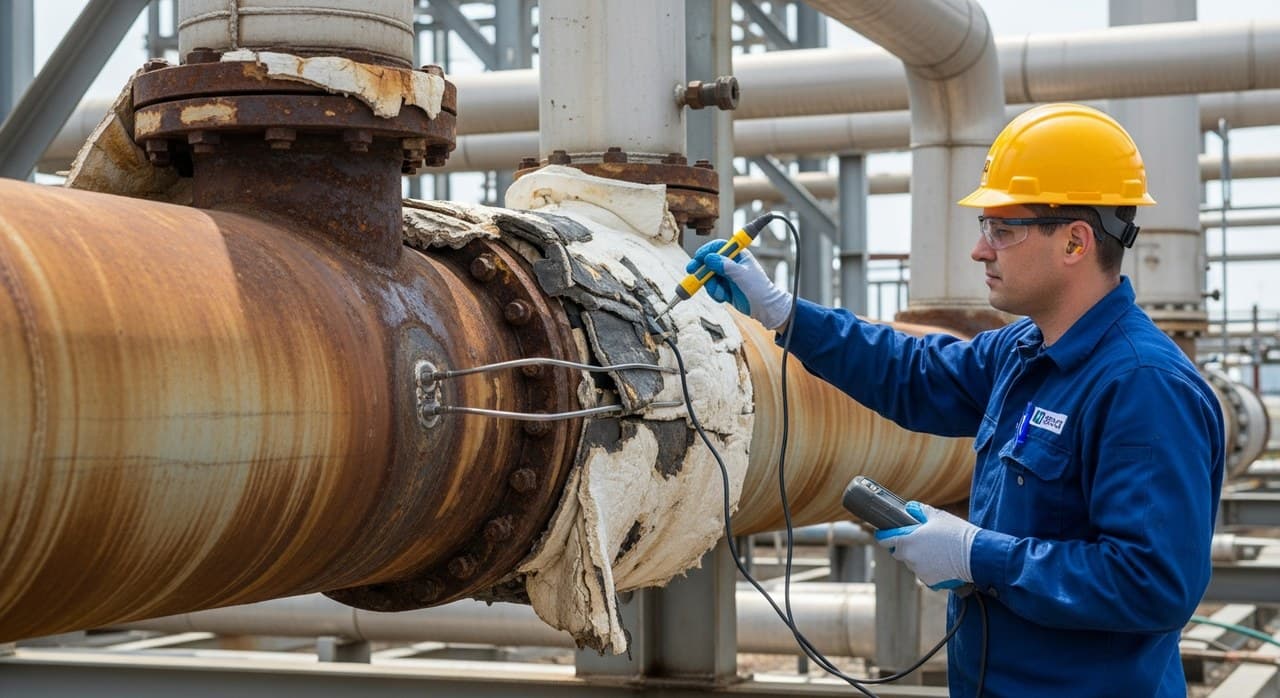
Every deliverable from basis to handover
Complete Failure Analysis and Root Cause Analysis (RCA) scope covering every calculation, drawing, specification, and construction support activity.
Outcomes of Failure Analysis and Root Cause Analysis (RCA)
- We prevent recurrence at the failed site and at sister facilities
- We surface the programmatic gaps that single failure responses miss
- We anchor damage mechanism awareness across operations and engineering
- We build organisational learning from individual events
- We give you OSHA PSM 1910.119(m) incident investigation documentation that withstands scrutiny
- We produce work that withstands CSB, HSE and equivalent regulator forensic examination
- We support prosecution and litigation defence with chain of custody evidence
- We align with the CCPS Risk Based Process Safety incident investigation element
- We identify management of change, training and inspection gaps from single failures
- We drive realistic operator awareness by communicating the failure mechanism
- We build an organisational learning culture
- We support vendor warranty and product defect dialogue
- We help you avoid repeat failure cost, where sister asset incidents typically run five to ten times the original loss
- We document learning capability for your insurer to assess
- We support vendor warranty claims and product defect litigation
- We trim business interruption exposure
Codes & standards we work to
Triggers that signal the need
Where Failure Analysis and Root Cause Analysis (RCA) applies
Tangible deliverables
- Failure analysis report with evidence chain documentation
- Metallographic, fractographic and electron microscopy examination
- Chemical analysis of base material, deposits and contamination
- API RP 571 damage mechanism identification
- Sequence of events reconstruction
- Structured root cause analysis using TapRooT, Apollo or Cause Map
- Latent cause and programmatic gap analysis
- Recommendation register with priority and ownership
- Learning communication package for sister facilities
Send us the scope
We will scope Failure Analysis and Root Cause Analysis (RCA) against your site and come back with what it would take. Send us the process conditions, the equipment list and the stage the design has reached.