Risk Based Inspection (RBI) Studies
We deliver API 580 and 581 risk based inspection, engineering your inspection programme around the science of damage mechanisms
Risk Based Inspection
(RBI) Studies
Risk based inspection is the dominant fixed equipment integrity methodology across refining, petrochemicals, upstream and increasingly hydrogen and ammonia infrastructure. API 580 establishes the qualitative and semi quantitative framework, and API 581 provides the quantitative damage factor models for corrosion thinning, environmental cracking, brittle fracture, high temperature hydrogen attack, mechanical fatigue and external corrosion under insulation. The third edition of API 581, with its 2016 issue and 2020 addendum, tightened the damage factor calibration for high temperature hydrogen attack following the Tesoro Anacortes event of 2010 and the Husky Superior event of 2018, and the 2024 review introduced expanded sour service and renewable energy module logic. When our team runs a credible study we identify the active damage mechanisms, which can run to four through eight per circuit, we calibrate the inspection effectiveness categories from A to E honestly, we integrate integrity operating windows under API RP 584, and we feed remaining life calculations with fitness for service per API 579 1 and ASME FFS 1 ready for a Level 2 or 3 assessment when degradation accelerates.
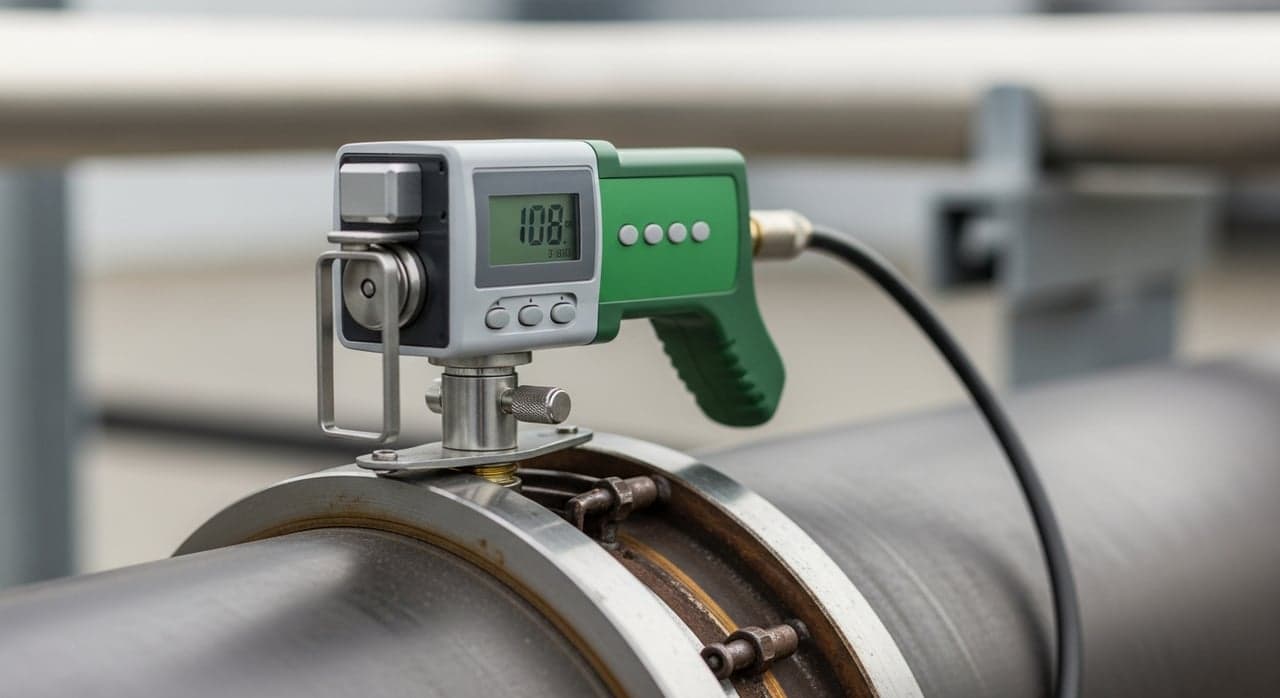
Risk Based Inspection (RBI) Studies workflow
Identify active damage mechanisms per API RP 571 for each equipment item and corrosion loop, document mechanism, material, service combinations including HTHA, CUI, sour service, and fatigue.
Apply API 581 quantitative damage factor models (thinning, ECSCC, HTHA, CUI, brittle fracture, mechanical fatigue) to calculate PoF by equipment and inspection effectiveness category.
Model CoF per API 581 Part 3, flammable, toxic, environmental, and financial impact categories, calculate event outcomes and COF areas.
Plot PoF × CoF on risk matrix, compare against corporate risk criteria, identify high risk equipment driving inspection priority, assign Integrity Operating Windows per API RP 584.
Assign NDE technique (effectiveness category A, E), inspection coverage, target date, and frequency per risk time integral, specify corrosion monitoring and IOW surveillance points.
Issue inspection work orders to CMMS/PIMS, define re baseline triggers (new findings, MOC, damage mechanism update), schedule 5 year RBI re validation cycle per API 580.

Every deliverable from basis to handover
Complete Risk Based Inspection (RBI) Studies scope covering every calculation, drawing, specification, and construction support activity.
Outcomes of Risk Based Inspection (RBI) Studies
- We surface the high consequence corrosion loops that dominate your Tier 1 release potential
- We address the high temperature hydrogen attack, sour service and corrosion under insulation patterns that CSB and HSE major accident reviews identified
- We drive inspection technique selection that actually detects the active damage mechanism
- We anchor your integrity operating window limits with an engineering basis traceable to the damage mechanism
- We use an API 580 and 581 methodology that holds up to audit
- We support the OSHA PSM 1910.119(j) mechanical integrity element
- We provide the API 510, 570 and 653 interval extension justification that authorised inspectors and the authority having jurisdiction recognise
- We make the work withstand underwriter scrutiny for premium driven asset condition due diligence
- We reallocate your inspection spend from low risk equipment to active high consequence damage
- We extend intervals on low probability and low consequence equipment with engineering justification
- We trigger maintenance and turnaround scope on integrity driven priorities
- We support your run, repair or replace decisions with quantitative risk evidence
- We typically reduce inspection cost by 20 to 40 percent against prescriptive time based programmes
- We defer turnaround scope through damage mechanism targeted online inspection
- We help you avoid unplanned outage cost, which typically runs three to ten times higher than planned maintenance
- We document programme rigour for your underwriters to assess
Codes & standards we work to
Triggers that signal the need
Where Risk Based Inspection (RBI) Studies applies
Tangible deliverables
- RBI study report aligned to the API 580 and 581 methodology
- Equipment, circuit and corrosion loop register with the active damage mechanisms
- Probability and consequence of failure calculation pack with risk matrix plotting
- Inspection plan covering technique, coverage, frequency and effectiveness target
- Integrity operating window specification per API RP 584
- Remaining life assessment with a fitness for service readiness flag
- Corrosion under insulation prioritisation register and insulation removal plan
- RBI revalidation schedule and re baseline trigger matrix
- Integration specification for inspection work orders in your CMMS and plant integrity software
Send us the scope
We will scope Risk Based Inspection (RBI) Studies against your site and come back with what it would take. Send us the process conditions, the equipment list and the stage the design has reached.