Chemical Compatibility and Thermal Stability Testing
DSC, ARC, SikaREX, and DIERS grade thermal characterisation that anchors Stoessel criticality and SADT classification
Chemical Compatibility and Thermal
Stability Testing
Thermal stability and chemical compatibility testing form the foundational evidence base for any reactive hazard or storage segregation decision at your facility. Differential Scanning Calorimetry provides milligram scale screening from minus 90 to plus 600 degrees Celsius, identifying exothermic onset, heat of decomposition, and reactive trigger temperatures. Accelerating Rate Calorimetry, including modern variants such as Phi Tec II, ESARC, and Thermal Hazard Technology systems, supplies adiabatic worst case data with Phi correction for vessel class projection and generates Time to Maximum Rate and Self Accelerating Decomposition Temperature per UN MTC Test H. Compatibility testing extends single substance characterisation into binary and matrix combinations and identifies dangerous interactions before they reach your storage facility, which is the discipline that prevents events like the West Fertilizer 2013 escalation of ammonium nitrate with combustible cellulose, the Beirut Port 2020 catastrophe, and the routine warehouse fires driven by unsuspected reactive pairs. Our team integrates the calorimetric data directly into Stoessel criticality classification from Class 1 to 5, into DIERS vent sizing inputs, into UN packing group determination, and into the MOC reviews you run for any new chemical introduction.

How the study is executed
We open at screening calorimetry (dsc) and close at documentation & psi compliance, and each stage hands the next one a record rather than a summary of it.
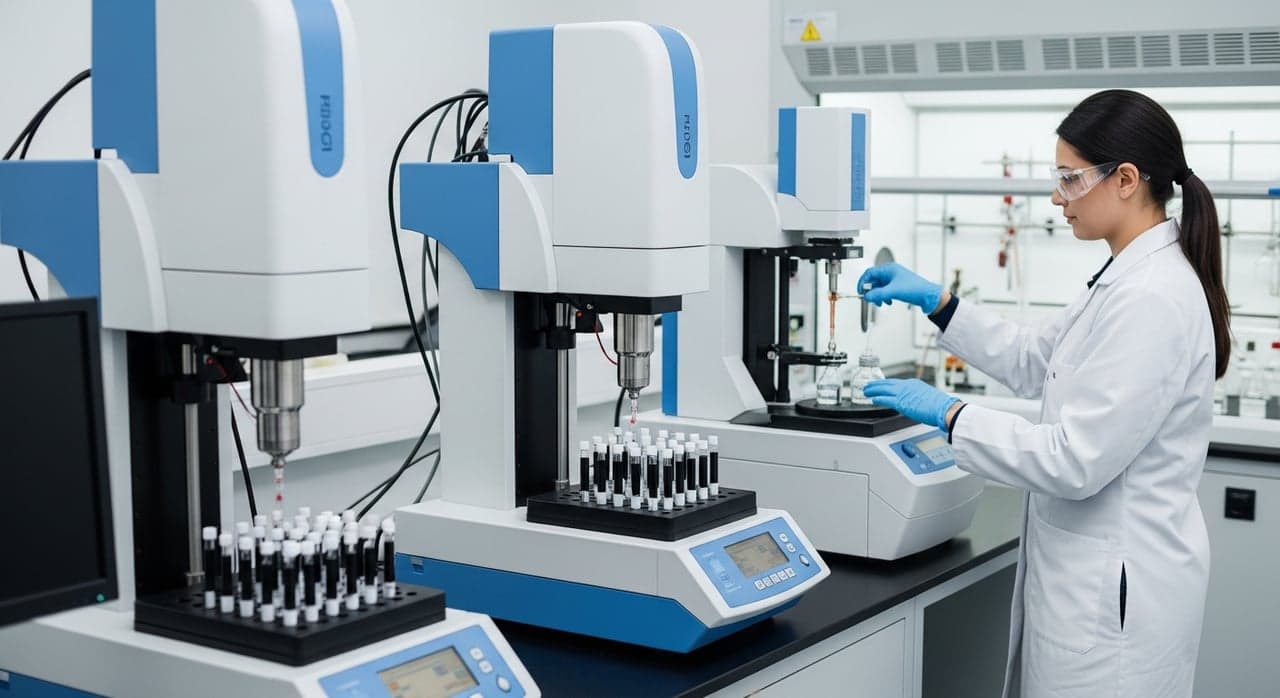
Conduct Differential Scanning Calorimetry per ASTM E537 / E2046, temperature ramp typically 5 to 10°C/min from ambient to 400 to 500°C, identify exothermic onset temperature (To), peak temperature (Tp), and energy release (ΔH).
Conduct adiabatic calorimetry, Accelerating Rate Calorimeter (ARC) or Phi TEC II per ASTM E1981, measure adiabatic onset (To,ad), self heat rate (dT/dt), pressure rise rate (dP/dt), and time to maximum rate (TMRad).
Conduct binary compatibility testing for each material pair (intentional contact or credible mixing scenario) per OSHA PSM / CCPS Reactive Chemicals, identify exothermic onset shift, gas evolution, and runaway potential.
Apply Stoessel scenario classification (Class 1 TMRad >24h, low energy, Class 5 TMRad <8h, high energy with secondary decomposition), align with CCPS Process Safety Beacon and EFCE / IChemE guidance.
Define safe operating window, MTSR < To (onset minus safety margin typically 50°C), specify control philosophy with high temperature trip, emergency cooling, and dilution / drown out, align with HAZOP / LOPA / SIL allocation.
Compile thermal stability report with raw data, classification, and design recommendations, include in OSHA PSM Process Safety Information (1910.119(d)), align with CCPS RBPS Reactive Chemicals Management element.
What the study covers in full
Outcomes of Chemical Compatibility and Thermal Stability Testing
- We prevent the West Fertilizer and Beirut class reactive storage catastrophic events
- We identify dangerous binary and matrix compatibility before warehousing
- We define defensible safe operating and storage envelopes
- We anchor post incident root cause forensic analysis
- We deliver DIERS compliant vent sizing input data
- We provide UN MTC Test H SADT data for transport classification
- We support the CCPS Reactive Chemicals Guidelines and OSHA reactive coverage
- We provide the basis for UN packing group and Class 4.1 and 5.2 classification
- We define storage temperature limits with a clear engineering basis
- We sharpen MOC discipline for new chemical and formulation introductions
- We support DCS and SIS trip setpoint and alarm threshold derivation
- We inform emergency cooling and quench system design
- We help you avoid the catastrophic loss profile of reactive runaway and decomposition events
- We optimise storage temperature so you reduce energy consumption
- We document reactive inventory controls for your insurer to assess
- We support premium pricing on stability validated products
Codes & standards we work to
Triggers that signal the need
Where Chemical Compatibility and Thermal Stability Testing applies
Tangible deliverables
- DSC and ARC test data with kinetic interpretation
- Time to Maximum Rate and heat of decomposition calculation worksheets
- Stoessel criticality class assignment
- SADT determination per UN MTC Test H
- Compatibility matrix for storage and process
- Safe operating and storage envelope definition
- DIERS vent sizing input pack
- UN transport classification supporting data
Send us the scope
We will scope Chemical Compatibility and Thermal Stability Testing against your site and come back with what it would take. Send us the unit, the P&ID revision it sits at and the inventory it holds.