Cause and Effect Matrix Development
We give you a single source of truth for emergency shutdown, fire and gas, and process trip logic
Cause and Effect
Matrix Development
The cause and effect matrix is the single auditable document that defines every emergency shutdown, fire and gas, and process trip in one place, linking each initiating cause to its required effects, voting logic and bypass conditions. An incomplete or incorrect matrix means the configured safety system does not match the design intent, and the SIL claim becomes indefensible. Our team develops cause and effect matrices from your P&IDs, safety requirements specifications and LOPA studies, and we write them to a standard that supports both factory acceptance test configuration and future management of change.
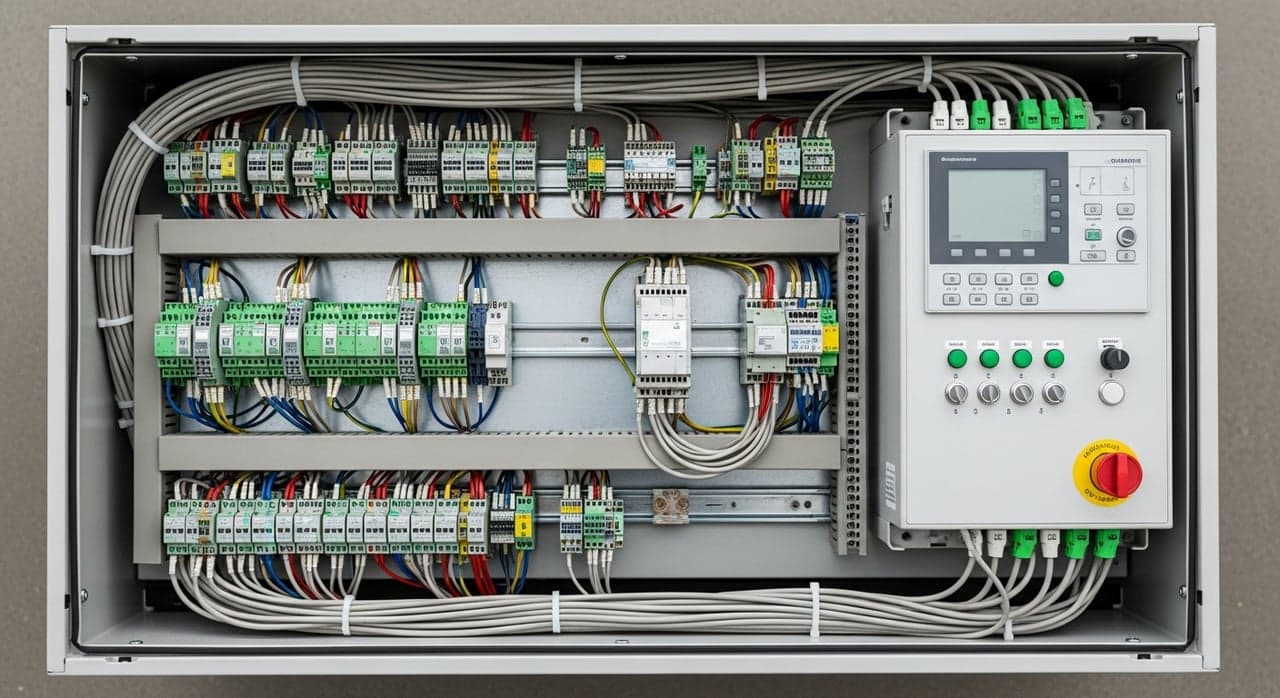
Cause and Effect Matrix Development workflow
Identify all initiating causes, process trips, F&G alarms, manual initiators, and override conditions, from P&IDs and SRS.
Define all shutdown, isolation, depressurisation, blowdown, and alarm effects required for each demand scenario.
Link each cause to its effects, assign voting logic, cross trip groups, and time delay requirements.
Assign SIL target per row from LOPA study, define bypass, inhibit, and impairment management philosophy.
Develop FAT test cases covering every cause effect path, voting combination, and override scenario.
Approve and issue C&E under document control, establish MOC procedure and impact assessment template for future changes.

Every deliverable from basis to handover
Complete Cause and Effect Matrix Development scope covering every calculation, drawing, specification, and construction support activity.
Outcomes of Cause and Effect Matrix Development
- We provide a single auditable source for trip logic
- We strengthen separation between the safety system and the control system
- We support verification of the SIL claim
- We reduce operator response confusion
- We align the matrix with IEC 61511 and API RP 14C
- We document the safety instrumented system basis
- We support ISA 5.2 representation
- We give you documentation that withstands safety system audit
- We tighten factory and site acceptance test coverage
- We improve management of change discipline
- We power credible operator training
- We reduce the time spent troubleshooting trips
- We reduce commissioning rework
- We improve the accuracy of vendor configuration
- We lower spurious trip frequency
- We support safety instrumented system lifecycle management
Codes & standards we work to
Triggers that signal the need
Where Cause and Effect Matrix Development applies
Tangible deliverables
- Cause and effect matrix
- Voting logic specification
- Bypass and inhibit procedure
- Factory and site acceptance test specification
- Management of change framework
- Operator training input
Send us the scope
We will scope Cause and Effect Matrix Development against your site and come back with what it would take. Send us the process conditions, the equipment list and the stage the design has reached.