Static Equipment and Pressure Vessel Engineering
We deliver ASME compliant pressure vessel, heat exchanger and tank engineering from calculation through to code certification
Static Equipment and Pressure
Vessel Engineering
Static equipment failures such as a pressure vessel burst, a heat exchanger tube rupture or a storage tank collapse are among the highest consequence events in the process industries. The primary defence is sound mechanical engineering at the design stage, combined with correct material selection, clear non destructive examination specification and code compliant fabrication oversight. Our team delivers complete static equipment engineering packages to ASME, API, TEMA and PED standards, taking your equipment from wall thickness calculation through witnessed factory inspection to code certification.
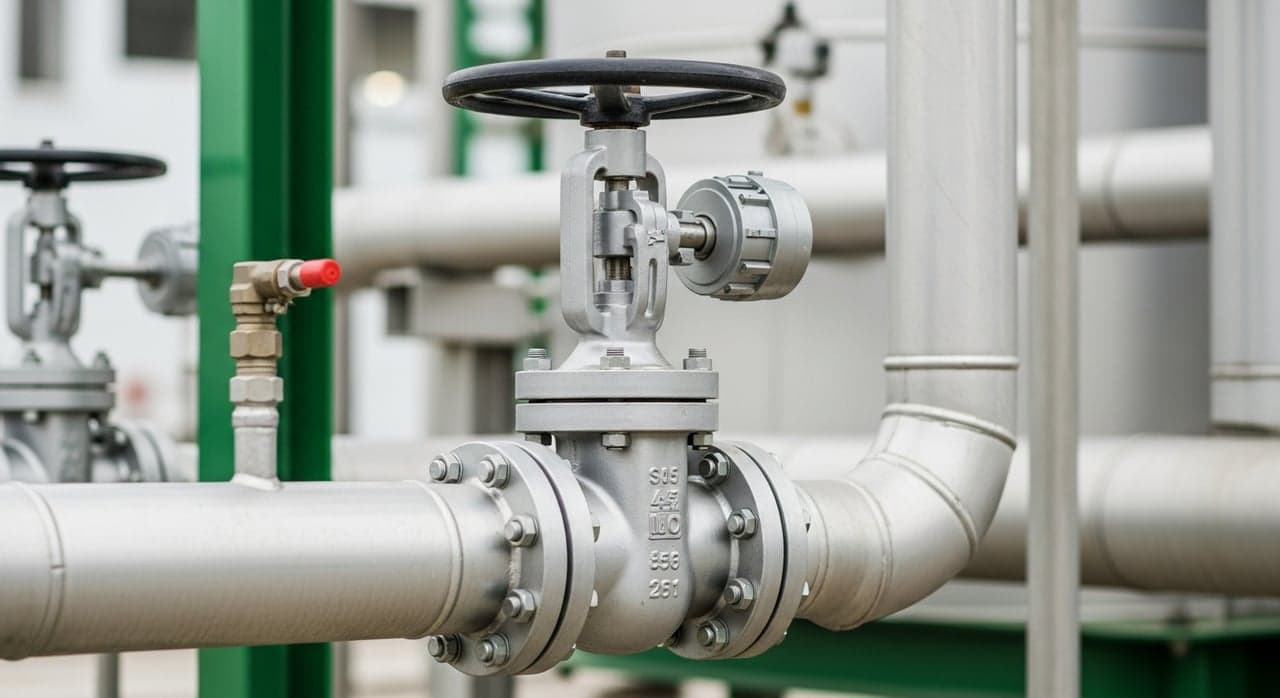
Static Equipment and Pressure Vessel Engineering workflow
Establish MAWP, design temperature, fluid service classification, applicable code, and design life.
Apply ASME Sec VIII Div 1/2, API, or PED equations for wall thickness, nozzle, head, and support design.
Review corrosion service conditions, HIC/SSC susceptibility, temperature limits, and material certification.
Design nozzle reinforcement, lifting lugs, saddles/skirts, specify NDE method, heat treatment, and inspection plan.
Evaluate vendor fabrication drawings, material certificates, and welding procedure qualifications against spec.
Witness hydrostatic/NDE tests, verify code data report, and issue stamped certification or PED declaration.

Every deliverable from basis to handover
Complete Static Equipment and Pressure Vessel Engineering scope covering every calculation, drawing, specification, and construction support activity.
Outcomes of Static Equipment and Pressure Vessel Engineering
- We specify vessels with adequate design margin
- We align the mechanical design with the process duty
- We strengthen material selection for the service conditions
- We support relief and overpressure design
- We conform to ASME, API, TEMA and PED
- We document material certification
- We support notified body inspection
- We produce documentation that withstands client and authority audit
- We lower in service failure frequency
- We support realistic inspection, test and maintenance programmes
- We improve vendor selection
- We strengthen commissioning
- We right size vessel cost against duty
- We reduce lifecycle maintenance
- We improve vendor pricing through clear specification
- We support capital cost optimisation
Codes & standards we work to
Triggers that signal the need
Where Static Equipment and Pressure Vessel Engineering applies
Tangible deliverables
- Vessel datasheet and mechanical design
- Heat exchanger thermal and mechanical design
- Tank design package
- Material selection report
- Nozzle and reinforcement calculation
- Fabrication and inspection plan
Send us the scope
We will scope Static Equipment and Pressure Vessel Engineering against your site and come back with what it would take. Send us the process conditions, the equipment list and the stage the design has reached.