Hazardous and Solid Waste Management
Cradle to grave waste characterisation, minimisation and compliance
Hazardous and Solid
Waste Management
Hazardous waste carries a liability that does not end at the factory gate, because under cradle to grave regimes you as the generator remain accountable for what happens to a waste stream through transport, treatment and final disposal, long after it has left your site. Sound management therefore starts with honest characterisation, the determination that classifies a stream and dictates every lawful handling, storage and disposal route, and it is governed by the waste hierarchy where you prevent and minimise at source first, then reuse, recycle and recover and only then dispose. Our team builds full lifecycle programmes around that logic, covering accurate characterisation, source minimisation, compliant on site storage and segregation, manifested transport to authorised facilities and records that withstand regulator and auditor review, all aligned with India's Hazardous and Other Wastes Rules, the RCRA and Basel transboundary requirements and the circular economy objectives that turn a cost and liability stream into recovered value where we can.
Our implementation model
We fix the standards that apply to your site before we open at waste inventory & classification, and we do not close at reporting & compliance documentation until they are met.
Build waste inventory per source, generation rate, and classification, RCRA hazardous (F / K / P / U list, characteristic, ignitable / corrosive / reactive / toxic), EU EWC / List of Wastes, Basel Convention Annex VIII, align with national hazardous waste rules.
Design waste minimisation per EPA P2 hierarchy / EU Waste Framework Directive 2008/98/EC, source reduction (ISD), recycling, energy recovery, treatment, disposal, quantify reduction targets per corporate sustainability.
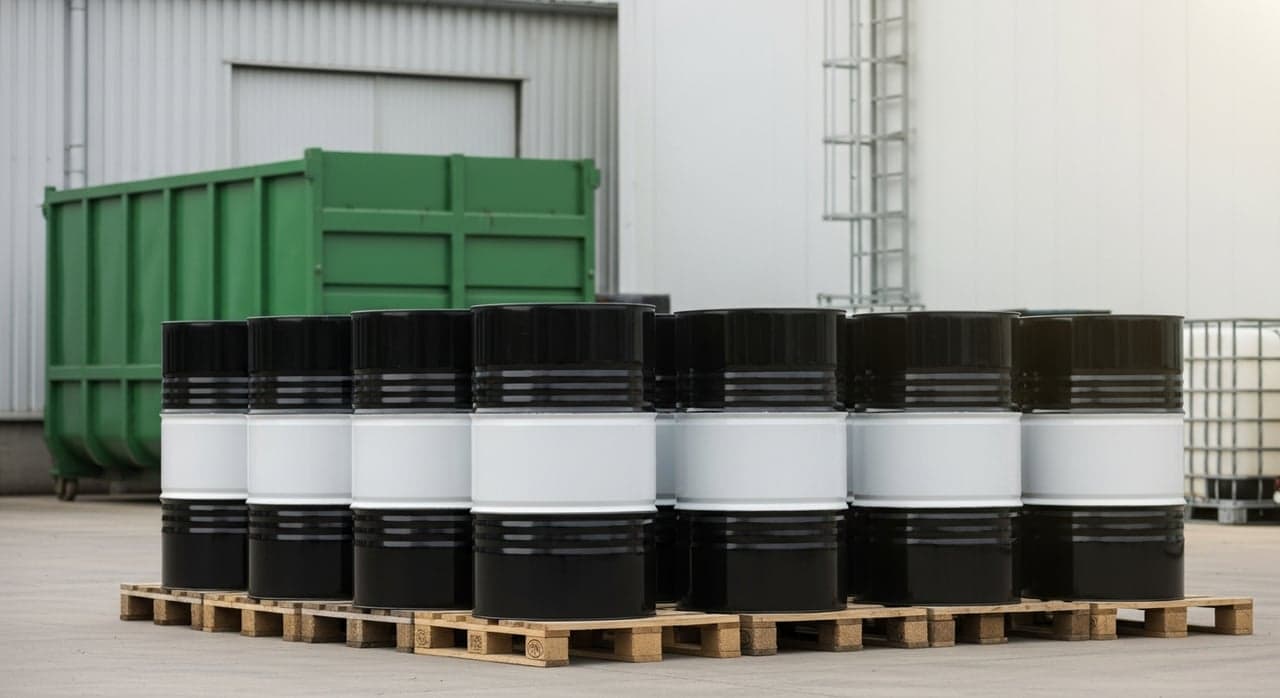
Design on site management per RCRA Part 264/265 / EU IED, containers, tanks, labelling, accumulation start date, weekly inspection, 90/180/270 day accumulation limits, specify treatment per RCRA permit (Part B) or EU IED.
Design transport / manifest system per DOT 49 CFR / RCRA Part 263 / Basel Convention / EU Waste Shipment Regulation, manifest preparation, transporter qualification, designated facility verification.
Specify TSDF (Treatment, Storage, Disposal Facility) selection per RCRA Part 264 / EU IED, audit, permit verification, financial assurance, indemnification, align with corporate vendor management and cradle to grave liability.
Design waste reporting per RCRA Biennial Report / EU EPRTR / national hazardous waste returns, maintain manifest records (3+ years per RCRA), training records, contingency plan, and emergency response procedure per RCRA Part 264 Subpart D.
Hazardous and Solid in full scope
Value of Hazardous and Solid Waste Management
- We reduce accidental release from improper storage
- We protect your workers from waste handling exposure
- We prevent downstream contamination
- We strengthen your spill response capability
- You meet the CPCB, RCRA and Basel requirements
- You support your consent to operate and authorisation renewal
- You document cradle to grave traceability
- You withstand regulator and auditor scrutiny
- We cut waste generation at source
- We improve your storage and handling efficiency
- We tighten oversight of contractors and disposers
- We support circular economy and co processing routes
- We cut disposal and transport cost through minimisation
- We generate revenue from waste to product opportunities
- You hold the manifest and disposal record the rules require
- You give your insurer a documented waste chain to assess
Codes & standards we work to
Triggers that signal the need
Where Hazardous and Solid Waste Management applies
Tangible deliverables
- A waste inventory and characterisation report
- A minimisation and segregation plan
- A storage and handling design review
- A disposer due diligence report
- A manifest and tracking procedure
- A waste KPI dashboard and reporting template
Send us the scope
We will scope Hazardous and Solid Waste Management against your site and come back with what it would take. Tell us the site, the consents it holds and what it is measured against.