Incident Investigation OSHA PSM 1910.119(m)
We investigate every incident with the potential for a catastrophic release within forty eight hours
Incident Investigation OSHA
PSM 1910.119(m)
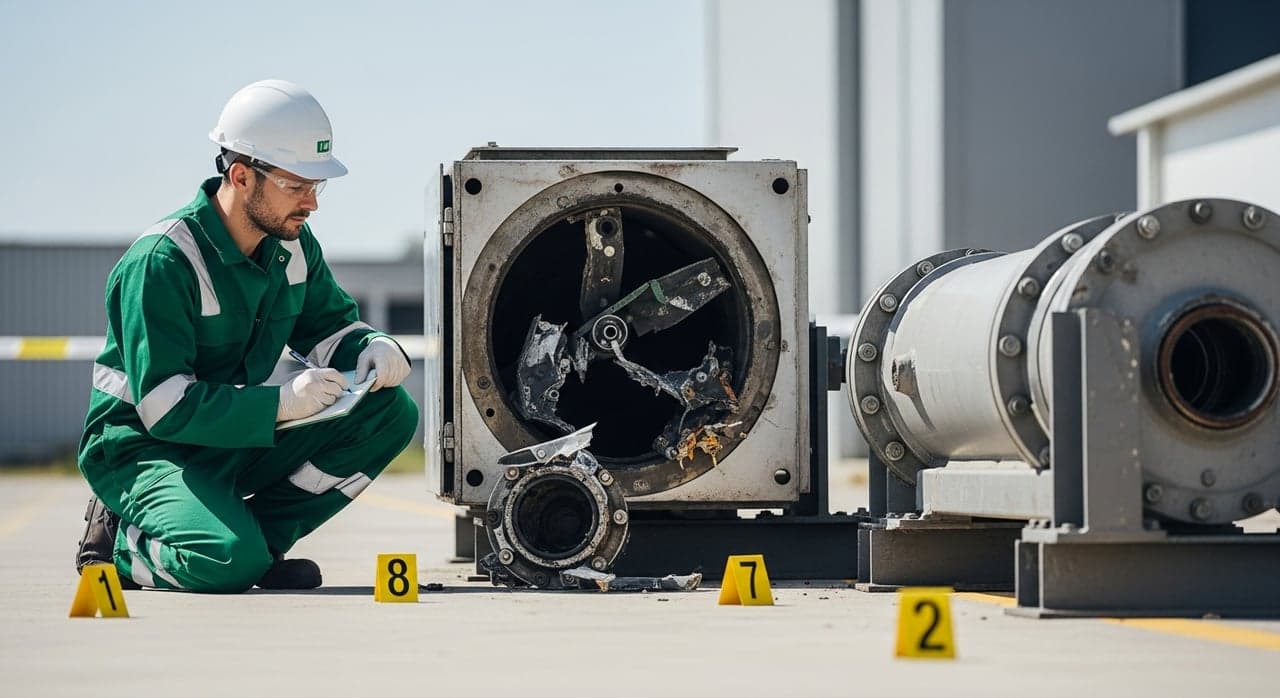
OSHA PSM 1910.119(m) is the element that turns events into lessons, and it requires investigation of each incident that resulted in, or could reasonably have resulted in, a catastrophic release of a highly hazardous chemical. Our team initiates the investigation within forty eight hours as (m)(2) demands, stands up a team under (m)(3) that includes at least one person who knows the process well and, where a contractor was involved, a contractor representative. We prepare the report required under (m)(4), recording the date of the incident, the date the investigation began, a description of what happened, the contributing factors and our recommendations. We make sure the findings and recommendations are addressed under (m)(5) and reviewed with the people they affect, and we retain the reports for five years as (m)(6) requires. We investigate to reach the real causes, not to close out on operator error.
How the study is executed
A structured, facilitated process that runs from scope definition through close out and produces defensible, actionable outputs.
Per (m)(1), define trigger, actual or potential catastrophic release, align with corporate threshold and reporting matrix.
Per (m)(2), initiate investigation within 48 hours, preserve evidence chain, secure DCS / historian / CCTV data.
Per (m)(3), multidisciplinary team including process knowledgeable person, contractor representation where applicable, align with just culture.
Per (m)(4), apply RCA method (TapRoot, Apollo, Causal Tree), document contributing factors and recommendations, reach latent causes.
Per (m)(5), address findings with corrective action, review with affected personnel, integrate with operator training.
Per (m)(6), retain reports for 5 years, integrate with corporate lessons learned and API RP 754 PSE indicators.

What the study covers in full
Outcomes of Incident Investigation OSHA PSM 1910.119(m)
- Reaches the latent causes rather than stopping at operator error
- A just culture that brings honest reporting into the open
- Recurrence prevented through actions we verify are complete
- Lessons shared across your sites
- A documented record that defends your position under OSHA 1910.119(m)
- Coverage that maps to CCPS RBPS Element 17
- Cause analysis aligned with IEC 62740
- Conformance with the incident reporting requirements of Factories Act Section 88
- A rising volume of near miss reporting
- Tighter integration with change management
- Stronger operator engagement
- Improvement in your process safety event metrics under API RP 754
- Avoidance of repeat incident cost
- A defensible record your insurer can rely on
- Greater confidence from your regulator
- Cost avoided across your wider site network
Codes & standards we work to
Triggers that signal the need
Where Incident Investigation OSHA PSM 1910.119(m) applies
Wellheads, separators, gas compression, FPSO topsides, produced water systems.
Distillation columns, reactors, heat exchangers, storage spheres, LPG handling.
Cryogenic exchangers, liquefaction trains, BOG compressors, storage and sendout.
Reactive systems, batch reactors, solvent handling, runaway reaction scenarios.
Boilers, HRSGs, steam headers, hydrogen systems, ammonia SCR units.
Sterile vessels, CIP/SIP, pressure fermenters, solvent recovery, spray dryers.
Tangible deliverables
- An investigation procedure with a forty eight hour trigger
- Guidance for selecting the right root cause analysis method
- Just culture facilitation training
- A corrective action tracking database
- A lessons learned sharing protocol
- A five year retention procedure
Ready to start your project?
Speak with our team to scope an engagement tailored to your facility, regulatory context, and lifecycle stage.