Management of Change (RBPS Element 13)
Governance of engineering, organisational and procedural change with PHA, SIL and fire and explosion triggers
Management of Change
(RBPS Element 13)
Management of Change is the gatekeeper that stops uncontrolled modifications from collapsing your risk control framework. The element maps to OSHA PSM 1910.119(l) and covers any change to chemicals, technology, equipment, procedures, organisation or operating conditions, with the single exception of replacement in kind. What separates good management of change from poor is rigour. Every change is reviewed against its implications for the PHA, the safety integrity level allocation and the fire and explosion assessment, approval comes before implementation, a pre startup safety review comes before commissioning and training comes before operation. Almost every CSB major incident report our team reads carries a management of change failure in the root cause, and Bhopal, Texas City, Flixborough and BP Macondo each trace back to changes that bypassed this discipline.
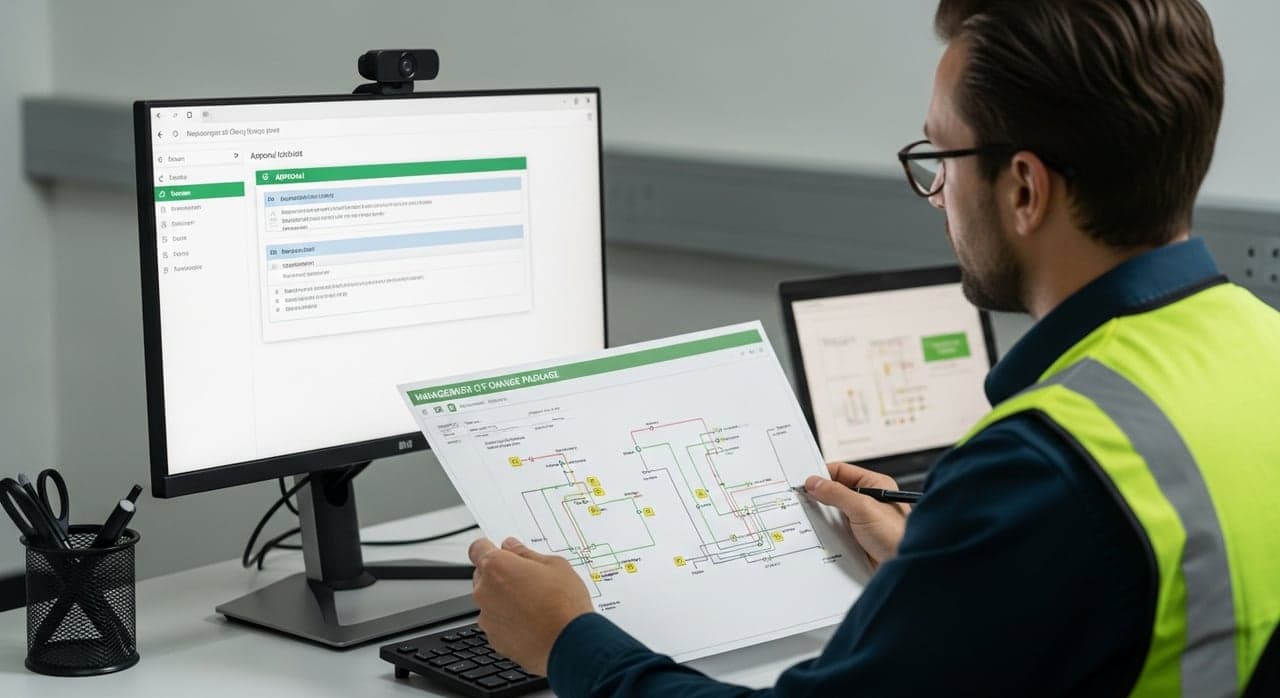
How the study is executed
A structured, facilitated process that runs from scope definition through close out and produces defensible, actionable outputs.
We define the boundary between a change that is eligible for management of change and a replacement in kind, cover chemical, technology, equipment, procedural and organisational change and align it with CCPS and OSHA guidance.
For each change type we specify the mandatory re review of the PHA, the safety integrity level, the fire and explosion assessment, the area classification and the pre startup safety review and integrate it with an electronic system such as SAP, Maximo or Sphera.
We define the change initiator, the technical reviewer, the area approver and the area authority signoff, align them with the risk tier and specify the authorisation cycle time.
We run the pre startup safety review to OSHA PSM (i), confirming that design and construction match, training is complete, procedures are updated and PHA actions are closed.
We track the change backlog, set a cycle time KPI, signal close out to engineering and operations and integrate it with corporate HSE governance.
We run a monthly change quality audit and a root cause review of change failures and integrate the lessons learned from incidents.

What the study covers in full
Outcomes of Management of Change (RBPS Element 13)
- Catches the quiet change patterns that drove Bhopal and Texas City
- PHA actions travel from worksheet through to verified implementation
- Safety integrity and fire and explosion implications captured before commissioning
- The pre startup safety review closes the gap from construction to operation
- Evidence that withstands an OSHA PSM (l) audit
- CCPS RBPS Element 13 evidence
- ISO 45001 Cl.8.1.3 change satisfied
- The Factories Act 41B procedural requirements met
- Less commissioning rework
- Better close out of PHA actions
- Sharper depth in engineering review
- Backlog visible to leadership
- A major incident from uncontrolled change avoided
- Less retrofit after startup
- A strong position with insurers through change quality
- Engineering productivity through a clear process
Codes & standards we work to
Triggers that signal the need
Where Management of Change (RBPS Element 13) applies
Wellheads, separators, gas compression, FPSO topsides, produced water systems.
Distillation columns, reactors, heat exchangers, storage spheres, LPG handling.
Cryogenic exchangers, liquefaction trains, BOG compressors, storage and sendout.
Reactive systems, batch reactors, solvent handling, runaway reaction scenarios.
Boilers, HRSGs, steam headers, hydrogen systems, ammonia SCR units.
Sterile vessels, CIP/SIP, pressure fermenters, solvent recovery, spray dryers.
Tangible deliverables
- A management of change scope definition and procedure
- A review trigger matrix for each change type
- Implementation of an electronic management of change system
- Pre startup safety review gate criteria to OSHA PSM (i)
- A backlog tracking dashboard
- An audit programme with a monthly quality review
Ready to start your project?
Speak with our team to scope an engagement tailored to your facility, regulatory context, and lifecycle stage.