Incident Investigation and RCA Workshops
We teach the TapRooT, Why Tree, Apollo and TRIPOD investigation methodologies
Incident Investigation and RCA
Workshops
Most incident investigations fail not for lack of a method but because they stop at the operator. The proximate human error is recorded, a retraining action is raised, and the latent organisational conditions that made the error inevitable survive untouched, only to surface again in the next event. This workshop builds the investigator discipline to push past proximate cause into systemic and latent failure, using the structured logic of TapRooT, Apollo, Why Tree and TRIPOD Beta. Participants work real cases end to end, covering evidence preservation, timeline and causal factor construction, root cause coding and corrective actions written to prevent recurrence rather than apportion blame, all anchored in the CCPS process safety incident investigation framework and a just culture footing.
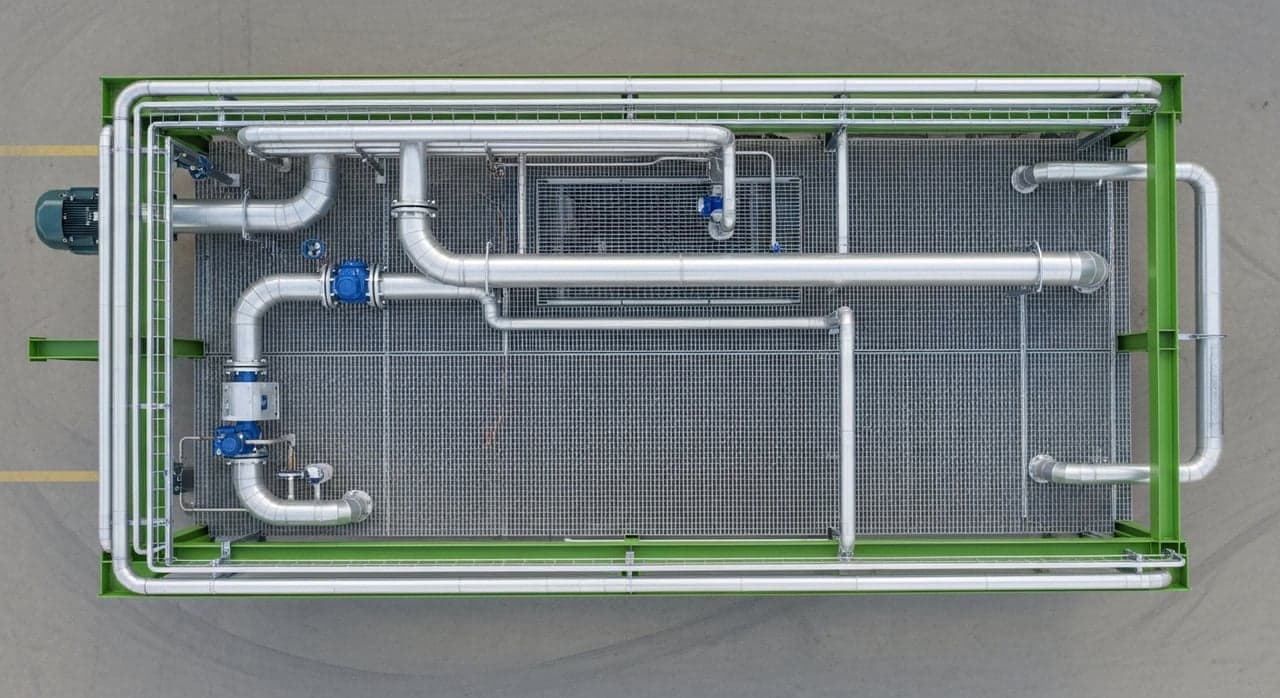
How the programme is delivered
A structured learning journey from needs analysis through competency verification and ongoing coaching.
Define investigator competency per CCPS / OSHA PSM / IEC 62740, Lead Investigator (RCA methodology, team leadership), Investigator (evidence collection, interview), Subject Matter Expert (technical analysis), align with corporate incident investigation procedure.
Train multiple RCA methods, TapRoot, Apollo, 5 Why / Causal Tree, ECFC (Events and Causal Factors Chart), MORT (Management Oversight & Risk Tree), align with CCPS Guidelines and IEC 62740 cause analysis.
Train evidence collection, site preservation (chain of custody), physical evidence (failed component, residue), digital evidence (DCS historian, CCTV, electronic records), witness statement, align with IEC 62740 / ASTM E2659.
Train interview technique per cognitive interview / PEACE model, open questioning, active listening, non judgemental tone, apply just culture per James Reason, distinguish error / at risk / reckless, align with corporate just culture policy.
Train report authoring, executive summary, evidence pack, causal analysis, corrective actions, lessons learned, specify action tracking via MOC / corrective action database, align with CCPS RBPS Incident Investigation.
Train on programme effectiveness, investigation quality KPI, lessons learned dissemination across sites, near miss reporting culture, align with API RP 754 PSE indicators and corporate HSE governance.
What participants learn and practise
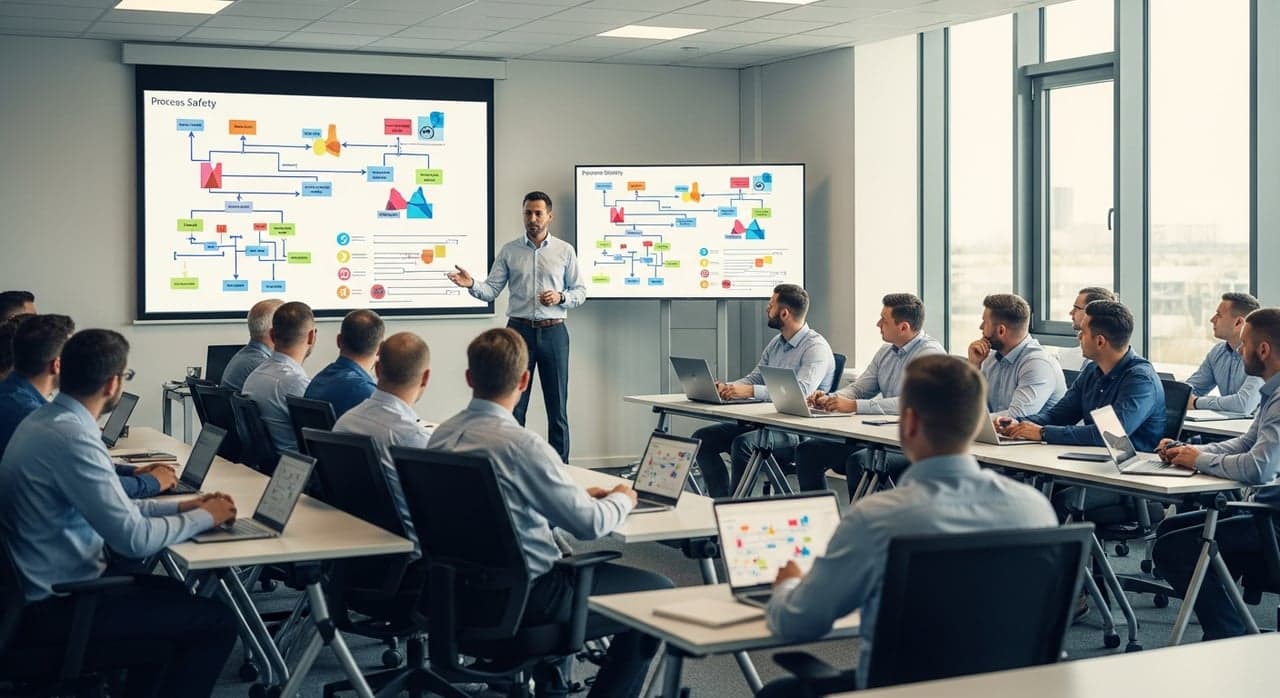
Outcomes of Incident Investigation and RCA Workshops
- We identify the true root causes that prevent recurrence
- We build out a learning organisation
- We reduce incident frequency
- We build systematic investigation discipline
- We maintain compliance with the CCPS RBPS investigation element
- We support OSHA PSM incident investigation
- We document the investigation for the regulator
- We produce work that withstands prosecutor scrutiny
- We strengthen cross function learning
- We improve the quality of recommendations
- We reduce repeat incidents
- We build investigator credibility
- We help you avoid the cost of repeat incidents
- We reduce exposure to regulator penalties
- We support the insurance dialogue
- We reinforce customer and investor trust
Codes & standards we work to
Triggers that signal the need
Where Incident Investigation and RCA Workshops applies
Wellheads, separators, gas compression, FPSO topsides, produced water systems.
Distillation columns, reactors, heat exchangers, storage spheres, LPG handling.
Cryogenic exchangers, liquefaction trains, BOG compressors, storage and sendout.
Reactive systems, batch reactors, solvent handling, runaway reaction scenarios.
Boilers, HRSGs, steam headers, hydrogen systems, ammonia SCR units.
Sterile vessels, CIP/SIP, pressure fermenters, solvent recovery, spray dryers.
Tangible deliverables
- Methodology selection guidance
- Investigation training materials
- Real case workshop library
- Investigator competency matrix
- Recommendation tracking framework
- Learning communication template
Ready to start your project?
Speak with our team to scope an engagement tailored to your facility, regulatory context, and lifecycle stage.