Process Optimisation
We push your processes toward their real thermodynamic and equipment limits using simulation, designed experiments and advanced control
Process
Optimisation
Most continuous processes leave yield, energy and throughput on the table simply because they are run conservatively. Our team uses process simulation, together with Design of Experiments and advanced process control through model predictive control, real time optimisation and soft sensors, to push your process toward its true thermodynamic and equipment limits across yield, conversion, selectivity, energy intensity and throughput. We integrate the result with your integrity operating windows in line with API RP 584 so the optimisation holds up in day to day operations.

Our implementation model
We fix the standards that apply to your site before we open at process performance baseline, and we do not close at sustainment until they are met.
Quantify current process performance, yield, conversion, selectivity, energy intensity, throughput, quality, vs theoretical maximum.
Identify constraints (thermodynamic, equipment, control) and optimisation opportunities through process simulation and Pareto analysis.
Use process simulation and Design of Experiments to model interventions and quantify potential gains.
Deploy APC strategies, MPC, RTO, soft sensors, where step change improvement requires, integrate with DCS.
Pilot optimised settings under controlled conditions, statistically validate improvement, integrate into operating procedures.
Operator training, monitoring discipline, monthly performance review, integrate optimised setpoints into IOW per API RP 584.
Process in full scope
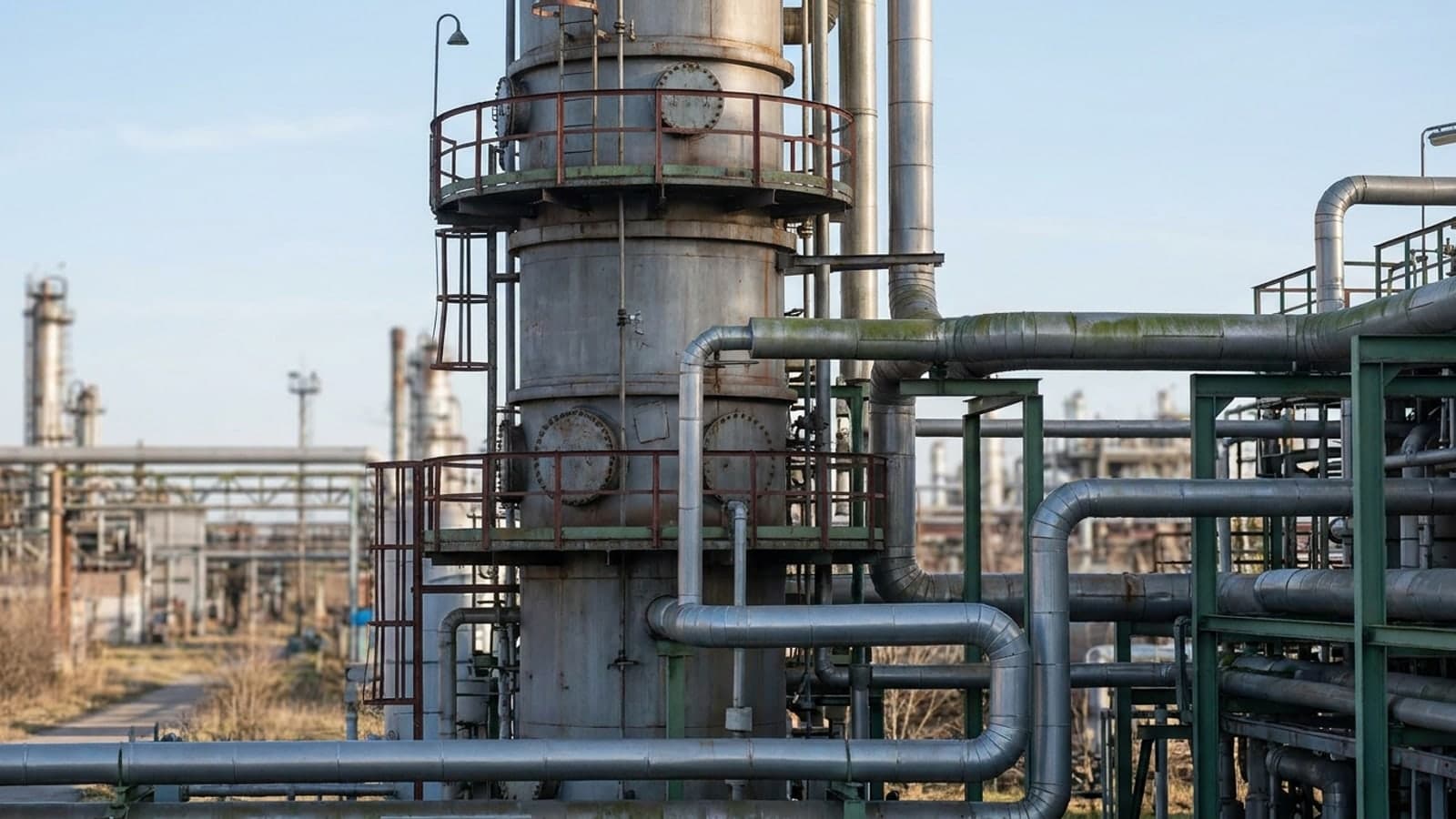
Value of Process Optimisation
- Advanced process control reduces manual operator intervention
- Stable setpoints mean fewer process upsets
- Integrity operating window limits keep optimisation from becoming too aggressive
- Soft sensors give early warning of deviation
- Integration with your integrity operating window programme under API RP 584
- Alignment with ISA 95 manufacturing operations
- Process change records you can defend confidently in any review
- Patent and intellectual property protected through disciplined simulation
- Yield typically rises by 3 to 8 percent
- Energy intensity typically falls by 5 to 15 percent
- Throughput rises on the same footprint
- Quality improves through reduced variation
- Margin improves directly
- Energy cost falls
- You avoid spending capital on extra capacity
- Working capital is used more efficiently
Codes & standards we work to
Triggers that signal the need
Where Process Optimisation applies
Tangible deliverables
- Process baseline and gap analysis
- Process simulation model
- Designed experiment plan and results
- Advanced process control strategy specification
- Pilot validation report
- Operating instructions integrated with your integrity operating windows
Send us the scope
We will scope Process Optimisation against your site and come back with what it would take. Tell us where the process is losing time, yield or margin.